Royal Ontario Museum
The Royal Ontario Museum (ROM) is Canada's largest museum and a premier institution of art, world culture, and natural history located in Toronto. Established in 1912 and opened to the public in 1914, it holds a collection of more than 18 million objects across 40 galleries, ranging from dinosaur fossils and Egyptian mummies to contemporary art and design. As Canada's most-visited museum, attracting over one million visitors annually, it serves as a vital centre for public education, scientific research, and cultural preservation. Its architectural presence, blending historic heritage buildings with the modern Michael Lee-Chin Crystal, makes it a landmark in the University of Toronto district.
History and Development
The Royal Ontario Museum was formally established by the Government of Ontario and the University of Toronto on 16 April 1912. Its initial collections were transferred from the University of Toronto and the Ontario Department of Education, originating from the earlier Museum of Natural History and Fine Arts. The Duke of Connaught, then Governor General of Canada, officially opened the museum at its Bloor Street West location on 19 March 1914. The original building, constructed at a cost of 400,000 dollars, was situated near the University of Toronto's St. George campus and housed five separate museums dedicated to archaeology, palaeontology, mineralogy, zoology, and geology. The first major expansion was the east wing facing Queen's Park, which opened on 12 October 1933 at a cost of 1.8 million dollars and was built with local materials and manual labour during the Great Depression.
In 1947, the museum's assets were fully transferred to the University of Toronto, where it remained until 1968. That year, the ROM was reincorporated as an independent Crown agency of the Ontario government, alongside the newly opened McLaughlin Planetarium. A second major addition, the Queen Elizabeth II Terrace Galleries and an accompanying curatorial centre, was constructed between 1978 and 1984 at a cost of 55 million dollars and was opened by Queen Elizabeth II. The museum closed the McLaughlin Planetarium in 1995 due to provincial budget cuts. The planetarium building was later leased and eventually sold to the University of Toronto in 2009, with demolition of the superstructure beginning in early 2026 to make way for university facilities including the School of Cities.
The most significant modern project in the museum's history was the Renaissance ROM initiative, launched in 2002. Supported by 60 million dollars from the federal and provincial governments and a 30 million dollar donation from Michael Lee-Chin, the project aimed to dramatically increase annual attendance. Its central feature was the Michael Lee-Chin Crystal, a deconstructivist structure designed by architect Daniel Libeskind. The renovated historic galleries opened in December 2005, and the Crystal's architectural opening was held on 2 June 2007, with the final project cost reaching approximately 270 million dollars. From 2024 into 2026, the museum undertook further renovations to the Crystal to address architectural deficiencies and enhance visitor spaces, including an expanded skylight and a rebuilt entrance plaza.
Architecture and Buildings
The ROM's architectural complex is a layering of distinct styles and periods, reflecting over a century of expansion. The original 1914 building, designed by architects Frank Darling and John A. Pearson, is a synthesis of Italianate and Neo-Romanesque styles, featuring rounded arches, decorative brackets, and quoins. It was listed on Toronto's Municipal Heritage Register in 1973 and received heritage designation under the Ontario Heritage Act in 2003. The 1933 eastern wing, designed by Alfred H. Chapman and James Oxley, introduced an elaborate Art Deco and Byzantine-inspired rotunda with a gold glass mosaic ceiling. The restoration of these heritage wings in 2005 was the largest heritage project of its kind in Canada, uncovering original windows and restoring gallery spaces.
The curatorial centre, completed in 1984 on the south side of the museum, was designed by Gene Kinoshita with Mathers & Haldenby in a modernist style of concrete and glass. It was renamed the Louise Hawley Stone Curatorial Centre in 2006 following a major bequest. The most visually striking element is the Michael Lee-Chin Crystal, which replaced the northern Terrace Galleries. The Crystal's structure consists of five interlocking, prismatic forms clad in 25 percent glass and 75 percent aluminum on a steel frame. Its engineering was highly complex, with the cladding fabricated by a specialist company in Germany. The design provoked significant public debate upon its opening, with critics divided over its angular, deconstructivist aesthetic.
Notable interior spaces within the Michael Lee-Chin Crystal include the three-storey high atrium named the Hyacinth Gloria Chen Crystal Court. This main lobby is overlooked by balconies and flanked by the J. P. Driscoll Family Stair of Wonders. Another key space is the Spirit House, an interstitial area formed by the intersection of the east and west crystals. Shortly after its 2007 opening, the Crystal was reported to have suffered from significant water leakage. These issues were later addressed in renovation projects, such as those undertaken in 2024 to correct architectural deficiencies while respecting the original design.
Collections and Galleries
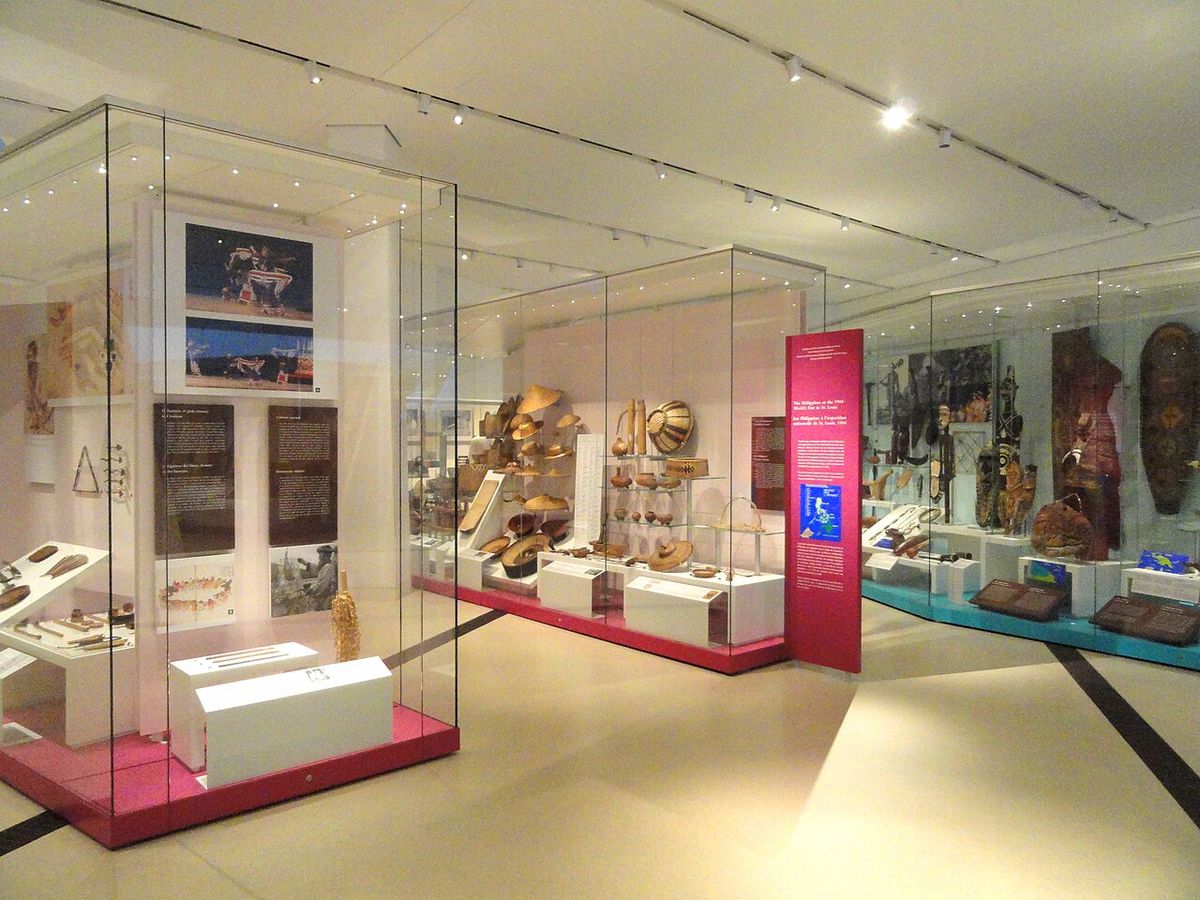
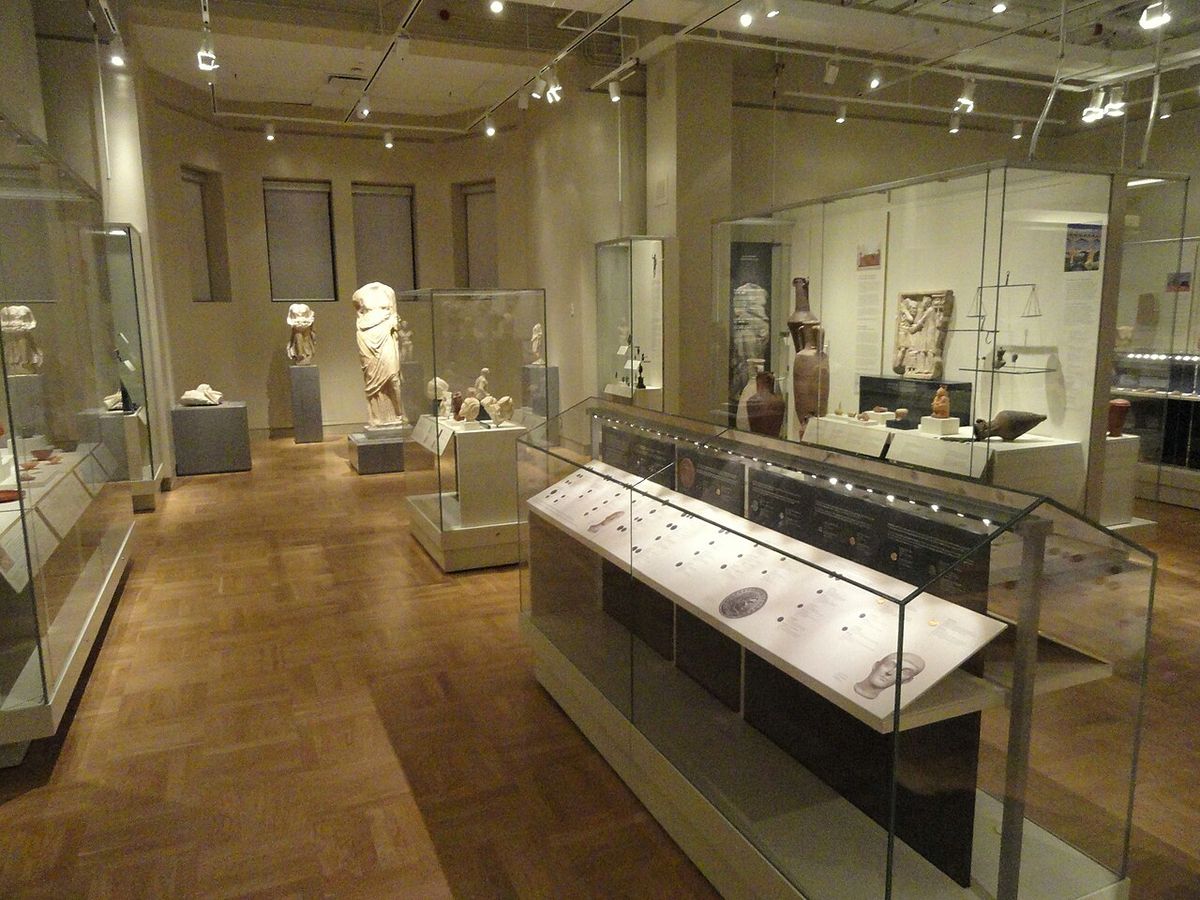
The Royal Ontario Museum's vast holdings of over 18 million items are organized into 40 gallery and exhibition spaces, encompassing world cultures, natural history, and art. The collections are internationally renowned for their depth and diversity, serving both public display and scholarly research. The museum is Canada's largest field-research institution, with active conservation and research projects conducted worldwide. Its galleries have evolved significantly from their early 20th-century origins, where specimens were displayed in static, taxonomic rows, to the dynamic, interpretive environments of today.
The natural history collections are particularly strong, featuring the world's largest collection of fossils from the Burgess Shale in British Columbia, with more than 150,000 specimens. The dinosaur galleries, first established in a more dynamic format in the 1960s, present skeletons in active poses against contextual landscapes. Other notable natural history exhibits include The Bat Cave, an immersive installation that uses sound and light to simulate a cave environment, and galleries displaying extensive mineral, meteorite, and gem collections. The museum also holds over 6 million cultural relics from all continents, including significant holdings of African, Near Eastern, and East Asian art and artifacts.
The ROM's art and design collections are extensive, with a major focus on Art Deco works, including clothing, interior, and product design. The galleries dedicated to world cultures feature well-known artifacts such as Egyptian mummies, Chinese temple art, and Canadian historical objects. The museum regularly hosts major temporary exhibitions in Canada's largest museum-based temporary exhibition hall, located within the Crystal. Recent and upcoming exhibitions highlighted in 2026 include "Wildlife Photographer of the Year" and "This Land," an exhibition exploring the Group of Seven. The galleries provide a comprehensive view of human creativity and the natural world through these diverse collections.
- World Cultures: Egyptian mummies, Chinese temple art, Indigenous Canadian artifacts.
- Natural History: Burgess Shale fossils, dinosaur skeletons, mineral and meteorite collections.
- Art and Design: Major Art Deco collection, contemporary sculpture, European historical artifacts.
- Featured Exhibits: The Bat Cave immersive experience, dinosaur dynamic galleries, rotating international exhibitions.
Public Programs and Visitor Experience
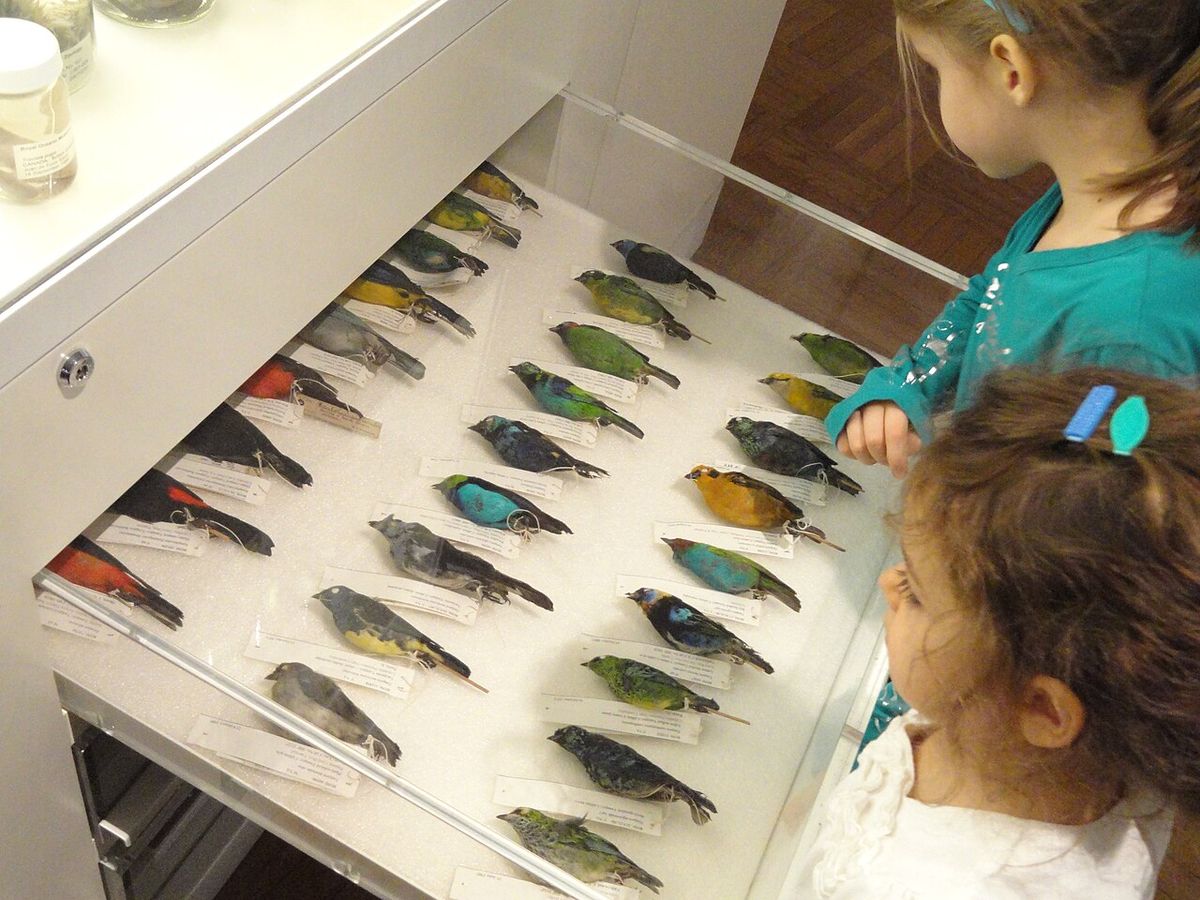
The ROM offers a wide array of public programs designed to engage visitors of all ages and backgrounds. Educational initiatives are a fundamental part of its mission, with specific programming for Ontario school groups from ages 4 to 18, including curriculum-linked visits and resources. The museum provides free admission for children aged 4 to 17 during the summer months, from 19 June to 7 September in 2026, and on specific free days like 21 July and 18 August 2026. For younger children, the WonderWorks space offers play-based learning with interactive props and prompts. Hands-on experiences are available throughout the museum, allowing visitors to touch items like a shark jaw, snakeskin, and various minerals, which enhances learning and engagement for families.
Adult programming includes the popular ROM After Dark event, held monthly, which transforms the museum with curated music, pop-up performances, and themed food and drinks. The museum also facilitates themed scavenger hunts and private tours for a more personalized exploration. Visitor services are extensive, with amenities including multiple dining options, though the C5 restaurant lounge remains closed as of 2026, and the ROM Boutique selling artisanal and exhibition-themed goods. The museum promotes access through partnerships like the Toronto CityPASS, which offers discounted admission to multiple attractions, and its own Plan Ahead Pricing system, where tickets are cheaper when purchased further in advance.
The ROM is committed to Indigenous initiatives, which include dedicated school visits, gallery activations, community engagement events, and ongoing repatriation work. Special events are held for occasions like National Aboriginal Peoples Day and Canada Day, with free admission and programming. The museum is open seven days a week and is directly served by the TTC's Museum subway station, which is decorated to reflect the ROM's collections. Limited paid parking is available nearby in facilities like the Yorkville Village and Cumberland Parkade, providing options for visitors arriving by car.
Accessibility and Facilities
The Royal Ontario Museum has implemented numerous features to ensure access for all visitors. The main entrance on Bloor Street and other key access points are equipped with power-assisted doors to ease entry. A designated passenger drop-off and pick-up area is maintained near an accessible entrance, with requirements for it to be kept clear of obstructions like snow and ice. Within the building, elevators with tactile buttons and adequate space provide independent access to all public levels for visitors using mobility aids. For moving between different levels, the museum provides ramps and a stair lift for use on staircases.
Accessible seating with clear sightlines is available in all event and gallery areas, ensuring those using mobility devices can participate fully. Dining facilities, including cafeterias, are designed to be accessible, featuring removable chairs for adequate knee clearance, reachable counters, and menus available in alternate formats. The museum's commitment to accessibility extends to its programming, with resources and services designed to accommodate visitors with varying disabilities. These comprehensive measures ensure the museum's world-class collections and experiences are available to the broadest possible audience.
Governance and Funding
The Royal Ontario Museum operates as an independent Crown agency of the Government of Ontario. It was under the direct control of the University of Toronto from its founding until 1968, when it was reincorporated as a separate entity alongside the McLaughlin Planetarium. This change in governance gave the museum greater autonomy while maintaining its close academic ties with the university. The museum's funding model relies on government support, private donations, and earned revenue from admissions, memberships, and facility rentals.
Major capital projects have historically been funded through a combination of public and private sources. The 1984 Terrace Galleries expansion cost 55 million dollars, while the Renaissance ROM project, culminating in the Michael Lee-Chin Crystal, had a final cost of approximately 270 million dollars. Significant private donations have shaped the institution, including the 30 million dollar gift from Michael Lee-Chin for the Crystal and the 49.7 million dollar bequest from Louise Hawley Stone that supports the curatorial centre and acquisitions. The museum also generates revenue through its membership program, which offers benefits and discounts, and commercial operations like the ROM Boutique, contributing to its financial sustainability.
| Major Expansion/Project | Completion Year | Approximate Cost | Key Features |
|---|---|---|---|
| Original Building | 1914 | $400,000 | Italianate/Neo-Romanesque style, five original museums |
| East Wing | 1933 | $1.8 million | Art Deco rotunda, new main entrance on Queen's Park |
| Queen Elizabeth II Terrace Galleries & Curatorial Centre | 1984 | $55 million | Terraced design, modernist curatorial centre |
| Renaissance ROM (Michael Lee-Chin Crystal) | 2007 | $270 million | Deconstructivist crystal design, new galleries and atrium |
Questions about Royal Ontario Museum
What are the Royal Ontario Museum's opening hours and ticket prices?
The Royal Ontario Museum is open seven days a week throughout the year, including all summer long. The museum uses a Plan Ahead Pricing system, where tickets are less expensive the further in advance they are purchased. Visitors can save on admission by purchasing a Toronto CityPASS, which provides access to the ROM and five other top Toronto attractions. Special free admission periods are offered, such as for children aged 4 to 17 from 19 June to 7 September 2026, and on specific free days including 21 July and 18 August 2026.
How do I get to the Royal Ontario Museum using public transit?
The ROM is centrally located in Toronto and is exceptionally well-served by public transit. The Toronto Transit Commission's Museum subway station is named after the museum and is decorated with motifs from its collections. The station's northwestern entrance provides direct access to the museum. The museum is also accessible via other TTC routes and GO Transit services. For those driving, limited paid parking is available in nearby facilities such as the Yorkville Village and the Cumberland Parkade.
What are the must-see exhibits at the ROM?
Must-see exhibits include the world-class dinosaur galleries, which feature skeletons in dynamic poses, and The Bat Cave, an immersive sensory experience. The museum houses the world's largest collection of fossils from the Burgess Shale, a spectacular display of minerals and gems, and renowned collections of Egyptian mummies and Chinese temple art. The ROM also hosts major temporary exhibitions. In 2026, these include "Wildlife Photographer of the Year" and "This Land," an exhibition on the Group of Seven. The Michael Lee-Chin Crystal building itself is a major architectural attraction.
Does the ROM offer programs for children and families?
Yes, the ROM offers extensive programming for children and families. WonderWorks is a dedicated play-based learning space for young children with interactive props. The museum frequently offers hands-on exhibits where kids can touch items like a shark jaw and snakeskin. Special family-friendly events and themed scavenger hunts are available. During the summer of 2026, children aged 4 to 17 receive free general admission, and the museum hosts special activities for Canada Day and other holidays, making it an affordable and engaging destination for families.
What accessibility features does the Royal Ontario Museum have?
The ROM is equipped with comprehensive accessibility features. These include power-assisted doors at main entrances, a designated accessible drop-off area, and elevators with tactile buttons throughout the building. Ramps and a stair lift provide access between levels. Accessible seating is available in all galleries and event spaces, and dining facilities are designed with removable chairs and reachable counters. The museum provides detailed accessibility information on its website to help visitors plan their visit according to their needs.
Can I host a private event or wedding at the Royal Ontario Museum?
The Royal Ontario Museum is a popular venue for private events, including weddings, corporate functions, and galas. The unique architectural spaces, particularly the historic Rotunda and the modern Crystal Court atrium, provide dramatic backdrops for events. The museum offers various rental packages and works with external caterers. Those interested in hosting an event should contact the museum's venue rental department directly for information on availability, pricing, and specific guidelines for use of the spaces.
Sources and further reading
- Royal Ontario Museum (Wikipedia)
- Royal Ontario Museum (rom.on.ca)
- Visit Royal Ontario Museum in Toronto (destinationontario.com)
Checked by the Novello Desserts desk. Last updated 2026-10-25.