Canadian journalists reflect on covering 9/11: Triumphs, regrets and lasting lessons
Twenty-five years after 9/11, prominent Canadian journalists share their experiences covering the attacks and how newsroom decisions shaped public understanding of the historic events.
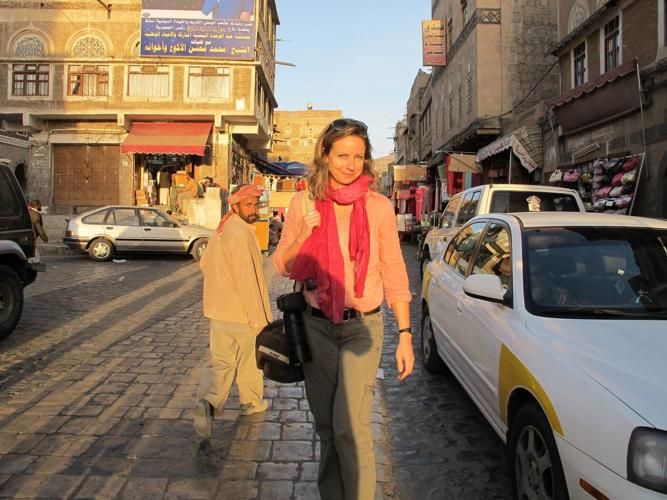
The rush to Ground Zero
When the first plane struck the World Trade Center on September 11, 2001, Toronto Star crime reporter Michelle Shephard didn't hesitate. She grabbed her passport and notebook and raced to the airport, only to find flights grounded and television screens turned off. The urgency of the moment compelled her to join other Star reporters in a car bound for New York, becoming part of the unusual migration of journalists and emergency workers moving toward the disaster zone while thousands fled in the opposite direction.
Shephard's laminated Toronto Star press pass, which she later described as looking
"like it was made in someone's basement,"unexpectedly proved sufficient for gaining access to emergency lanes. This small stroke of luck allowed them to bypass traffic and reach Manhattan that same night. The scene that greeted them was unlike anything in Shephard's reporting experience. She vividly remembers encountering a firefighter collapsed in exhaustion after hours of digging through rubble, an image that stopped her in her tracks. The surreal sight of office documents blanketing streets like snowbanks and the haunting posters of missing persons covering Manhattan walls created a landscape of collective trauma.
"It was an entire city that was traumatized,"Shephard recalled in a recent interview, describing how these sensory details remain seared in her memory a quarter-century later.
Reporting through exhaustion and grief
The physical and emotional toll on journalists covering 9/11 was unprecedented. Shephard wore the same clothes for three straight days, washing thick dust off each night in a hotel sink and drying them with a hair dryer each morning. Her personal life became an afterthought - her husband, fellow Star reporter Jim Rankin, had rushed to Boston to cover the flight origins, leaving their new kitten unattended in the chaos. Yet these personal concerns paled beside the scale of tragedy they witnessed daily.
In hindsight, Shephard questions some newsroom pressures during that period, particularly the push for emotionally charged photos of grieving families.
"The journalism industry has since become more mindful of retraumatizing sources,"she noted, reflecting on how ethical standards have evolved. She takes professional pride in having documented both the immediate aftermath and the longer-term consequences, including her early but often overlooked reporting on post-9/11 Islamophobia. These stories were initially relegated to the back pages before public awareness grew.
"Eventually the pendulum swung the other way,"she observed about changing attitudes toward Muslim communities.
The anchor's human moment
CBC News anchor Peter Mansbridge was at his doctor's office when news of the attacks broke. During his drive to CBC headquarters, the veteran broadcaster mentally rehearsed reporting fundamentals: verifying facts amid inevitable rumors and maintaining professional composure. What followed was 44 hours of continuous coverage, during which Mansbridge operated on pure adrenaline until a brief voicemail from his university-aged daughter in Winnipeg pierced the professional detachment.
"I just want you to know that I'm watching you. And I love you,"the message said. Mansbridge described this as the moment the attacks' emotional weight truly registered.
"Sometimes, when you sit in the studio, it's almost like watching a movie,"he reflected, explaining how the personal connection grounded him in the human reality behind the crisis. This private moment became a touchstone for understanding how families worldwide were seeking connection amid the unfolding tragedy.
Broadcasting in uncharted territory
The CBC's marathon coverage required constant editorial judgment calls about what to air and what to withhold. Mansbridge emphasized their careful approach to sensitive material, avoiding speculation about death tolls and limiting replays of the plane crashes. The network relied heavily on expert commentary to fill airtime, including one particularly memorable contributor introduced as a retired pilot who provided remarkably accurate analysis of cockpit operations and hijacking procedures.
This expert's insights proved so valuable that Mansbridge continued using him as a source until discovering weeks later that the man had fabricated his aviation background.
"Everything he said was right,"Mansbridge recalled with lingering astonishment. The incident became a cautionary lesson about verification during chaotic breaking news situations. Looking back, Mansbridge acknowledges significant gaps in coverage, particularly regarding the surge of Islamophobia following the attacks.
"I'm not sure that enough of us in western journalism understood what was happening,"he admitted.
"Some did, but they were kind of lonely voices in the midst of all this."
On the ground in chaos
At The Canadian Press headquarters in Toronto, editor-in-chief Scott White recalled the newsroom falling into stunned silence as they watched the second plane hit on live television.
"It was a 'holy s, ' moment,"White said, describing how the visual confirmation transformed abstract reports into undeniable reality. Reporters immediately mobilized, with some speeding toward New York fearing imminent border closures - the agency even paid one reporter's speeding ticket incurred during the desperate dash through Pennsylvania.
Their journalists arrived to scenes beyond professional comprehension: emergency workers shoveling knee-deep ash, the heartbreaking transition from celebration to mourning when initially cheered rescues turned out to be body recoveries.
"We saw the bodies come out and we cheered because we thought they were alive,"one worker told The Canadian Press at the time.
"But then they brought in the chaplain to read his last rites."The psychological toll became evident when one reporter briefly panicked upon hearing rumors of another imminent attack, fleeing in terror before the report was debunked.
"That was the first time I remember worrying that something was going to happen to one of our reporters,"White said.
Enduring images and impact
Among the lasting visual records of 9/11's aftermath is Canadian Press photojournalist Andrew Vaughan's poignant image of Rachel Uchitel pleading for information about her missing fiancé. This photograph joined other iconic images in shaping public understanding of the attacks' human cost. For journalists like Shephard, the work extended far beyond initial crisis reporting into years of covering the geopolitical and social consequences.
Shephard found professional purpose in documenting these long-term effects, though the personal toll remained. She recalled breaking down after an interview when a Red Cross official asked who was looking after the reporters.
"I remember that when I would put my head down, I would be teary about all that I had seen,"she said. Yet she took solace in knowing her reporting served an essential public function during a historic crisis.
Journalism transformed
Twenty-five years later, these journalists' accounts reveal both the extraordinary efforts to document history and the profession's evolving standards for trauma reporting. Their experiences highlight journalism's indispensable role during national crises while demonstrating how the field has matured in handling sensitive material and marginalized perspectives.
The recollections underscore how covering 9/11 changed journalists personally and professionally, pushing them to their limits while shaping Canada's understanding of world-altering events. From improvised road trips to Ground Zero to marathon broadcasting sessions and ethical dilemmas in portraying grief, these stories demonstrate how even in moments of unprecedented crisis, the fundamentals of verification, ethical judgment and human connection remain journalism's guiding principles. As Mansbridge reflected,
"The world would never be the same after that,"- a truth that applies equally to the journalists who documented it and the societies that witnessed it through their work.