Experts warn proposed air passenger complaints overhaul could favour airlines
Law and aviation professors told a Senate committee the reforms risk impartiality and may not fix a backlog of 98,000 complaints.
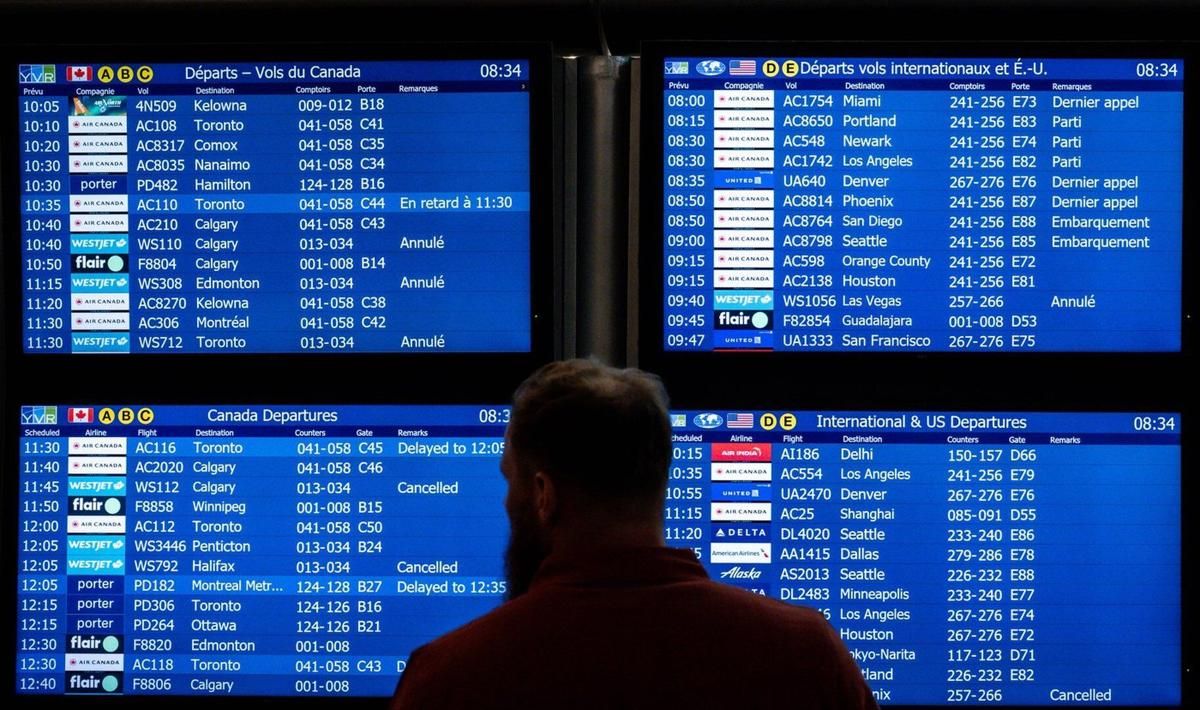
OTTAWA — Experts are raising concerns that a proposed overhaul to Canada's air passenger complaints process could give airlines an edge over customers while failing to fix a massive backlog.
At Senate transport committee hearings late last month, law and aviation professors said the would-be reforms risk impartiality and inefficiency.
"This is the exception, not the norm," said University of Ottawa law professor Paul Daly of the plan to use private adjudicators.
READ MORE: CATSA explores biometric scanning for domestic flights by 2031
READ MORE: Trump's drug price policy could raise costs for Canadians, experts warn
He said delegating decision-making authority to private parties selected by airlines should be "viewed with suspicion" and accompanied by oversight rules to ensure fairness.
"Bill C-31 has none of that," he told the senators, referring to the omnibus bill containing the changes.
In April, the Liberals announced plans to establish a model where independent adjudicators resolve complaints over issues ranging from flight refunds to accessibility.
The change would end the current in-house process under the Canadian Transportation Agency, where the backlog sits at a record 98,000 complaints and wait times often exceed two years.
The legislation states that a decision by a private adjudicator, chosen from a list authorized by the transport minister, would be "binding."
In the European Union and United Kingdom, passengers who file a complaint via an alternative dispute resolution body can opt to reject the decision, meaning the outcome is not binding on the consumer.
Sara Eve Levac, a Quebec-based lawyer with advocacy group Option consommateurs, pointed to Canada's banking sector as a cautionary tale.
"A proliferation of private complaint-handling bodies did not benefit consumers," said Levac, who called for strict regulation if the change goes through.
Confusion and uneven rulings could be another side effect, said Vincent Correia, a law professor at McGill University specializing in aviation.
"With multiple actors potentially involved in the complaints resolutions, two passengers with the same facts could get different answers," Correia said.
Other experts said the reforms, including a 90-day time frame for complaint resolution and payment within 30 days of an order, mark a step forward for speed, but that bottlenecks could persist in the courts.
Jeff Morrison, CEO of the National Airlines Council of Canada, has welcomed the new complaints process, calling the current one "ineffective."
However, he told senators he hopes the system will steer clear of the "claims farms" that clog up European systems and that the government, not carriers, should fund the adjudication process to avoid appearing "biased in favour of the airlines."
The proposed changes follow stalled progress on a broader passenger rights reform package laid out more than three years ago.
Transport Canada officials confirmed this week that those sweeping reforms are no longer in play, replaced by amendments to the complaints resolution process currently in committee.
Air Canada launched its own alternative process last April in a pilot project that taps an external arbitrator funded by the airline.
The move hints at mounting frustration with the existing framework, where cases drag on despite a staffing boost of more than 100 "complaint resolution officers" over the past few years.
With files from Travel Industry Today