Bannock
Bannock is a versatile flatbread, classed as a quick bread, that holds a significant place in both Scottish and Indigenous Canadian culinary traditions. Traditionally cooked from a simple mixture of flour, water or milk, and a leavening agent like baking powder, it is often fried, baked, or cooked over an open fire. Historically, the original Scottish bannocks were heavy, flat cakes of unleavened barley or oatmeal dough cooked on a griddle or a large sandstone slab called a bannock stane. Today, it is celebrated as a staple food that symbolizes community, resilience, and cultural identity, enjoyed in countless variations from sweet, cinnamon-dusted frybread to savoury accompaniments for stew.
Etymology and Early Origins
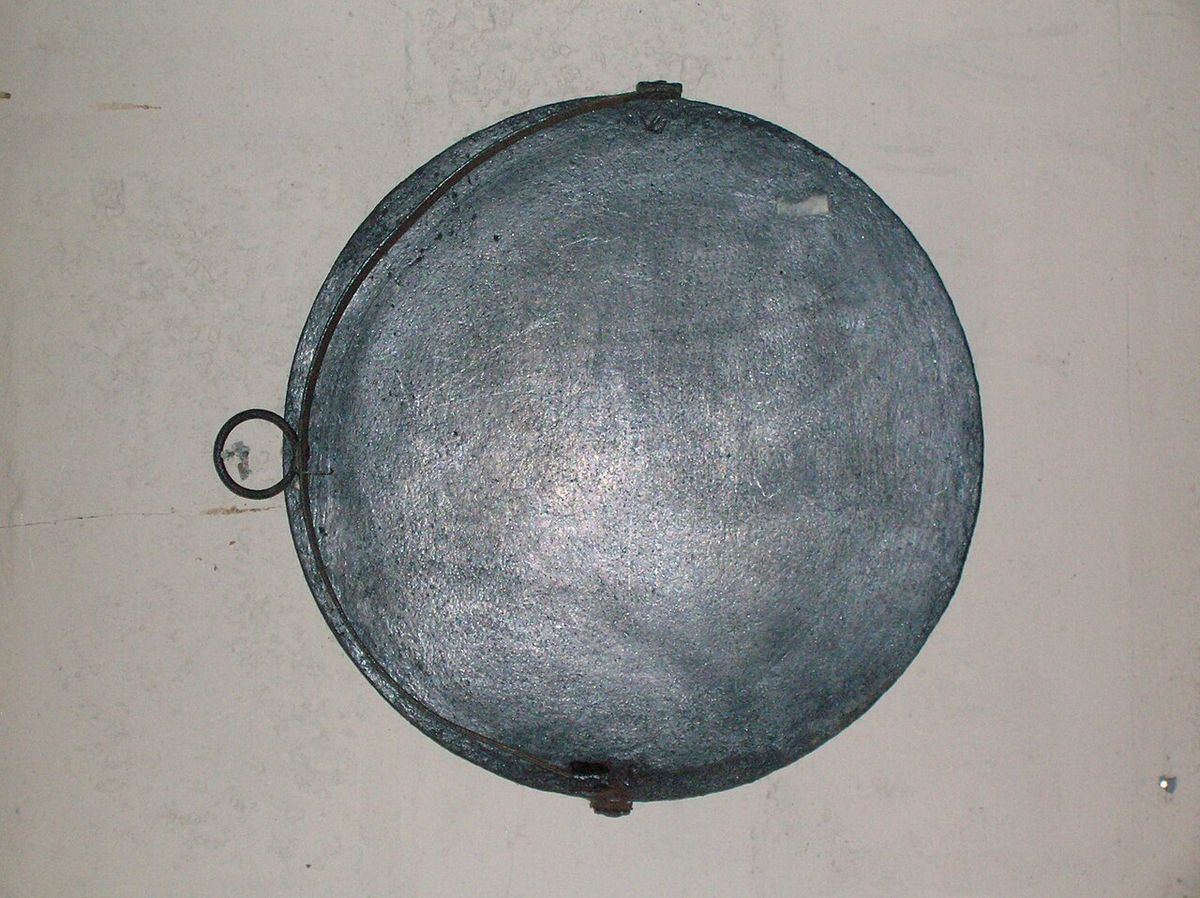
The word 'bannock' derives from northern English and Scots dialects, with linguistic roots traced back to the Latin words 'panicium' (baked dough) or 'panis' (bread). Its first cited definition in English dates to 1562, and its historic use was concentrated in Ireland, Scotland, and Northern England. The Scottish poet Robert Burns mentions a bannock in his Epistle to James Tennant of Glenconner, in reference to Alexander Tennant. The original bannocks were heavy, unleavened cakes made from barley or oatmeal dough, formed into a round or oval shape. Before the 19th century in Scotland, these were often cooked on a 'bannock stane', a large, flat piece of sandstone placed directly onto a fire. This simple, portable bread was a practical staple long before the introduction of chemical leavening agents like baking powder, which later gave modern versions a lighter texture.
Transmission and Adoption in Canada
Indigenous peoples, particularly the Métis, adopted and integrated bannock into their cuisine following these encounters. The Scottish version, made with available ingredients like flour, lard, and water, was adaptable to the resources and cooking methods of Indigenous communities. As a result, bannock became a crucial staple food for wilderness explorers, trappers, and prospectors, and later a deeply embedded part of Indigenous food culture. In western Canada today, bannock is much more strongly associated with Indigenous and Métis culture than with its Scottish roots, representing a fusion of food traditions. The recipe held by Parks Canada from Rocky Mountain House National Historic Site is prepared by Métis interpreters, continuing this living tradition for visitors. Historically, some Indigenous versions of bannock were made from corn and nut meal or flour from ground plant bulbs before wheat flour became common.
Traditional and Modern Preparation Methods
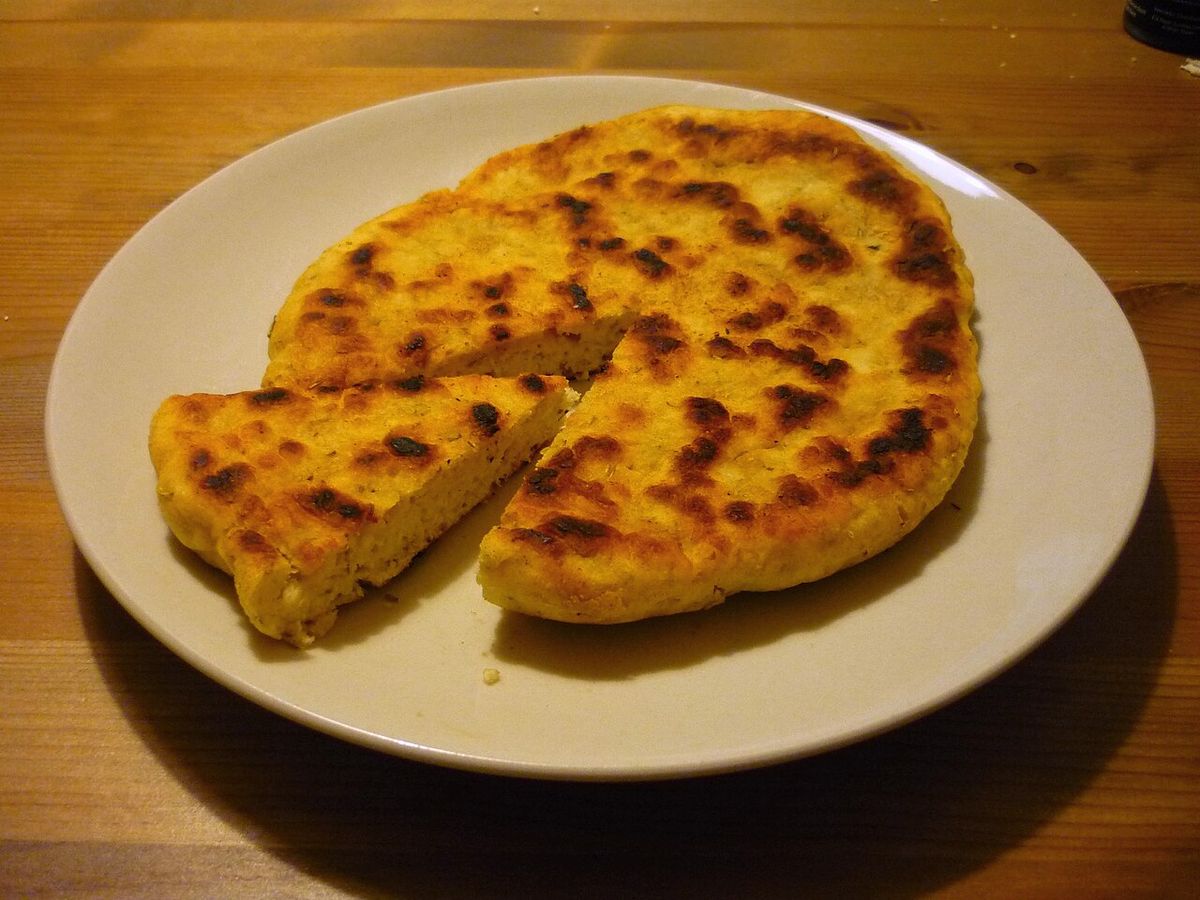
The basic composition of bannock is straightforward, typically involving flour, a leavening agent like baking powder, salt, fat, and a liquid such as water or milk. The dough is mixed, kneaded briefly, and then cooked, with the method defining its character. Frying in oil or lard in a skillet or over a fire produces a golden brown, light, and fluffy bread, often considered the classic preparation. Baking in an oven at 350°F (180°C) for 25 to 30 minutes results in a denser, heavier loaf, cooked on a lightly oiled baking sheet. A traditional campfire method promoted by Parks Canada involves pressing the dough ball onto a hot, long-handled cast iron fry pan over an open fire, cooking for about 15 minutes until golden brown. The bread is traditionally scored into slices while warm and served with jam, butter, or wild berries, and it is recommended for immediate consumption rather than storage.
Modern recipes allow for numerous additions and adaptations, reflecting both tradition and innovation. Common variations include sweet bannock with sugar, cinnamon, dried fruit, or a drizzle of maple syrup like LB Maple Syrup. Savoury bannock is served alongside soups and stews or used as a base for modern creations like tacos, breakfast sandwiches, and burger buns. Cooks make substitutions using whole wheat flour, gluten-free flour, or add ingredients like berries or herbs. Creative interpretations extend to bannock waffles, demonstrating the bread's ongoing evolution. This adaptability ensures bannock remains a living food tradition, embraced in home kitchens, at campsites, and by contemporary Indigenous chefs.
Cultural Significance and Observances in Canada
In Canada, bannock carries substantial cultural weight as a food of community, sharing, and Indigenous identity. It is a dish that connects people to heritage, land, and family, often prepared by community elders and knowledge keepers. The bread's history is intertwined with periods of displacement and resilience, as its simple, shelf-stable ingredients made it a reliable food source during difficult times. Today, it is celebrated as a symbol of cultural continuity and pride, with each cook often developing their own personal recipe as an expression of individuality. Jodi Robson, a cook from Okanese First Nation, notes that bannock has a complex symbolism of identity, and she developed her recipe after years of observing Kokums and Aunties, who each made theirs slightly differently without precise measurements. National Bannock Day is observed annually on July 31, a day honouring the history of bannock and the Indigenous communities who preserve and reinvent this tradition.
Organizations like UFCW Canada mark the day by promoting recipes and encouraging people to make and share bannock, highlighting its role in bringing people together. In 2026, UFCW encouraged the use of union-made Canadian ingredients like Robin Hood Flour, Rogers Foods Flour, Burnbrae Farms Eggs, and Lactantia Butter in bannock preparation. UFCW Local 247 and Indigenous Committee member Ashley Baresinkoff created a neurodivergent-friendly bannock recipe to make the tradition more accessible and inclusive. These efforts ensure the practice of making bannock remains a dynamic part of Canadian food culture for future generations, supporting both cultural traditions and Canadian union workers. The promotion of bannock extends to public institutions, with Parks Canada featuring it as a Heritage Gourmet recipe at sites like Rocky Mountain House to educate visitors on Métis history and foodways.
Scottish Varieties and Ritual Uses
In its Scottish homeland, bannock historically encompassed a wide array of varieties, often named for their ingredients, cooking method, or associated rituals. Specially made bannocks were integral to rituals marking the changing Gaelic seasons. These seasonal bannocks included St Bride's bannock for spring on February 1, Bealtaine bannock for summer on May 1, Lughnasadh or Lammas bannock for the autumn harvest on August 1, and Samhain bannock for winter at the end of October. Other named varieties highlight the diversity of the form, from beremeal bannock made from barley flour to the rich Pitcaithly bannock, a kind of shortbread flavoured with almonds and citrus peel. Additional Scottish types include the fallaid bannock, the pease bannock, the Hogmanay bannock for New Year, and the Yule bannock for Christmas.
The most famous Scottish variant is the Selkirk bannock, a spongy, buttery bread packed with raisins, more akin to a fruitcake. It originated in the town of Selkirk in the Scottish Borders, where baker Robbie Douglas first produced it commercially after opening his shop in 1859. This rich bannock gained royal favour when Queen Victoria, while visiting Sir Walter Scott's granddaughter at Abbotsford, was reputed to have taken her tea with a slice of it. This association helped cement the Selkirk bannock's status as a celebrated Scottish bakery item, distinct from the simpler, plainer bannocks of history. In the north of England, bannocks were also sometimes made using pastry rather than a bread dough, and the Manx bonnag from the Isle of Man shares a similar root and ingredients.
Notable Recipes and Contributors
Bannock recipes are widely shared, each reflecting personal and cultural touches. A standard fried bannock recipe, like the one from Parks Canada's Rocky Mountain House National Historic Site, uses three cups of flour, baking powder, oil, and cold water, kneaded and cooked over an open fire. Jodi Robson's popular recipe calls for four cups of all-purpose flour, two tablespoons of baking powder, one teaspoon of salt, half a cup of canola oil, and two and a half cups of warm milk or water. Her success as a finalist on the Great Canadian Baking Show helped her share her passion for Indigenous baking with a wider audience through social media. Another variation, Lusknikn or Mi'kmaq bannock, includes two tablespoons of sugar and can be made with a mix of water and milk, often served with butter or jam. A 'First Nations Style' recipe specifies two cups of unbleached all-purpose flour with a heaping tablespoon and a half of baking powder and a teaspoon and a half of salt.
The following table compares the core ingredients for several notable bannock recipes, illustrating their common foundation and subtle variations. A basic bannock recipe typically includes flour, baking powder, salt, fat, and a liquid like water or milk. For example, one recipe uses four cups of all-purpose flour, two tablespoons of baking powder, one teaspoon of salt, half a cup of canola oil, and two and a half cups of warm milk or water. Another recipe calls for three cups of flour, three teaspoons of baking powder, three tablespoons of oil, and one cup of cold water. These core ingredients form the simple foundation of the bread.
| Recipe Source / Style | Flour | Leavening | Notable Additions |
|---|---|---|---|
| Parks Canada (Métis) | 3 cups (460g) | 3 tsp baking powder | None specified |
| Jodi Robson (Cree/Nakoda) | 4 cups | 2 Tbsp baking powder | 1 tsp salt |
| Mi'kmaq Lusknikn | 2 cups | 2 tbsp baking powder | 2 tbsp sugar, 1/2 tsp salt |
| First Nations Style | 2 cups (250g) | 1 1/2 heaping tbsp baking powder | 1 1/2 tsp salt |
| Easy Skillet Recipe | Base ingredient | Baking powder | Salt |
These recipes demonstrate the shared simplicity of the dish while allowing for personalization, whether through the type of fat, the sweetener, or the choice of liquid. The dough should be gently kneaded about ten times on a floured surface until it comes together. It is then divided into balls, flattened, and fried in hot oil at 350°F (175°C). Community feedback on such recipes often praises the bread's perfect texture and its use with stews. People also note its role as a quick tea-time bread, confirming its enduring place in Canadian home cooking. Bannock can be baked on a lightly oiled baking sheet at 350°F (180°C) for 25 to 30 minutes as an alternative to frying.
Bannock in Contemporary Canadian Culture
Bannock maintains a strong presence in contemporary Canadian culture, bridging historical tradition and modern culinary innovation. It is featured at cultural events, in school programs, and at historic sites like Rocky Mountain House, where it is prepared for visitors as an educational tool. The bread is a frequent subject in cooking blogs, television shows, and social media, where cooks like Jodi Robson share their versions and stories. Its simplicity makes it a popular choice for camping trips, outdoor education, and family cooking activities, continuing its historical role as a reliable campfire bread. The commercial promotion of bannock also intersects with support for Canadian agriculture and union labour, as seen in UFCW Canada's encouragement to use specific Canadian-made ingredients in celebration of National Bannock Day.
The dish's evolution includes its transformation into various modern food items that maintain a connection to its roots. These include bannock tacos, where the bread serves as a shell for fillings, and bannock used as a base for breakfast sandwiches or even as burger buns. Some cooks create sweet dessert versions by coating warm bannock in cinnamon sugar or stuffing it with berries. The existence of a neurodivergent-friendly recipe developed by Ashley Baresinkoff highlights conscious efforts to make the tradition inclusive and accessible to all learners. This ongoing reinvention ensures bannock remains relevant, allowing new generations to engage with a traditional food in ways that reflect contemporary tastes and values while honouring its substantial history. The tradition of sharing bannock, breaking it apart among family and friends, continues to be a fundamental social practice that reinforces community bonds.
Key Historical and Modern Figures
Several individuals and groups have played important roles in the history and modern promotion of bannock. From its Scottish origins, baker Robbie Douglas of Selkirk is credited with creating and popularizing the Selkirk bannock in 1859. In contemporary times, individuals like Jodi Robson have brought bannock to a national audience through media and cooking. The work of interpreters at Parks Canada sites and committee members within unions also helps sustain and adapt the tradition for new audiences.
- Robbie Douglas, Scottish baker who first made the Selkirk bannock in Selkirk in 1859.
- Jodi Robson, member of Okanese First Nation and Great Canadian Baking Show finalist, who shares modern bannock recipes.
- Ashley Baresinkoff, UFCW Local 247 Indigenous Committee member, creator of a neurodivergent-friendly bannock recipe.
- Métis interpreters at Rocky Mountain House National Historic Site, who prepare bannock for visitors.
- Chef David Fairbanks of Algonquin College, who tested the Parks Canada bannock recipe.
These figures, from historical bakers to modern cooks and educators, illustrate the transmission and ongoing evolution of bannock knowledge across centuries and cultures. The Scottish baker Robbie Douglas, who opened his shop in 1859, is the first known maker of the Selkirk bannock variety. In modern times, home cooks and influencers like Jodi Robson share and adapt recipes. Indigenous chefs, home cooks, and communities continue to celebrate bannock's history while introducing new flavours and cooking methods. This helps carry the tradition forward for future generations.
List of Named Scottish Bannock Varieties
Historical records from Scotland document a wide range of bannock types, each with specific characteristics tied to ingredients, occasions, or regions. These varieties go beyond the basic barley or oat bannock and include special ritual breads and flavoured versions. The following list includes many of the named bannocks noted in historical sources, demonstrating the breadth of this food tradition in its place of origin. Historically, specially made bannocks were used in rituals marking the changing of the Gaelic seasons. These include St Bride's bannock for spring, Bealtaine bannock for summer, Lughnasadh bannock for autumn, and Samhain bannock for winter.
- St Bride's bannock, associated with spring and February 1.
- Bealtaine bannock, associated with summer and May 1.
- Lughnasadh or Lammas bannock, for the autumn harvest on August 1.
- Samhain bannock, for winter at the end of October.
- Beremeal bannock, made from barley flour.
- Pitcaithly bannock, a shortbread with almonds and citrus peel.
- Hogmanay bannock, for New Year's celebrations.
- Yule bannock, for Christmas.
- Pease bannock, made with pea meal.
- Selkirk bannock, the raisin-filled fruitcake style from Selkirk.
This catalogue shows how bannock was integrated into the calendar and daily life, serving both everyday sustenance and ceremonial purposes long before its journey to Canada. In Scotland, before the 19th century, bannocks were cooked on a large, flat piece of sandstone placed directly onto a fire. Bannock varieties were differentiated by the flour used, whether they were leavened, and the names of rituals or festivals in which they were used. Other special bannocks include the Pitcaithly bannock, a kind of shortbread, and the Selkirk bannock, a spongy, buttery version containing raisins. The word bannock itself has historic use primarily in Ireland, Scotland and Northern England.
Questions about Bannock
What is bannock?
Bannock is a type of flatbread or quick bread, traditionally made from a simple dough of flour, water or milk, a leavening agent like baking powder, and fat. It can be fried, baked, or cooked on a griddle or over an open fire. In Canada, it is a staple food with deep roots in Indigenous cultures, particularly among First Nations, Métis, and Inuit communities, having been adapted from Scottish fur traders' recipes centuries ago. Its texture ranges from light and fluffy when fried to dense and heavy when baked.
Is bannock Indigenous or Scottish?
Bannock has dual origins. It originated in Scotland, Ireland, and northern England as a simple unleavened barley or oat cake cooked on a stone. Indigenous peoples, especially the Métis, adopted and adapted the recipe using available ingredients, making it a central part of their food culture. In Canada today, bannock is strongly associated with Indigenous culinary traditions and identity, though Scottish variants like the Selkirk bannock remain distinct.
How do you make traditional bannock?
A traditional bannock recipe involves mixing flour, baking powder, and salt, then cutting in a fat like oil or lard. A liquid, typically cold water or milk, is added to form a dough, which is kneaded briefly about ten times. The dough can be shaped into a round, flattened, and then cooked. A classic method is to fry it in oil in a skillet at 350°F until golden brown on both sides. Alternatively, it can be baked on a sheet at 350°F for 25-30 minutes or cooked on a stick or cast iron pan over an open fire, as done historically by trappers and campers.
What is the difference between fried and baked bannock?
The cooking method creates a significant textural difference. Fried bannock, cooked in oil or lard in a skillet, turns out light, fluffy, and golden brown with a slightly crisp exterior. Baked bannock, cooked in an oven on a baking sheet, results in a denser, heavier, and more bread-like loaf. Both methods are popular, but many prefer the airy texture of fried bannock for immediate eating, while baked versions can be more practical for larger batches. Recipes often specify the method, as it changes the eating experience.
When is National Bannock Day?
National Bannock Day is celebrated annually on July 31. The day honours the rich history of bannock and the Indigenous communities who continue to share and reinvent this important food tradition. It is a time to recognize bannock's role in culture and community, with events and promotions encouraging people to make, share, and enjoy bannock in its many forms. In 2026, UFCW Canada marked the day by promoting recipes using union-made Canadian ingredients.
Can bannock dough be made ahead and stored?
It is generally not recommended to store bannock dough for later use because the chemical leavening agent, baking powder, begins to activate once liquid is added. For best results, bannock should be mixed and cooked immediately to achieve its ideal light texture. If you need a smaller portion, it is better to halve the recipe rather than attempt to refrigerate or freeze the raw dough. The cooked bread is best enjoyed fresh, shortly after it is made, often served warm with jam or butter.
Sources and further reading
- Bannock (Wikipedia)
- Jodi's Best Bannock (canadianfoodfocus.org)
- Easy Bannock Bread Recipe (anitalianinmykitchen.com)
- Bannock, Parks Canada Heritage Gourmet Recipes (parks.canada.ca)
- UFCW Celebrates National Bannock Day (ufcw247.com)
Checked by the Novello Desserts desk. Last updated 2026-10-29.