Corn on the cob
Corn on the cob is a culinary dish consisting of a cooked ear of sweet corn, typically served as a warm side dish where the tender kernels are eaten directly from the cob. A defining feature of summer gatherings in Canada, from backyard barbecues to community picnics, it is prized for its fresh, sweet flavour and simple preparation. The dish is traditionally seasoned with butter and salt, though numerous creative variations exist. Its popularity is marked annually on Corn on the Cob Day, observed on June 11, honouring its role in seasonal food culture and family traditions.
Preparation and Cooking Methods
The preparation of corn on the cob begins with selecting fresh ears, ideally with bright green, damp husks and golden, smooth silk. The corn is typically shucked, meaning the husk and silk are removed before cooking, though some methods involve cooking in the husk. The most common and reliable cooking techniques include boiling, grilling, roasting, steaming, microwaving, air-frying, and slow-cooking. For boiling, a popular method involves adding shucked corn to a full rolling boil, covering the pot, and immediately removing it from heat to sit for ten minutes, which yields plump, juicy kernels with a slight crunch. Grilling is particularly favoured in summer for the smoky flavour and char it imparts. Corn can be grilled directly in its husk or shucked and wrapped in aluminum foil. Oven-roasting corn directly on the rack in its husk is another simple method that requires minimal prep and results in caramelized kernels.
Seasoning is typically applied after cooking. While classic toppings are butter and salt, contemporary recipes explore a wide range of flavours. Common additions include black pepper, garlic, Parmesan cheese, chili powder, lime juice, mayonnaise, and fresh herbs like basil or parsley. Contrary to some advice, adding salt or sugar to the boiling water is generally considered unnecessary as the brief cooking time prevents significant absorption. For optimal freshness and sweetness, corn should be cooked as soon as possible after harvest, as its sugars rapidly convert to starch, diminishing flavour. The conversion from sugar to starch is rapid, with corn losing up to 25 percent of its sweetness within a single day after picking, making same-day cooking ideal.
Detailed step-by-step instructions for a buttery corn off the cob side dish specify using an 8-quart tall pot and a 2-quart round glass baking dish. The recipe calls for six ears of corn, white vinegar, granulated sugar, water, butter, salt, and pepper. The corn is simmered in water with vinegar and sugar for about eight to ten minutes until tender, then cooled and removed from the cob in medium to large pieces before being layered with butter and seasonings in the baking dish. This method of removing corn in larger pieces, rather than single kernels, is often noted by guests as a preferred texture.

Historical and Cultural Significance
Corn on the cob has deep historical roots in the Americas, predating European contact. Indigenous peoples, including the Maya and various Aboriginal Canadian groups in southern Canada, cultivated and consumed sweet corn as a staple food, often roasting or boiling it on the cob. Maize remains a global food source, with more grown worldwide than wheat or rice, and its cultural importance is recognized by UNESCO, which has added traditional Mexican cuisine to its Intangible Cultural Heritage list. In Canada, corn on the cob is emblematic of summer and local agriculture, with farming communities across regions like the Midwest and Ontario relying on corn production. The dish holds a central place in communal and family gatherings, often associated with the first harvest period from late June to early September.
The dish holds a central place in communal and family gatherings. In Quebec, a popular tradition is the épluchette de blé d'Inde, or corn-shucking party, where guests help shuck corncobs before they are boiled and served with butter and salt alongside other foods. Corn on the Cob Day, celebrated on June 11, further emphasizes its cultural role, encouraging appreciation for seasonal eating and culinary creativity. The dish's simplicity, affordability, and crowd-pleasing nature have cemented its status as a fixture at barbecues, picnics, and festivals across the country. It is one of the most consumed foods on the Fourth of July in the United States, reflecting its broader North American cultural footprint.
Beyond mere consumption, corn on the cob functions as a social catalyst. Food celebrations like Corn on the Cob Day become opportunities to bring people together for neighborhood cookouts, family reunions, and community picnics. The dish is a staple at these events because it is easy to prepare in large quantities, inexpensive, universally liked, and encourages informal, shared dining experiences. These shared experiences help strengthen family relationships and create traditions that can be passed from one generation to the next, with the foods we associate with holidays often becoming part of our family stories and cherished memories.
International and Regional Variations
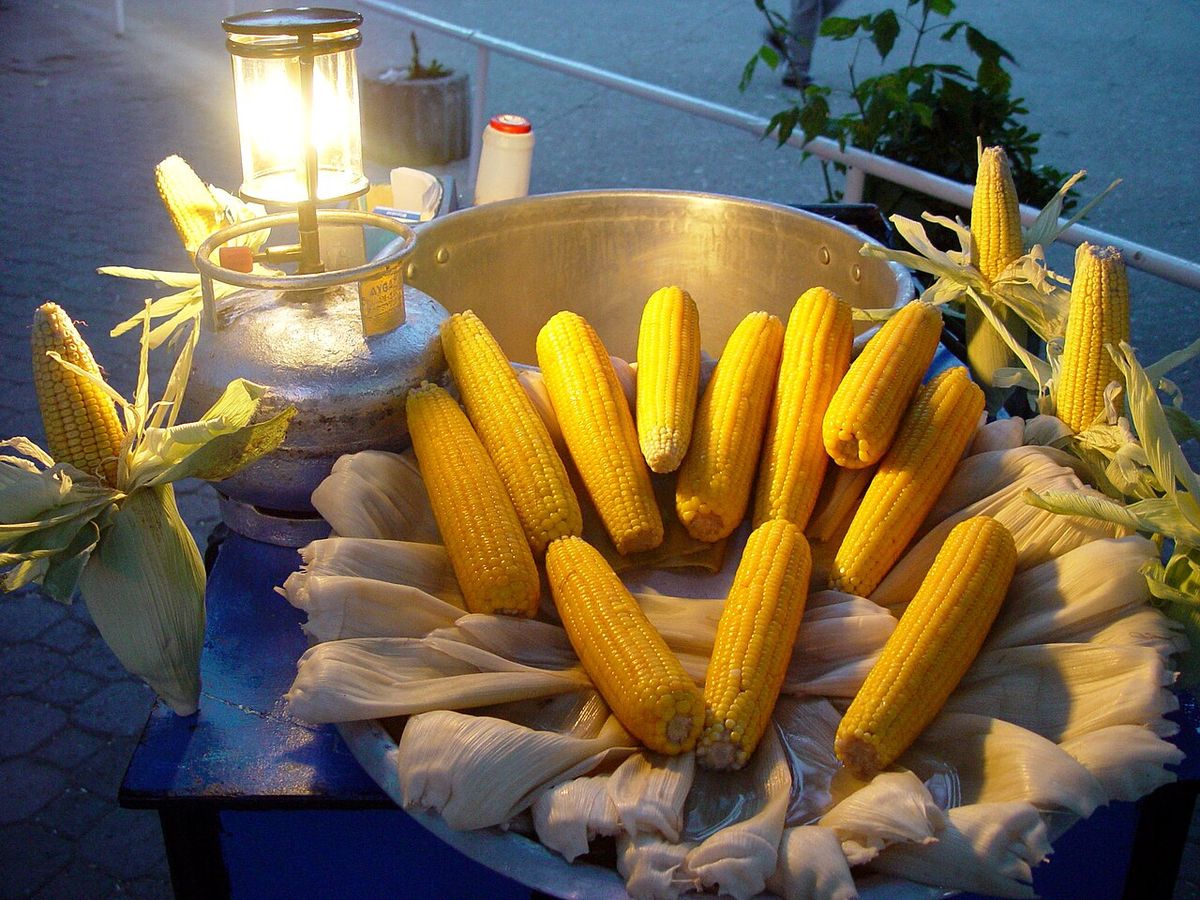
While buttered corn is a North American standard, numerous international variations demonstrate the cob's versatility. In Mexico and most of Central America, street food known as elote is immensely popular. The term elote comes from the Nahuatl word elotitutl, meaning "tender cob." It is typically boiled or grilled and served on a stick, then coated with condiments like mayonnaise, grated Cotija cheese, chili powder, and lemon juice. Mobile vendors called eloteros sell these from stationary or mobile carts, often keeping the corn hot in the brazier where it was cooked. In some regions, elotes locos, or "crazy corn," is served with additional sauces like ketchup, mustard, and sweet and sour sauce.
In the Andean countries, as well as Uruguay and Paraguay, an ear of corn is called choclo, from the Quechua word chuqllu. In Peru, choclo con queso is a popular street food in which the corn on the cob is grilled on hot coal and served with Peruvian salted cheese, also commonly sold on inter-regional buses. In Japan, yaki-tōmorokoshi is a festival snack where corn is coated with soy sauce and grilled, a tradition that became popular in Sapporo, Hokkaido, around 1890 during the Meiji Era. In India, masala bhutta is a popular street food consisting of grilled corn seasoned with lime juice and a spice mix. These global interpretations highlight how a simple ingredient can be adapted to local tastes and culinary traditions.
- Elote (Mexico/Central America): Grilled or boiled corn with mayonnaise, cheese, chili, lime.
- Choclo con queso (Peru): Coal-grilled corn served with salted cheese.
- Yaki-tōmorokoshi (Japan): Soy sauce-glazed, grilled corn, often at festivals.
- Masala bhutta (India): Grilled corn with lime juice and masala spices.
- Épluchette de blé d'Inde (Quebec): Corn-shucking social event with boiled corn.
- Regional Names: In Venezuela corn on the cob is jojoto. In Colombia, Panama, Puerto Rico, Cuba, the Dominican Republic and Spain, it is mazorca.
These variations are not merely about flavour but also involve specific preparation rituals. In Central America, it is customary to grill elote during the first harvest of the year, and women can be seen selling it on highways next to cornfields. In Mexico, elotes are sometimes boiled and transported wrapped in their husks because cooking them this way is believed to give more flavour. The diversity of these practices illustrates the deep integration of corn into food systems and public life across different cultures.
Selection, Storage, and Serving
Selecting the best corn is crucial for quality. Ideal ears have bright green, slightly damp husks and silk that is golden or light brown, smooth, and sweet-smelling. The kernels should feel plump through the husk, with no mushy spots. To preserve sweetness, corn should be chilled immediately after picking to slow the conversion of sugar to starch. Consumers are advised to purchase corn kept on ice or in a cooler. Some experts recommend bringing your own cooler to transport corn home from the market. Once cooked, corn on the cob can be stored in an airtight container in the refrigerator for up to four days, though it is best enjoyed fresh for maximum juiciness and flavour. If corn at the grocery store is already shucked and sold on a styrofoam tray, it may be older and potentially chewy and flavourless.
Serving corn on the cob often involves practical considerations. Specialized utensils like corn cob holders, which are skewers inserted into each end, allow diners to handle the hot cob without touching the kernels. These utensils have been used since ancient times, with examples ranging from wooden articles in ethnographic museums to silver tableware. Other tools include brushes for removing silk and knives designed specifically for buttering corn or removing kernels. Some etiquette guides, like Lillian Eichler Watson's 1921 book, recommend buttering and salting only a section at a time to minimize mess, and describe using a short sharp knife to scrape kernels onto the plate as the most satisfactory method.
The dish pairs excellently with a variety of summer mains, such as grilled burgers, barbecue chicken, ribs, or vegetarian options like portobello mushrooms or homemade veggie burgers. It is commonly served alongside other seasonal sides like pasta salad, baked beans, or fresh vegetable dishes, rounding out a classic summer meal. For a complete grilled meal, corn can be served with impressive mains and one or two other sides, using the stovetop for the corn while the grill is used for proteins. This approach makes corn more than a side dish. It becomes a central component of outdoor dining experiences that create lasting family memories.
Nutritional Profile and Modern Culinary Adaptations
Corn on the cob contributes to a balanced diet as a source of carbohydrates, fibre, and certain vitamins. Its natural sweetness and satisfying texture make it a popular component of nutritious meals when paired with lean proteins and other fresh vegetables. Culinary adaptations have expanded far beyond the basic cob. Recipes for "corn off the cob" involve cutting the kernels from the cob in medium to large pieces, then layering them with butter, salt, and pepper in a baking dish for a convenient side. This method is particularly useful for make-ahead dishes and for serving larger groups, and it can be stored in the refrigerator and warmed up later.
Modern recipes continue to innovate, incorporating ingredients like black garlic puree, garlic and herb seasoning, seasoned pepper, honey butter, and roasted garlic to create bold new flavours. Specific contemporary recipes include Garlic Parmesan Corn on the Cob and variations seasoned with black garlic puree and heavy whipping cream baked in the oven. The dish's adaptability is demonstrated by its suitability for various cooking appliances, including air fryers and slow cookers, making it a versatile option for any kitchen. This ongoing culinary evolution ensures corn remains a relevant and exciting part of seasonal cooking.
The connection to local agriculture remains a strong selling point. Fresh corn often travels a short distance from farm fields to farmers markets, allowing families to enjoy seasonal ingredients at their peak. Supporting local growers strengthens communities and helps preserve agricultural traditions. Choosing fresh produce in season often results in better flavour, higher quality, and a stronger connection to local food systems. Corn on the Cob Day serves as a reminder of the important role farmers play in bringing nutritious and enjoyable foods to our tables, and the day encourages exploring creative ways to enjoy the ingredient while appreciating these agricultural traditions.
Etiquette and Practical Dining Considerations
Eating corn on the cob has long been considered a potentially messy endeavour, leading to specific etiquette guidelines and the development of specialized utensils. Traditional etiquette books, such as Lillian Eichler Watson's 1921 guide, noted it was "without a doubt one of the most difficult foods to eat gracefully" but permissible to eat with fingers, holding each end, sometimes with a napkin. A more refined method involved using a short, sharp knife to cut or scrape the kernels from the cob onto one's plate for later eating, which was described as the most satisfactory approach. These guides also recommend salting and buttering the corn a section at a time just before eating that section to help minimize the mess on the diner's face and hands.
To manage the practical challenges, various accessories are commonly used. Corn cob holders, utensils with tines or a single spike inserted into the ends of the cob, have been used since ancient times and range from simple wooden designs to decorative silverware. Other specialized tools include brushes for removing silk and knives designed specifically for buttering corn or removing kernels. These items help diners enjoy the cob with less mess, addressing common issues like butter dripping down the chin or kernels sticking between teeth, which etiquette sources note can be a source of embarrassment.
The informal nature of eating corn on the cob is part of its appeal for summer gatherings, but it exists within a framework of shared social norms. The act of sharing a large pot of boiled corn or passing around a platter of grilled cobs encourages interaction and informality. This combination of simple food, practical tools, and relaxed etiquette contributes to its enduring popularity as a communal dish. It transforms a basic vegetable into a shared experience that is both satisfying and socially engaging, fitting perfectly into the casual atmosphere of Canadian summer events.
Commercial Presentation and Consumer Guidance
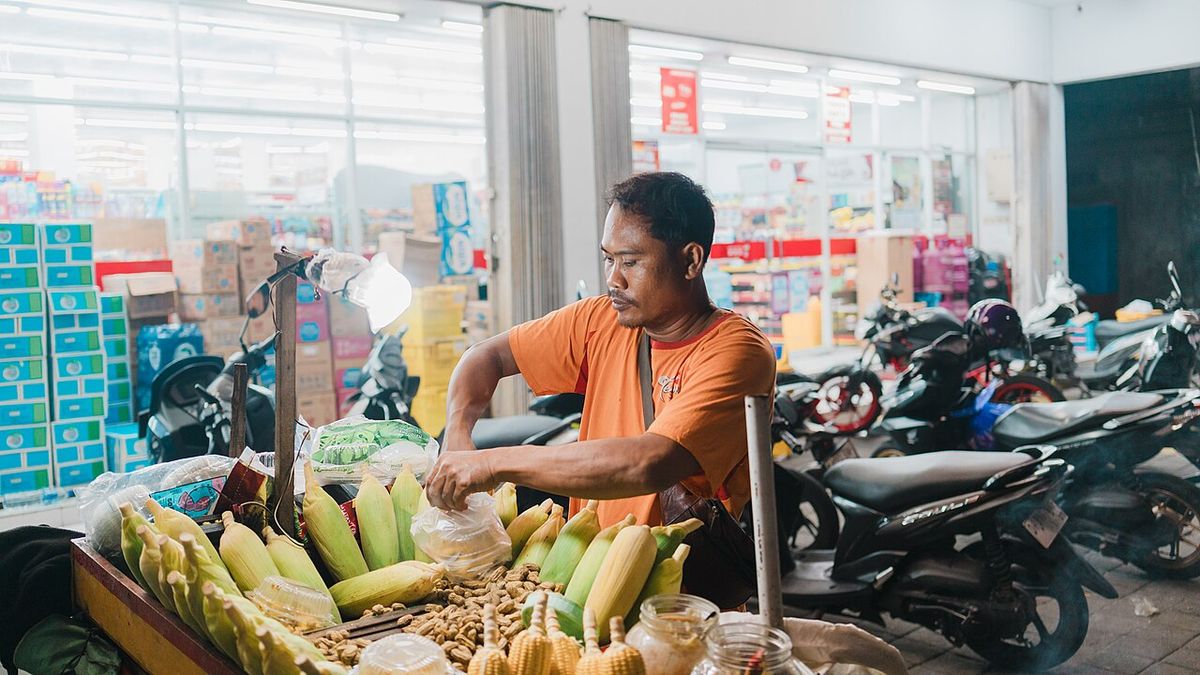
Corn on the cob is presented to consumers in various formats at grocery stores and markets. It may be sold with the husk intact, which is the best indicator of freshness, or it may be pre-shucked and packaged on styrofoam trays wrapped in cellophane. When the husk is present, it is advised not to peel it back to inspect the kernels, as this can cause the kernels to dry out and affect freshness. Instead, consumers should check the stem and tassel and feel the kernels through the leaves. The colour of the kernels, whether white or yellow, does not necessarily indicate sweetness. The type of corn determines its sugar content. For those seeking the best quality, direct purchase from farmers markets where corn is kept on ice is recommended, as the practice of chilling corn right after picking is critical because it slows the sugar-to-starch conversion that begins immediately after harvest.
This biochemical process is why corn is ideally cooked on the same day it is harvested. Retailers who pile corn on a table in the sun are likely offering a product that has already begun to lose its optimal flavour and texture, so consumers are advised to keep walking and only buy ears that are properly chilled. Understanding these commercial and biological factors empowers consumers to make informed choices, ensuring they bring home corn that will deliver the sweet, juicy experience expected from this seasonal favourite. This knowledge connects the act of shopping directly to the agricultural science behind food quality, bridging the gap between farm and table.
| Consideration | Guidance for Selection | Reasoning |
|---|---|---|
| Husk Condition | Bright green, slightly damp | Indicates recent harvest and moisture retention |
| Silk (Tassel) | Golden or light brown, smooth, sweet smell | Black, dry, or mushy silk suggests age |
| Kernel Feel | Plump and firm under husk | Mushy spots indicate spoilage or poor quality |
| Display Method | On ice or in a cooler | Chilling preserves sugar content post-harvest |
| Pre-packaged vs. Loose | Prefer loose with husk over pre-shucked trays | Husk protects kernels and is a better freshness indicator |
Questions about Corn on the cob
What is the best way to cook corn on the cob?
Several methods yield excellent results, but a popular technique for boiled corn is to add shucked ears to a full rolling boil, cover the pot, and immediately remove it from the heat, letting the corn sit undisturbed for ten minutes. This produces juicy, slightly crunchy kernels. Grilling is another top method, especially in summer, as it imparts a smoky flavour. Corn can be grilled in its husk or wrapped in foil. Other reliable methods include roasting in the oven, steaming, microwaving for three to four minutes in the husk, air-frying, and slow-cooking.
How should I pick fresh corn at the store?
Look for ears with bright green, slightly damp husks. The silk protruding from the top should be golden or light brown, smooth to the touch, and have a slightly sweet smell. Avoid ears with black, dry, or mushy silk. Gently squeeze the husk to feel for plump kernels underneath. Reject any ears with soft or mushy spots. For the best flavour, choose corn that is displayed on ice or in a cooler, as chilling slows the loss of sweetness after harvest. It is best not to peel back the husks to look, as this can dry out the kernels.
Can you make corn on the cob ahead of time?
Yes, you can prepare it ahead, but for optimal texture and flavour, it is best cooked as close to serving time as possible. After cooking and cooling to room temperature, corn on the cob can be stored in an airtight container in the refrigerator for up to four days. You can also use the "corn off the cob" method by cutting the kernels from the cooked cob and storing them in a baking dish layered with butter and seasonings, to be reheated later. The boiled corn can also stand in the hot water for an additional ten minutes without overcooking if you are not ready to serve immediately.
What is an épluchette de blé d'Inde?
An épluchette de blé d'Inde is a traditional Quebecois corn-shucking party. It is an informal social gathering where guests help remove the husks and silk from fresh ears of corn. The shucked corn is then boiled and served with butter and salt, often alongside other foods. This communal activity highlights the social and celebratory role of corn in Canadian summer traditions, particularly in Quebec, turning food preparation into a shared event.
Are there common international versions of corn on the cob?
Yes, many cultures have their own signature preparations. In Mexico and Central America, elote is boiled or grilled corn slathered with mayonnaise, cotija cheese, chili powder, and lime. In Japan, yaki-tōmorokoshi is corn grilled with a soy sauce glaze, commonly sold at festivals. In India, masala bhutta is grilled corn seasoned with lime juice and spices. In Peru, choclo con queso is grilled corn served with salted cheese. In Venezuela it is called jojoto, and in Colombia and Spain it is known as mazorca. These variations demonstrate the global adaptability of this simple dish.
What is Corn on the cob?
Corn on the cob is a culinary term for a cooked ear of sweet corn eaten directly off the cob. The ear is picked while the kernels are still tender in the milk stage. It is typically steamed, boiled, or grilled, often after removing the green husks, and is eaten warm seasoned with salt and butter. After picking, the corn's sugar quickly converts to starch, losing sweetness, so it is ideally cooked the same day it is harvested. This dish has global variations like Elote in Latin America, Masala Bhutta in India, and Yaki tōmorokoshi in Japan.
Sources and further reading
- Corn on the cob (Wikipedia)
- How to Boil Corn on the Cob (tasteofhome.com)
- Make-Ahead Buttery Corn Off the Cob Side Dish (couponclippingcook.com)
- Corn on the Cob Day: Beyond the Butter, Creative Ways to ... (estateplanningpeople.com)
Checked by the Novello Desserts desk. Last updated 2026-10-27.