Safeway
Safeway, commonly known as Canada Safeway, is a major supermarket chain with a strong presence in Western Canada. Operating 135 full-service locations primarily in provinces from Manitoba westward, it is a key part of the Canadian grocery retail landscape. Established in 1929 as a subsidiary of the American Safeway Inc., the chain became a wholly Canadian entity in 2013 when it was acquired by Sobeys, a division of Empire Company. While independent from its former American parent, the company continues to use the familiar Safeway name and logo, offering a full range of grocery items, in-store pharmacies, and fuel stations at many locations.
Founding and Early Expansion
Safeway's Canadian operations began in 1929 with the establishment of Canada Safeway Limited, headquartered in Winnipeg with an initial nine stores. The chain grew rapidly through acquisition, most notably purchasing the 179-store Canadian Piggly Wiggly chain in 1935. This move provided a significant foothold and established Safeway as a growing national player. For decades, the company expanded its footprint across the country, including a push into the Toronto market in 1969 by opening new stores rather than acquiring existing ones. However, the company faced stiff competition in Ontario and ultimately did not achieve the same dominant position it held in Western Canada. The early years set the foundation for a chain that would become deeply integrated into the communities it served, particularly west of Ontario.
Market Dominance and Regulatory Challenges
Throughout the 1970s and 1980s, Canada Safeway achieved a position of remarkable market strength in Western Canada. In Alberta during the 1970s, the company controlled an estimated 80 percent of the grocery market. This dominance led provincial authorities to accuse Safeway of holding a monopoly, which they argued resulted in artificially high food prices for consumers. A subsequent judicial inquiry imposed restrictions on the company's growth. The inquiry limited the number of new stores Safeway could open and forced the divestment of some existing locations to competitors. Several of these sold stores were successfully operated for decades by chains like IGA. This period underscored the significant influence Safeway wielded in the regional economy and the regulatory scrutiny that followed such concentration of market power.
Experimentation with Discount Formats
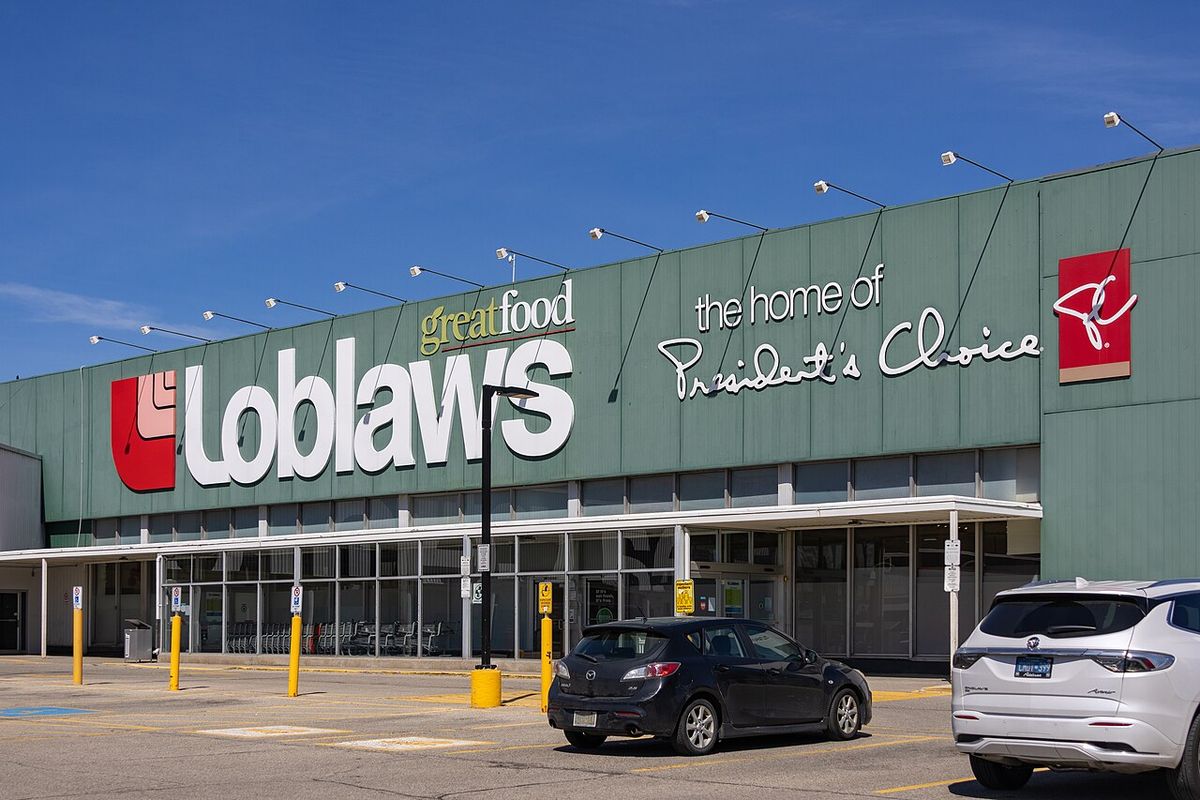
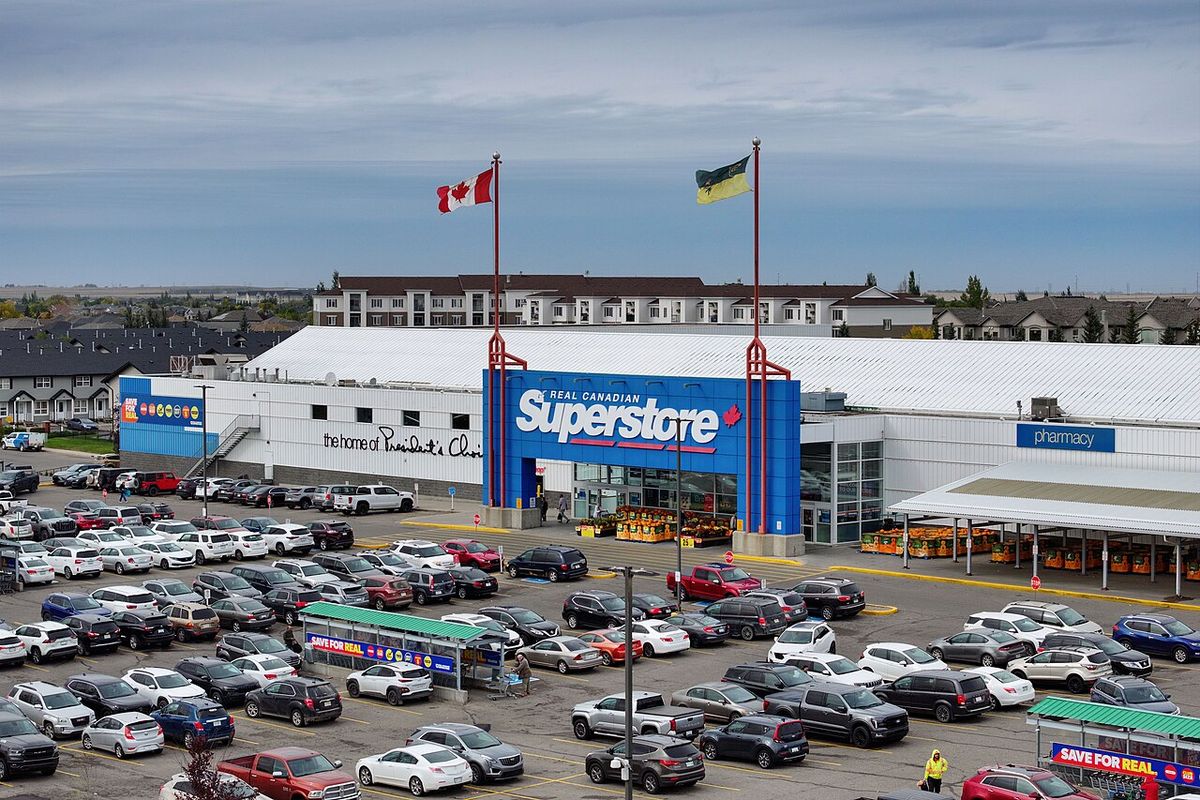
In response to competitive pressures, particularly from the expansion of Loblaws' Real Canadian Superstore into Western Canada, Safeway experimented with alternative store formats in the 1980s. In Alberta, the company launched the Food Barn and Food for Less banners. Food Barn offered selection and prices similar to a standard Safeway but in a warehouse-style decor. Food for Less was conceived as a big-box, discount chain intended to compete directly on price with Real Canadian Superstore. Notably, many Food for Less and Real Canadian Superstore locations were built in close proximity to each other, leading to intense local competition. Despite the intention to offer lower prices, the Food for Less stores did not always succeed in undercutting their rivals. By the end of the decade, Safeway had closed or rebranded most of these experimental formats, consolidating back under its primary banner.
Acquisitions and Rebranding Efforts
A significant expansion of Safeway's physical store network came through the acquisition of another established western Canadian retailer. In late 1987, Safeway purchased the 26 Woodward's Food Floors located in British Columbia and Alberta. These stores were initially rebranded as Woodward's World of Food. Following the closure of the Woodward's department store chain in 1993, Safeway undertook a complete rebranding of these locations. The Woodward's World of Food stores were gradually converted to the Safeway name, though some retained distinctive interior elements for several years before full renovation. This acquisition allowed Safeway to absorb a well-known competitor and convert its prime retail spaces, further solidifying its market coverage in key urban centres across the West and ultimately removing the Woodward's brand from the grocery landscape.
Loyalty Programs and Price Perception
Customer perception of Safeway's pricing has been a recurring theme in its history. The chain developed a reputation for higher prices compared to some competitors, a perception it occasionally attempted to address. In the late 1990s, the company launched the Safeway Club Card, a loyalty program promoted as a more convenient alternative to traditional coupon clipping. The program offered members exclusive discounts and deals. However, the company reintroduced paper coupons shortly after the card's launch, confusing some customers about its value. The Club Card was discontinued in Canada on April 4, 2014, following the chain's acquisition by Sobeys, though it remained usable in the United States. Throughout its history, Safeway has engaged in periodic price wars, but its reputation for premium pricing has often resurfaced, influencing shopper behaviour and competitive strategies.
Acquisition by Sobeys and Portfolio Transformation
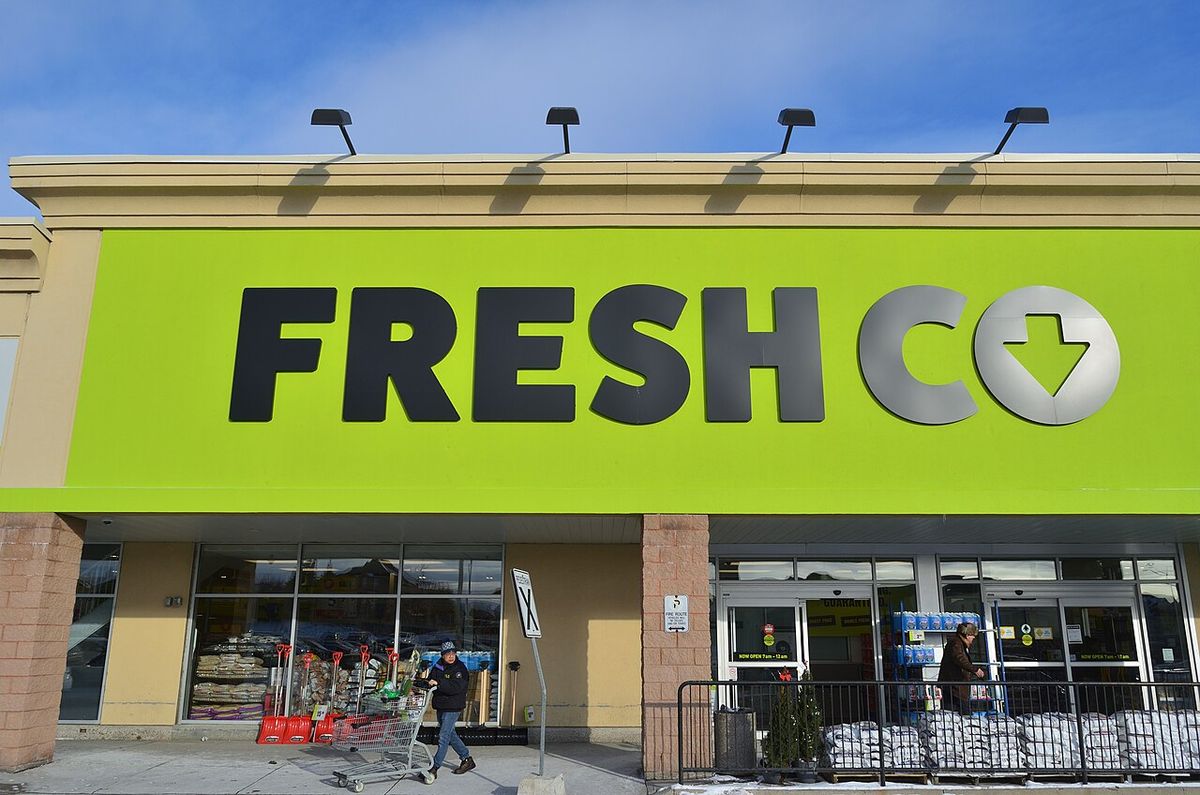
A major turning point in the company's history occurred on June 12, 2013, when Sobeys announced its agreement to acquire Canada Safeway for $5.8 billion. The deal received regulatory approval from the Competition Bureau later that year, subject to conditions designed to preserve competition. Sobeys was required to sell 23 stores, ultimately divesting 29 locations in total. Fifteen stores were sold to Overwaitea Food Group in British Columbia and Alberta, and 14 were sold to affiliates of Federated Co-operatives in Alberta, Saskatchewan, and Manitoba. Since the acquisition, parent company Empire Co. has been strategically converting a number of Safeway stores to its discount FreshCo banner, particularly in Alberta and British Columbia. This transformation is part of a broader plan to expand the FreshCo brand across Western Canada, indicating a shift in corporate strategy for the Safeway portfolio under its new ownership.
Current Operations and Services
As of 2026, Safeway operates 135 full-service grocery stores, with the vast majority located in Western Canada. The chain provides a comprehensive suite of services typical of a modern supermarket. Its operations include 173 in-store pharmacies, 62 fuel stations, and 10 liquor stores. The company supports these retail locations with four primary distribution centres and 12 manufacturing facilities. Safeway continues to offer a full range of grocery items, fresh produce, bakery goods, and general merchandise. Customers can shop in-store or utilize online ordering for pickup or delivery, with promotional offers frequently highlighted in weekly flyers. The chain remains a participant in the voluntary Scanner Price Accuracy Code managed by the Retail Council of Canada. Like many major retailers, Safeway stores typically remain open on holidays such as New Year's Day, though they may operate with reduced hours.
Questions about Safeway
Is Canada Safeway the same as the American Safeway?
No, Canada Safeway is a separate entity from the American Safeway Inc. chain. While it originated as a subsidiary of the American company in 1929, it was fully sold to the Canadian grocer Sobeys in 2013. Sobeys is a division of the Empire Company, which is Canada's second-largest supermarket chain. The Canadian operations are now entirely independent, though they continue to license and use the Safeway name and logo that are familiar to shoppers.
Where are Safeway stores located in Canada?
Safeway stores are concentrated almost entirely in Western Canada. The chain operates 135 full-service locations across the provinces of Manitoba, Saskatchewan, Alberta, and British Columbia. There is a particularly strong presence in Alberta and British Columbia. The company's headquarters are located in Calgary, Alberta. Following its acquisition by Sobeys, some stores, especially in British Columbia and Alberta, have been sold to other chains or converted to the FreshCo discount banner.
What happened to the Safeway Club Card?
The Safeway Club Card loyalty program was discontinued in Canada on April 4, 2014, after Sobeys completed its acquisition of the chain. The card had been launched in the late 1990s to provide member discounts. While it is no longer active in Canadian stores, the physical Club Card can reportedly still be used at Safeway locations in the United States. Canadian customers now access promotions and deals through other means, such as weekly flyers and digital offers.
Why are some Safeway stores becoming FreshCo?
The conversion of some Safeway stores to the FreshCo banner is a strategic decision by parent company Empire Co. to expand its discount grocery portfolio across Western Canada. This involves converting select underperforming Safeway and Sobeys locations, as well as opening new stores. The move is a response to competitive market dynamics and consumer demand for value-oriented shopping options. Dozens of stores are planned to be rebranded under the FreshCo name as part of this corporate strategy.
Does Safeway have gas stations?
Yes, many Safeway locations feature fuel stations. As of recent operations, the chain has 62 fuel stations associated with its stores. Following the Sobeys acquisition, there was a pilot project that converted ten Safeway gas stations in Winnipeg and Moose Jaw to the Shell brand. Sobeys also owns and operates Shell-branded stations in other regions like Quebec, Atlantic Canada, and Alberta, integrating fuel sales into its broader retail network.
Are Safeway stores open on holidays?
Yes, Safeway stores generally remain open on statutory holidays, including New Year's Day. However, like many major retailers, they may operate with reduced hours on these days. It is always advisable for customers to check the specific hours of their local store before visiting on a holiday, as hours can vary by location. The company's online store and delivery services may also have modified schedules during holiday periods.
Sources: Wikipedia and current public reporting, checked by the Novello Desserts desk. Last updated 2026-10-21.