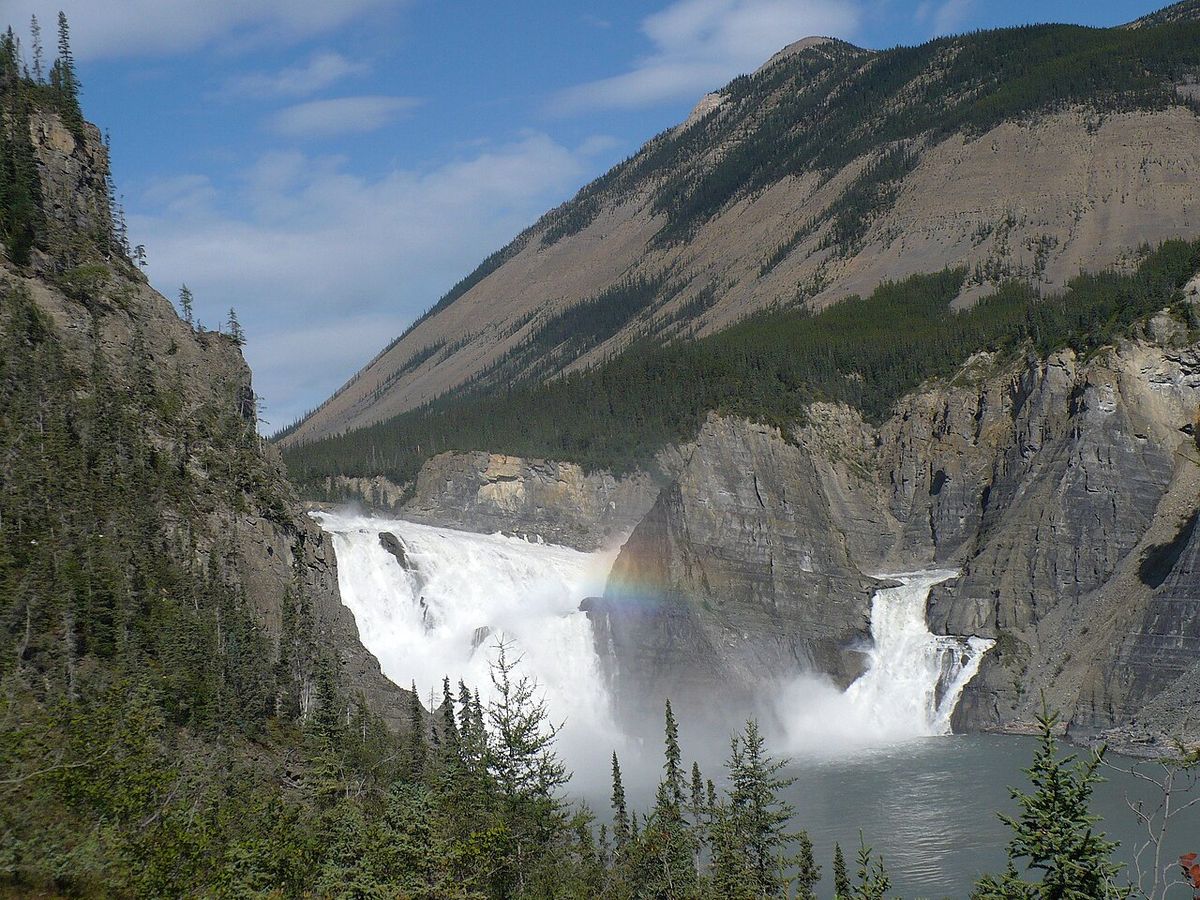
Boundary Waters
The Boundary Waters, also known as the Quetico-Superior Country, is a large wilderness region straddling the Canada-United States border between Ontario and Minnesota, just west of Lake Superior. This landscape features a sprawling network of interconnected lakes, rivers, and boreal forests shaped by ancient glaciers. It is a major destination for Canadians and Americans, known for canoeing, fishing, and backcountry camping. The region's ecological and recreational value is protected by an international collection of parks and wilderness areas.
Geography and Landscape
The Boundary Waters region consists of a glacially carved terrain of Precambrian bedrock, covered by thin soils and a dense boreal forest. This area contains a large and connected system of freshwater lakes, rivers, streams, and bogs, linked by historic portage routes. The geology and hydrology create a rugged, water-filled environment that defines the wilderness character of the area. The region is part of the Superior National Forest in Minnesota and extends into the Canadian Shield in Ontario, forming a shared international landscape.
This shared border area includes several major protected lands that work to maintain its ecological state and provide recreational access. On the American side, these include the million-acre Boundary Waters Canoe Area Wilderness, Voyageurs National Park, and Grand Portage National Monument. In Ontario, the wilderness is preserved within Quetico Provincial Park and the large La Verendrye Provincial Park. The international boundary itself runs through many lakes and waterways, allowing for cross-border canoe travel and necessitating binational cooperation for management.
History and Conservation
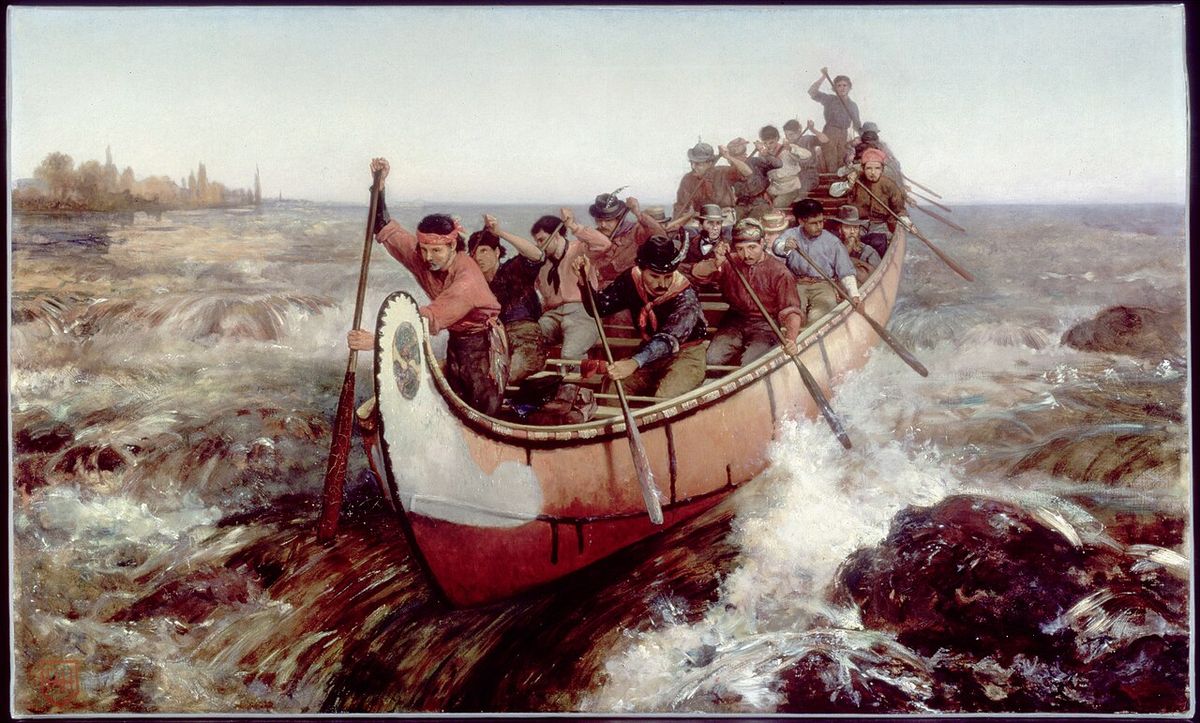
The human history of the Boundary Waters connects to Indigenous peoples, fur trade voyageurs, and later logging and mining industries that sought its resources. For centuries, the waterways were essential transportation routes for Anishinaabe and other First Nations, a practice continued by European fur traders who gave the region its voyageur heritage. Growing appreciation for the area's natural state led to early conservation work by advocates who fought to protect it from these industrial pressures. This U.S. law specifically banned logging and mineral leasing within the wilderness, setting a high standard for preservation. Current conservation efforts, led by groups like Save the Boundary Waters, continue to address contemporary threats such as proposed sulfide-ore copper mining near its borders.
The Boundary Waters region is protected by several significant areas. In the United States, these include the Superior National Forest, the Boundary Waters Canoe Area Wilderness, Voyageurs National Park, and the Grand Portage National Monument. On the Canadian side, the protected areas are Quetico Provincial Park and La Verendrye Provincial Park. The Boundary Waters Canoe Area Wilderness is a specific U.S. Wilderness Area that protects the southern extent of the region. The International Boundary Waters Treaty is also an important agreement associated with the area.
Recreational Activities
The Boundary Waters is celebrated as a top location for wilderness canoeing and backcountry camping, attracting visitors from across North America and beyond. This extensive network allows for trips from single days to multi-week journeys into the roadless interior, offering a true wilderness experience. Canoe camping here is a form of low-impact travel that requires self-reliance, with visitors following strict Leave No Trace principles and securing permits for all overnight stays. Fishing is another major activity, with the cold, clear waters holding healthy populations of lake trout, northern pike, walleye, and smallmouth bass that attract anglers. Many anglers practice catch-and-release to help maintain the ecological balance and ensure sustainable fish populations for the future. Beyond paddling and fishing, the region offers exceptional opportunities for wildlife viewing and birdwatching, hiking on designated trails in places like the Superior National Forest, and winter activities like cross-country skiing and dog sledding. The overall experience is defined by solitude, a deep connection with nature, and the physical and mental challenges of wilderness travel.
The Boundary Waters is a popular destination for recreationalists pursuing camping, canoeing, and fishing. Many visitors are also drawn to the area simply for its natural scenery and relaxation. The region is characterized by a vast network of waterways and bogs within a glacially-carved landscape. This landscape features Precambrian bedrock covered in thin soils and boreal forests.
- Wilderness canoe tripping across interconnected lakes and rivers.
- Fishing for lake trout, walleye, northern pike, and smallmouth bass.
- Backcountry camping at designated sites accessible only by water.
- Wildlife viewing for moose, wolves, black bears, and loons.
- Hiking on trails such as those in the Superior National Forest.
- Winter sports like cross-country skiing and dog sledding.
Gateway Communities and Access
Access to the Boundary Waters is supported by several gateway communities that serve as essential outfitting and supply centres for wilderness travellers. On the Minnesota side, the town of Ely is a primary hub, known for its many canoe outfitters, lodges, and the International Wolf Center which educates visitors about local wildlife. Other Minnesota entry points include Cook, Grand Marais, and Tofte, each providing services and access to different parts of the wilderness along various entry routes. In Ontario, the town of Atikokan, called the 'Canoeing Capital of Canada', is the main gateway to Quetico Provincial Park and provides similar services for Canadian wilderness trips.
These communities depend significantly on sustainable tourism related to the Boundary Waters, with economies built around serving wilderness visitors. Local outfitters provide comprehensive services such as canoe and gear rentals, shuttle transportation to remote entry points, food packing for extended trips, and expert route planning guidance. Many operations are multi-generational family businesses with deep, historical knowledge of the local waterways and weather patterns. Visitors must start their trips by obtaining required permits from managing agencies like the U.S. Forest Service or Ontario Parks, which help regulate visitor numbers and protect the wilderness from overuse during peak seasons.
Several communities serve as gateways to the Boundary Waters region. In Minnesota, these towns include Ely, Cook, Grand Marais, and Tofte. On the Ontario side, the primary gateway town is Atikokan. These communities are located anywhere from two to twenty miles from the boundary waters themselves. They provide access and services for visitors to the wilderness area.
- Ely, Minnesota: A major hub for outfitters and BWCAW access.
- Grand Marais, Minnesota: Provides access to the eastern BWCAW and Gunflint Trail.
- Cook and Tofte, Minnesota: Serve as entry points for different wilderness areas.
- Atikokan, Ontario: The main access town for Quetico Provincial Park.
Ecology and Wildlife
The Boundary Waters ecosystem is a classic example of the southern boreal forest, featuring a dynamic mix of coniferous and deciduous trees adapted to the cold climate. Common tree species include black spruce, balsam fir, jack pine, white pine, paper birch, and trembling aspen, which create a colourful canopy especially in autumn. The forest floor is covered with a thick layer of mosses, lichens, and shrubs like blueberry and Labrador tea, which provide food for wildlife. This diverse habitat supports a wide variety of animal species, making the region an important refuge for creatures that need large, undisturbed wilderness areas to survive and thrive.
Notable mammal species include gray wolves, moose, black bears, white-tailed deer, beavers, and river otters, all of which are commonly observed by visitors. The area supports a well-studied population of eastern timber wolves, which are a key part of the ecosystem and a symbol of the wilderness. Birdlife is plentiful throughout the seasons, with common loons, bald eagles, ospreys, and many warblers and songbirds filling the forests and shorelines with sound. The aquatic ecosystems are also rich and sensitive, with the clear lakes supporting game fish and other native species like cisco, all of which are vulnerable to environmental changes including climate change and potential pollution from outside industrial activities.
Cultural Significance and Advocacy
The Boundary Waters holds considerable cultural importance as a enduring symbol of wilderness and a place for personal challenge, reflection, and adventure. It has inspired generations of writers, artists, and conservationists, including Sigurd F. Olson, whose books and tireless work were instrumental in its protection and popularization. The region represents a core North American wilderness ethic and plays a central part in the outdoor traditions and identity of both Canada and the United States. Its preservation is widely seen not only as an ecological necessity but also as a safeguard for a unique way of life and a vital source of inspiration for all who visit. Continued advocacy and public engagement remain important for the region's future, as new threats emerge alongside its enduring popularity. Organizations like the Friends of the Boundary Waters Wilderness monitor threats, promote sustainable use practices, and educate the public about the area's fragility and value. A major current issue involves proposed copper-nickel mining near the edge of the watershed, which advocates argue poses an unacceptable risk of acid mine drainage to the pristine waterways.
The International Boundary Waters Treaty is a key agreement associated with the Boundary Waters region. Notable individuals connected to the area include Sigurd F. Olson and Calvin Rutstrum. The region is also the subject of conservation discussions, such as those concerning the proposed Twin Metals mine near Ely, Minnesota. These elements are part of the broader history and context of the Quetico-Superior Country.
- Sigurd F. Olson: Author and conservationist who advocated for the region's protection.
- Calvin Rutstrum: Wilderness writer and outdoorsman.
- Organizations like Save the Boundary Waters and Friends of the Boundary Waters Wilderness.
Questions about Boundary Waters
Where exactly are the Boundary Waters located?
The Boundary Waters region straddles the Canada-United States border between Ontario and Minnesota, just west of Lake Superior. It is a wilderness area also known as the Quetico-Superior Country. In the United States, this region is part of the Superior National Forest in northeastern Minnesota. In Canada, it includes La Verendrye and Quetico Provincial Parks in Ontario. Voyageurs National Park in Minnesota may also be considered part of the Boundary Waters. The name is often used specifically to refer to the U.S. Wilderness Area protecting its southern extent, the Boundary Waters Canoe Area Wilderness.
What is the Boundary Waters Canoe Area Wilderness?
The Boundary Waters Canoe Area Wilderness is a specific U.S. Wilderness Area protecting the southern extent of the broader Boundary Waters region. It is located within the Superior National Forest in northeastern Minnesota. This designated wilderness area is a key part of the protected lands in the Boundary Waters region. Other protected areas in Minnesota include Voyageurs National Park and Grand Portage National Monument. In Ontario, the protected areas are Quetico and La Verendrye provincial parks.
What are the main activities people do in the Boundary Waters?
The Boundary Waters is a popular destination for recreational pursuits such as camping, canoeing, and fishing. Many visitors are also drawn to the area simply for its natural scenery and relaxation opportunities. The region features a vast network of waterways and bogs within a glacially carved landscape. This landscape consists of Precambrian bedrock covered in thin soils and boreal forests. These natural characteristics make it ideal for the aforementioned outdoor activities.
What towns are good starting points for a trip to the Boundary Waters?
Communities located from two to twenty miles from the boundary waters serve as good starting points. In Minnesota, these gateway towns include Ely, Cook, Grand Marais, and Tofte. On the Ontario side of the border, the town of Atikokan is a primary access point. These communities provide proximity and services for visitors planning trips into the wilderness region. They offer convenient access to the various protected areas on both sides of the international border.
Do I need a permit to visit the Boundary Waters?
The notes describe the region's location, protected areas, and recreational activities. They list communities near the boundary waters and note it is a popular destination. However, details regarding visitor regulations or permit systems are not included in the given factual material. For accurate permit information, one must consult the managing agencies for the specific protected area they plan to visit.
What are the current conservation issues facing the Boundary Waters?
The notes offer a geographical and administrative description of the Boundary Waters region. They list the protected areas on both sides of the border and characterize the landscape. The notes also mention the region's popularity for recreation. However, they do not discuss any specific contemporary threats, proposed developments, or environmental challenges facing the area.
Sources: Wikipedia and current public reporting, checked by the Novello Desserts desk. Last updated 2026-10-28.