Siege of Detroit
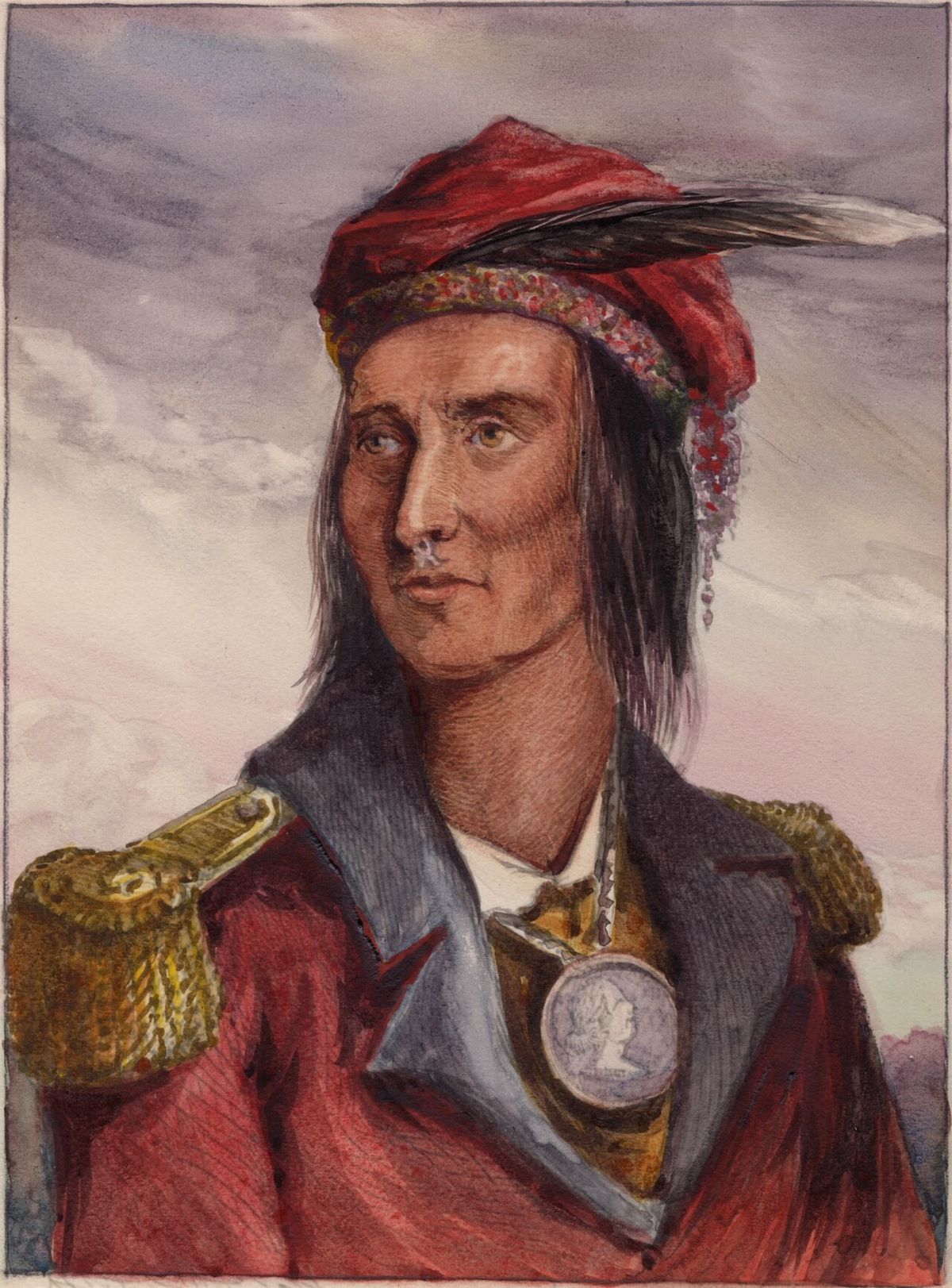
The Siege of Detroit, also known as the Surrender of Detroit, was a critical early engagement in the War of 1812. In August 1812, a combined British and Indigenous force under Major General Isaac Brock and Shawnee leader Tecumseh captured the American fort and town of Detroit through a masterful use of psychological warfare and bluff. The stunning American capitulation, despite their numerical superiority, secured British control over the Michigan Territory for over a year and dramatically boosted morale in Upper Canada. The event remains a significant chapter in the military history of the Great Lakes region, illustrating the complex alliances and strategic gambits that defined the conflict.
Background and American Invasion Plans
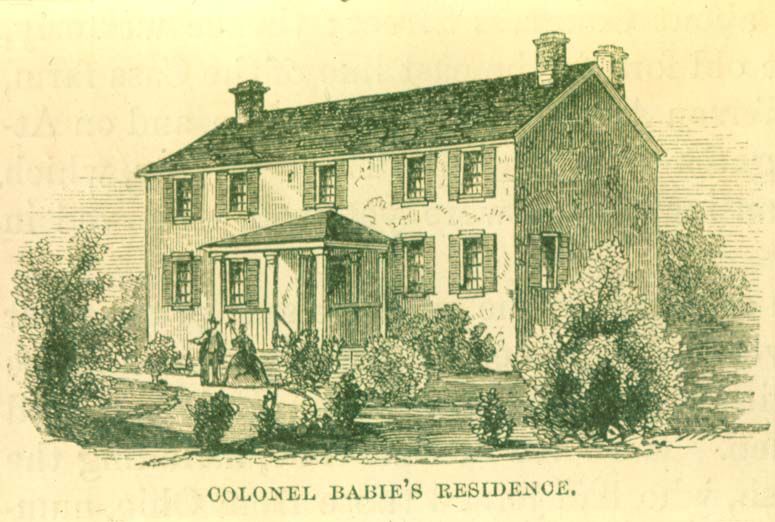
As war loomed between the United States and Great Britain in early 1812, American strategists identified Detroit as a key frontier outpost. William Hull, the governor of the Michigan Territory, was appointed a brigadier general and tasked with leading an army to secure the region and potentially invade Upper Canada. His force consisted of three regiments of Ohio militia and the 4th Infantry Regiment. The arduous march from Ohio to Detroit, which involved forging a road through the Great Black Swamp, left his troops exhausted and poorly supplied. Hull was unaware that war had been declared when his schooner, the Cayahoga, was captured by the British on 2 July, along with vital supplies and dispatches. Upon reaching Detroit on 5 July, Hull found the garrison short of provisions, relying on the local inhabitants for only soap and whisky. Despite these challenges and his own reservations, he obeyed orders to cross the Detroit River, occupying the Canadian settlement of Sandwich on 12 July.
Hull issued proclamations urging the Canadian militia to abandon the British cause, but met with limited success. His advance stalled near Amherstburg, where a British fort was defended by regulars, militia, and Indigenous warriors. Hull decided he could not attack without artillery, the carriages for which were in disrepair. Meanwhile, the British capture of the remote post at Mackinac Island on 17 July swung previously neutral Indigenous tribes in the region toward the British, threatening Hull's northern flank. The American general's position grew increasingly precarious as his long supply line along the Detroit River and Lake Erie came under attack. A war party led by Tecumseh ambushed an American detachment at the Battle of Brownstown on 4 August, further isolating Detroit. Hull began withdrawing his forces from Canada back to Detroit on 8 August, a move that sparked dissent and a loss of confidence among his officers.
British Mobilization and Brock's Gambit
In Upper Canada, Major General Isaac Brock faced the daunting task of defending a vast frontier with limited regular troops. Upon learning of the declaration of war, he immediately dispatched warnings to key outposts. After dealing with a reluctant provincial legislature in York, Brock set out for the Detroit frontier on 6 August with a small force of 50 regulars and 150 militia volunteers. He was later joined by additional militia and 60 warriors from the Six Nations of the Grand River led by John Norton. Travelling by boat along Lake Erie, Brock arrived at Fort Amherstburg on 13 August. There, he quickly conferred with the local commander, Colonel Henry Procter, and most importantly, established a strong rapport with the Shawnee leader Tecumseh. Brock studied captured American dispatches which revealed Hull's low morale, supply shortages, and fear of Indigenous warriors.
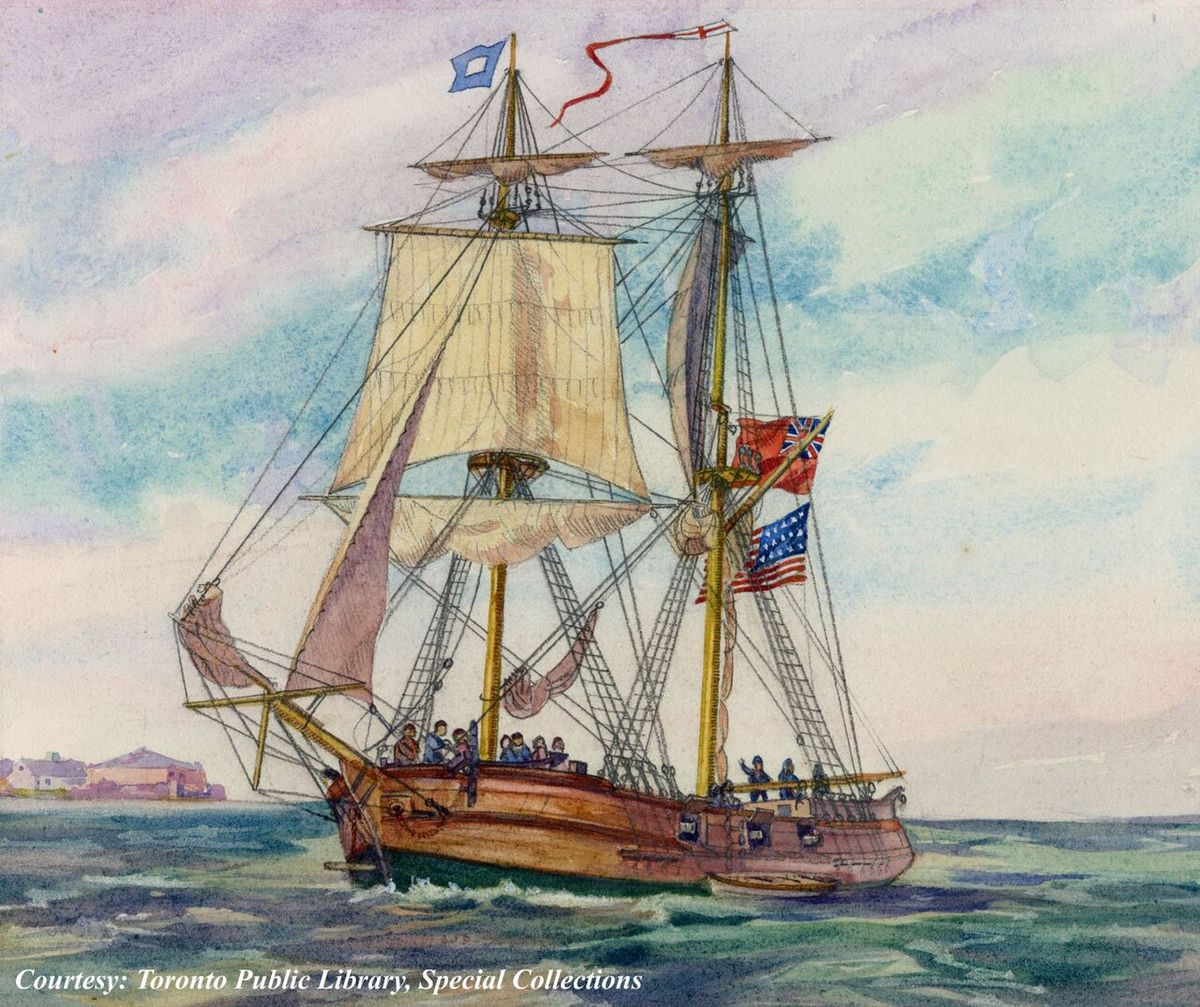
Against the advice of most of his subordinates, who favoured a defensive posture, Brock decided on an immediate and audacious attack on Detroit. He believed Hull's army was demoralized and vulnerable to a bold stroke. To strengthen his hand, Brock employed deception, having his militia volunteers wear cast-off red coats to make his force appear larger and more professional from a distance. He also ordered the construction of an artillery battery at Sandwich, directly across the river from Fort Detroit. This battery, along with the armed vessels of the Provincial Marine, would provide supporting fire for the assault. Brock's plan relied on bluff and intimidation as much as military force, aiming to capitalize on the American commander's known anxieties.
The Siege and Surrender
The confrontation began on 15 August when Brock sent a demand for surrender to Hull, warning that once battle commenced, he might be unable to control his numerous Indigenous allies. Hull refused, and the British batteries opened fire. That night, Tecumseh and approximately 600 warriors crossed the Detroit River undetected and took up positions north of the fort. As they advanced toward the fort, Tecumseh's warriors moved through the woods, creating noise and the impression of a much larger encircling force. The British artillery and naval guns resumed their bombardment. Unbeknownst to Brock, Hull had sent a detachment of 400 men under Colonels Lewis Cass and Duncan McArthur to reopen his supply line, leaving the fort's garrison weakened.
Faced with the advancing British column, the visible Indigenous forces, and the ongoing cannonade, General Hull's resolve collapsed. He was deeply fearful of a massacre, particularly as his daughter and grandchildren were among the civilians in the fort. Despite having stronger defences and artillery that could have responded, he ordered a white flag of surrender raised around 10:00 a.m. without consulting his officers. Brock's aides negotiated the terms of capitulation, and Hull surrendered his entire command. This included not only the garrison at Detroit but also the absent detachment under Cass and McArthur, and control of the Michigan Territory. British troops marched into the fort, lowered the American flag, and raised the Union Jack.
Casualties, Captures, and Consequences
The British bombardment killed seven American soldiers during the siege. In the surrender, the British captured 582 American regulars as prisoners of war and paroled 1,606 militiamen, who were escorted home. The material prize was immense, providing critical supplies for the defence of Upper Canada. The captured arsenal included 35 artillery pieces, 2,500 muskets and bayonets, 500 rifles, and 69 barrels of gunpowder. The Americans also lost the armed brig Adams, which the British renamed HMS Detroit. For the United States, the surrender was a catastrophic blow to morale and a major strategic setback. General Hull was later court-martialed, found guilty of cowardice and neglect of duty, and sentenced to death, though President James Madison commuted the sentence.
The victory had immediate and far-reaching effects. It reinvigorated the militia and civilian population of Upper Canada, who had been pessimistic about the war's prospects. It also cemented the alliance with Tecumseh and inspired many other Indigenous nations in the Old Northwest to take up arms against the United States. The British held Detroit for more than a year, but their control ended after the American naval victory at the Battle of Lake Erie on 10 September 1813. This severed British supply lines, forcing them to abandon Detroit and Amherstburg. The subsequent American advance led to the Battle of the Thames in October 1813, where Tecumseh was killed and British power in the region was broken.
Key Figures in the Conflict
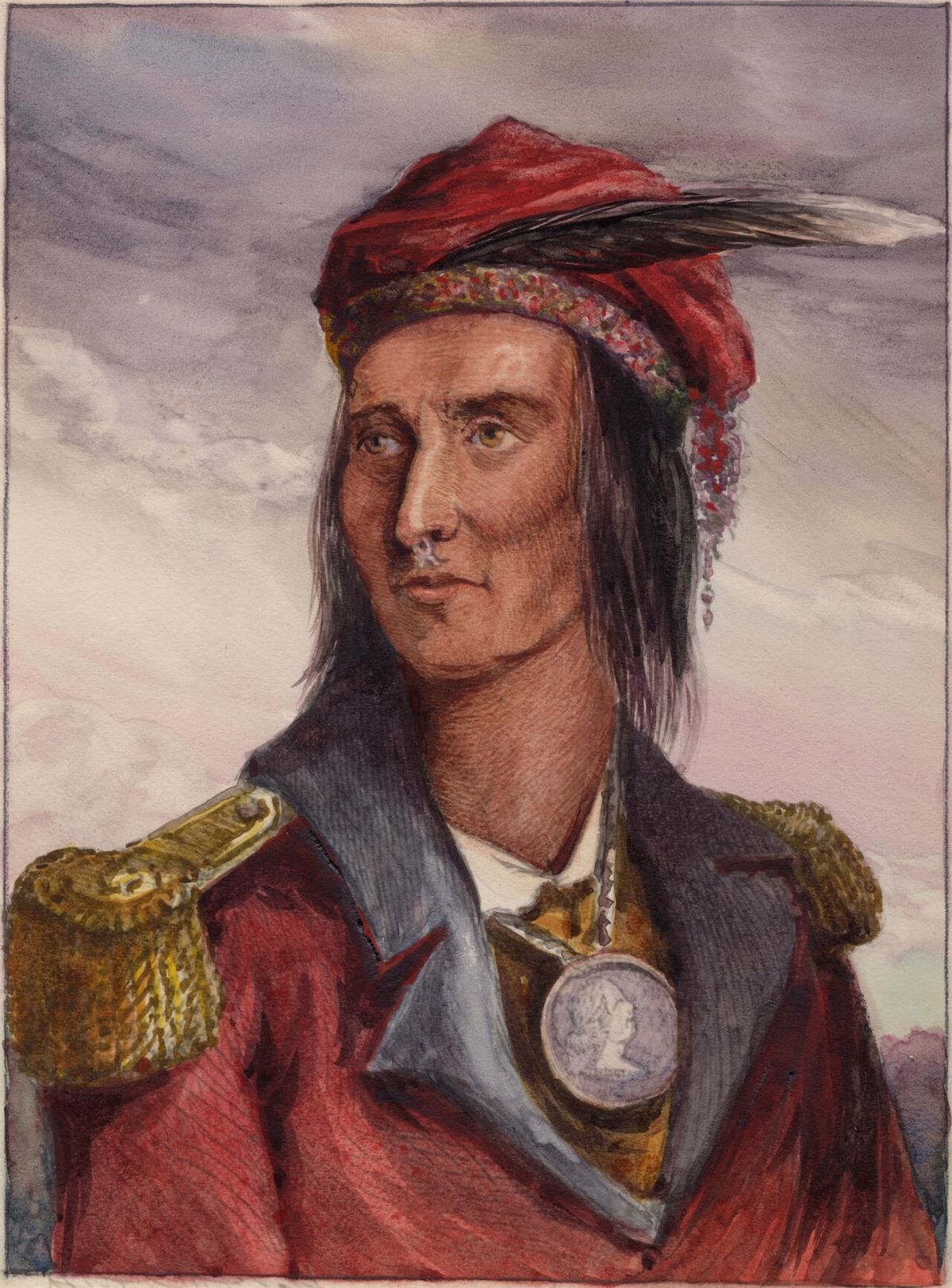
The Siege of Detroit hinged on the decisions and personalities of a few central commanders. Their actions and interactions directly shaped the event's outcome. Major General Isaac Brock was the British commander whose bold decision to attack, use of deception, and rapport with Tecumseh were instrumental in the victory. Tecumseh was the Shawnee leader whose warriors provided crucial military pressure and psychological intimidation, causing Hull to fear a massacre. Brigadier General William Hull was the American commander whose indecision, poor logistics, and collapse of nerve led to the surrender despite his numerical advantage. Colonel Henry Procter served as the British commander at Amherstburg who initially advised against the attack but later assumed command of the Detroit frontier after Brock's departure.
- John Norton (Teyoninhokarawen): A Mohawk war chief who led 60 warriors from the Grand River to support Brock's force.
- Lieutenant Colonel James Miller: American officer who commanded the 4th Infantry and led the failed attempt to reopen the supply line at the Battle of Maguaga.
- Captain John Glegg: Brock's aide-de-camp who delivered the surrender demand and helped negotiate the terms of capitulation.
- Lieutenant Colonel John Macdonell: Another of Brock's aides who assisted with the surrender negotiations at Detroit.
The dynamic between Brock and Tecumseh was particularly notable. Brock's respect for the Shawnee leader, whom he called "a more sagacious and a more gallant Warrior," ensured effective cooperation. Tecumseh's reported exclamation, "Here is a man!" upon meeting Brock, symbolized the mutual trust that made their combined operations so effective. This partnership was a decisive factor in the campaign's success.
Commemoration and Historical Significance
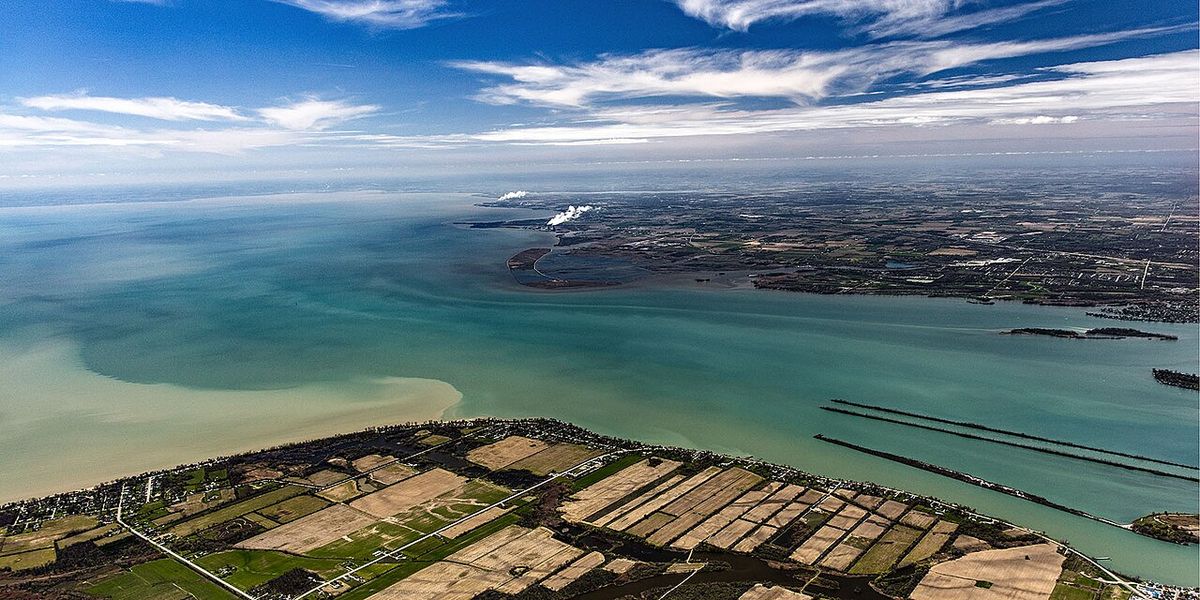
The Siege of Detroit is commemorated as a brilliant example of psychological warfare and a turning point in the early phase of the War of 1812. In Canada, it is remembered as a victory that saved Upper Canada from invasion and bolstered the colony's will to resist. The event is featured in historical displays at museums and heritage sites across Ontario, particularly those focused on the War of 1812. While the physical setting of modern Detroit has transformed, the historical narrative of the siege remains a point of interest for visitors exploring the city's deep roots. The Detroit Riverfront, now a busy public space maintained by the Detroit Riverfront Conservancy, was the strategic waterway central to the events of 1812.
In a broader context, the siege highlights the crucial role of Indigenous alliances in the war's western theatre. Tecumseh's participation was central to British strategy and American fears. The promises Brock made to Tecumseh regarding an Indigenous homeland in any peace settlement, though unfulfilled after Brock's death at Queenston Heights, show the complex political dimensions of the conflict. The victory at Detroit temporarily reversed American expansionist ambitions in the Old Northwest and demonstrated that the British and their allies could strike decisive blows against larger forces. The capture provided weapons and confidence that were essential for the continued defence of Canada.
Timeline of Key Events
The siege was the culmination of a series of moves and countermoves in the summer of 1812. The following chronology outlines the critical steps that led to the surrender. The sequence began with the American declaration of war on 18 June 1812, which Hull learned of only after his supply schooner was captured on 2 July. His occupation of Sandwich on 12 July was followed by the British capture of Fort Mackinac on 17 July, which shifted Indigenous support. Tecumseh's ambush at Brownstown on 4 August and the indecisive Battle of Maguaga on 9 August sealed Detroit's isolation, leading to Hull's withdrawal on 11 August. Brock's arrival at Amherstburg on 13 August set the stage for the final act.
- 15 August 1812: Brock demands Hull's surrender. Bombardment of Detroit begins.
- Night of 15/16 August: Tecumseh and hundreds of warriors cross the Detroit River.
- 16 August, Dawn: Brock's main force crosses the river and advances on the fort.
- 16 August, 10:00 a.m.: Hull raises a white flag and surrenders Detroit, his army, and the Michigan Territory.
The rapid sequence of events from the American invasion to the British capture of Detroit occurred over just six weeks. This demonstrated the fluid nature of frontier warfare in the War of 1812. Momentum shifted dramatically based on factors such as leadership decisions and the use of intelligence. The stunning American surrender on 16 August 1812 completely reversed the initial offensive into Canada. This decisive British victory set the stage for the next phase of conflict in the Old Northwest region.
Questions about Siege of Detroit
What role did Tecumseh play in the Siege of Detroit?
Tecumseh played a crucial military and psychological role. His warriors ambushed American supply columns, isolating Detroit. During the siege itself, he led hundreds of warriors across the river, where their movements through the woods made the Indigenous force appear larger and contributed to Hull's fear of a massacre. His alliance with and respect for Brock were key to the coordinated British-Indigenous strategy.
What happened to General Hull after the surrender?
William Hull was sent to Quebec as a prisoner of war before being exchanged. He faced a court-martial in January 1814, where he was found guilty of cowardice and neglect of duty and sentenced to death. President James Madison commuted the death sentence due to Hull's service in the American Revolutionary War. Hull defended his actions by claiming he had saved Detroit from "the horrors of an Indian massacre."
What was the significance of the Siege of Detroit for Canada?
The victory was of immense significance for Upper Canada. It thwarted an American invasion at its outset, captured vast quantities of weapons used to equip the Canadian militia, and dramatically improved civilian and military morale. The success also solidified the vital alliance with Tecumseh's confederacy, which continued to be a major factor in the war in the west. It is remembered as a classic example of successful defence through audacity and psychological warfare.
Who won the Siege of Detroit in the War of 1812?
The Siege of Detroit was a decisive British victory. A British force under Major General Isaac Brock, with Shawnee leader Tecumseh's Indigenous warriors, used bluff and deception to intimidate American Brigadier General William Hull into surrendering on 16 August 1812. Hull surrendered the fort and town of Detroit, the Michigan Territory, and his entire army, which actually outnumbered the attackers. This victory reinvigorated the militia and civilian population of Upper Canada and inspired many Indigenous tribes to take up arms against the Americans. The British held Detroit for more than a year before their naval defeat at the Battle of Lake Erie forced them to abandon the post.
Why did General William Hull surrender Detroit?
General William Hull surrendered Detroit primarily due to fear of an Indigenous massacre and low morale. Brock's demand for surrender warned that his numerous Indigenous allies would be "beyond my control" once fighting began. Hull was responsible for hundreds of civilians, including his daughter and grandchildren, and feared for their safety. He also lacked confidence in his men, believed he was outnumbered, and his army suffered from shortages of supplies. Despite having a strong defensive position, after several soldiers were killed in the British artillery bombardment, Hull decided surrender was the only option to avoid a slaughter.
How long did the British hold Detroit after capturing it?
The British held Detroit for more than a year after capturing it in August 1812. Their control of the fort and the Michigan Territory lasted until late September 1813. The key event that ended British occupation was the American naval victory at the Battle of Lake Erie on 10 September 1813. With their supply route severed, the British commander, Colonel Henry Procter, was forced to abandon Detroit and Amherstburg. He then began a withdrawal up the Thames River, where he was later defeated at the Battle of the Thames.
Sources and further reading
- Siege of Detroit (Wikipedia)
- Capture of Detroit, War of 1812 (thecanadianencyclopedia.ca)
Checked by the Novello Desserts desk. Last updated 2026-10-30.