BeaverTails
BeaverTails is a Canadian restaurant chain specializing in a distinctive fried dough pastry of the same name, individually hand-stretched to resemble the flat, paddle-shaped tail of a beaver. Founded in 1978 in Killaloe, Ontario, by Grant and Pam Hooker, the company has grown from a single fair stall to an international franchise with locations across Canada and in several other countries. The pastries, a common sight at Canadian fairs and winter festivals, are known for their crispy, golden exterior and soft, chewy centre, typically served warm with a variety of sweet or savoury toppings. The brand holds a notable place in Canadian culture, famously served at the Canadian embassy during a U.S. presidential inauguration and enjoyed by skaters on Ottawa's Rideau Canal Skateway.
Origins and Company History
The BeaverTails company originated from a family recipe for fried dough belonging to Grant Hooker's German grandmother. In 1978, Grant and his wife Pam Hooker first sold the pastries commercially at the Killaloe Craft and Community Fair in Killaloe, Ontario, turning a family tradition into a business venture. The business operated as a family enterprise for its early years, with key management changes occurring later. Pino Di Ioia began working with the company in 1987 when he accepted a summer position as manager of the BeaverTails location at the La Ronde amusement park in Montreal. In 2002, Di Ioia, along with his wife and twin brother, took over the management of BeaverTails Canada Inc., guiding its subsequent franchise expansion. The names "BeaverTails" and "Queues de Castor" have been registered as trademarks by the company and its affiliates since 1988, legally protecting the brand identity across its markets.
Product Description and Preparation
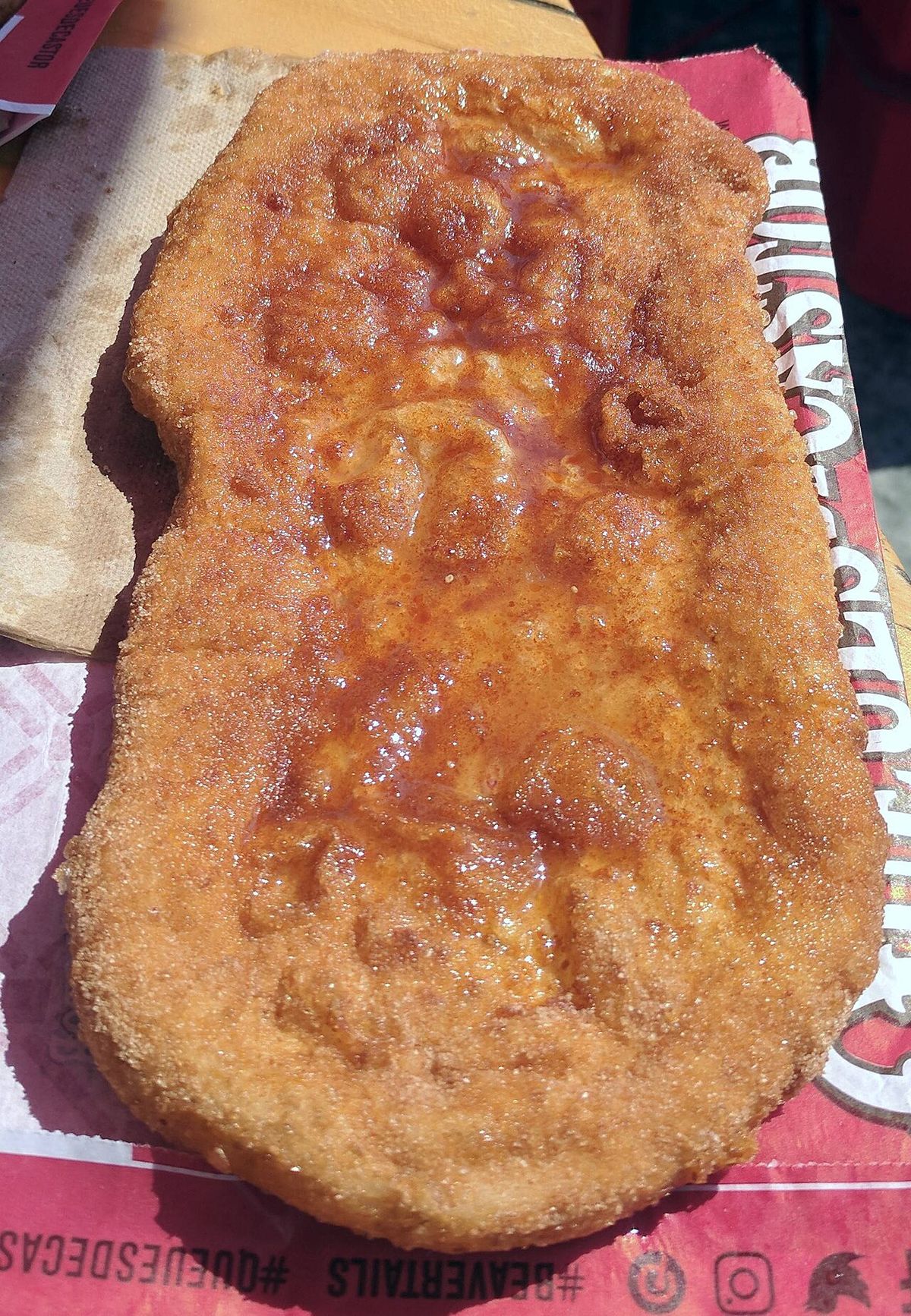
A BeaverTail pastry is made from a whole wheat dough that is proofed, divided, and then individually hand-stretched into a thin, oval shape designed to mimic a beaver's tail. Before frying, the dough is often scored with a knife to create a crosshatch or square pattern on the surface, further enhancing the visual resemblance to the animal's distinctive tail. The pastries are deep-fried in oil such as canola until golden brown and crisp, then typically coated or topped while still warm to ensure toppings adhere properly. The classic and most common preparation involves rolling the warm pastry in a mixture of cinnamon and sugar, resulting in a treat that balances a crunchy exterior with a soft, airy, and chewy interior. The company emphasizes that its pastries are made with simple, pantry-staple ingredients, including yeast, sugar, warm milk, butter, salt, vanilla, egg, and oil, prepared into a dough that is allowed to rise before shaping and frying. This process, from activating the yeast to the final fry, is designed to create a light and airy dough with a crispy exterior that is not overly sweet on its own, allowing the toppings to define the flavour profile.
Menu and Topping Variations
While the cinnamon-sugar version remains the foundational classic, BeaverTails Canada Inc. has developed an extensive menu of sweet and savoury topping variations over the decades. The sweet offerings often feature combinations of spreads, sauces, and confections, creating decadent dessert pastries that go beyond the simple sugar coating. The savoury menu expands the concept into more substantial snack and meal items, often utilizing the fried pastry as a unique base or wrapper for other foods. The company also offers a range of companion items, including hot beverages, ice cream, and other fried snacks, creating a full service menu at its locations that aims to provide options for a quick snack, a sweet fix, or a comforting meal.
Sweet topping variations for BeaverTails pastries are numerous and include classic options like cinnamon sugar and real maple butter with maple sugar crunch. Other popular choices involve chocolate hazelnut spread with a dusting of icing sugar or vanilla icing paired with crushed Oreo cookies and chocolate sauce. Creative combinations feature cheesecake spread with strawberry jam and Graham cracker crumbs or Skor bits with caramel sauce. These sweet options complement the savoury items on the menu, providing a wide range of flavours for customers.
- Chocolate hazelnut spread with a dusting of icing sugar.
- Vanilla icing, crushed Oreo cookies, and chocolate sauce.
- Real maple butter, maple sugar crunch and chocolate sauce.
- Cheesecake spread, Skor bits, and caramel sauce.
- Chocolate hazelnut spread, peanut butter, and Reese's Pieces.
- Cheesecake spread, strawberry jam, and Graham cracker crumbs.
- A variation featuring vanilla icing and a slice of McCain Deep’n Delicious Chocolate Cake.
Savoury and other innovative menu items include several distinct product lines. The BeaverDog is an all-beef hot dog wrapped in the signature pastry, available in variations like the Rizzy Glizzy with bacon, crispy onions, maple BBQ sauce, and maple Dijon, or a version with sauerkraut, maple Dijon and chives. The poutine line includes classic poutine served on top of a BeaverTails pastry, as well as loaded versions like the Grand Slam with fries, gravy, cheese curds, sliced hot dogs, bacon, and a drizzle of maple BBQ sauce. Other savoury sides include fries topped with gravy and Canadian cheese curds, augmented with additions like bacon, deep-fried cheese curds, or hot dog pieces. The beverage menu features specialty hot chocolates topped with whipped cream and items like pistachio spread, Oreo cookies, or Skor bits, as well as refreshing iced lemonade beverages sometimes served with a scoop of ice cream.
Expansion and Franchise Operations
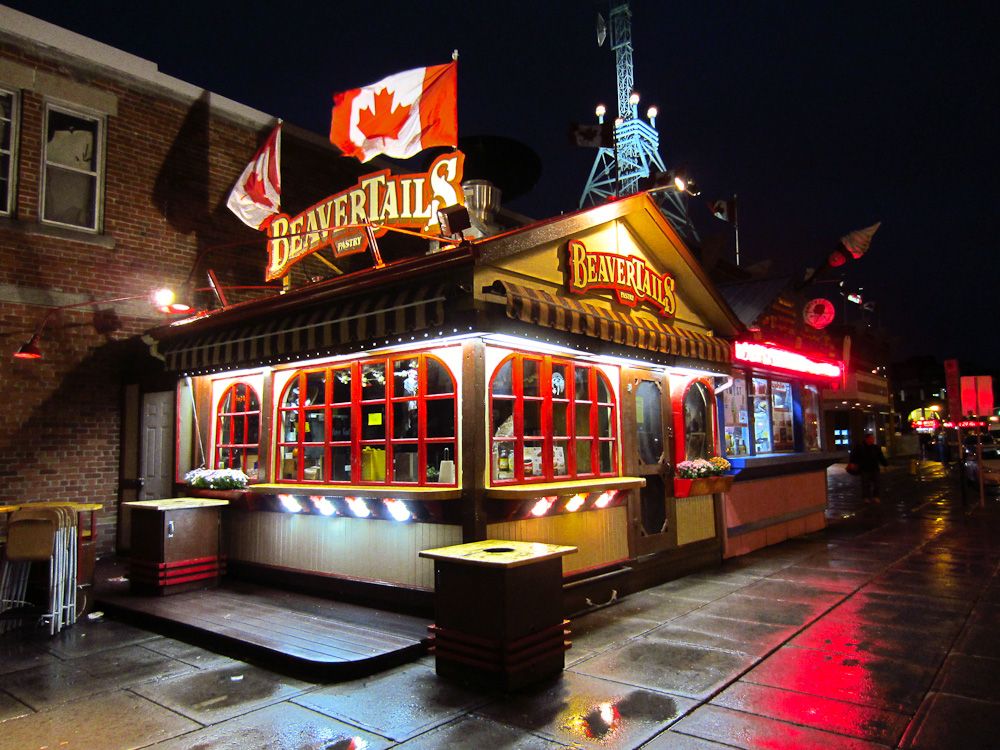
From its single Ottawa stand, BeaverTails has grown into an international franchise operation. By 2018, the company reported 140 franchise and licence locations operating in six countries: Canada, the United States, the United Arab Emirates, Qatar, Mexico, France, and Japan. Within Canada, locations span from coast to coast, including the Maritimes, Newfoundland and Labrador, Quebec, Ontario, Manitoba, Alberta, and British Columbia, with a notable presence in Nunavut. In Quebec, the product is marketed under the French trademark Queues de Castor. International expansion has seen BeaverTails open in the United States in states like New Hampshire, Michigan, Wisconsin, Tennessee, Arkansas, and Utah. The brand is commonly found in high-traffic leisure destinations such as ski hills, waterfronts, amusement parks like La Ronde, and historic downtown markets, capitalizing on its status as a festival and comfort food. The company promotes its presence at events like Food Truck Wars 2025 and encourages orders for pickup or delivery from its locations. BeaverTails has also entered the retail grocery sector, selling packaged treats and specialty products like hot chocolate mixes at select retailers and supermarkets nationwide for home consumption, extending its reach beyond physical storefronts.
Cultural Significance and Media Profile
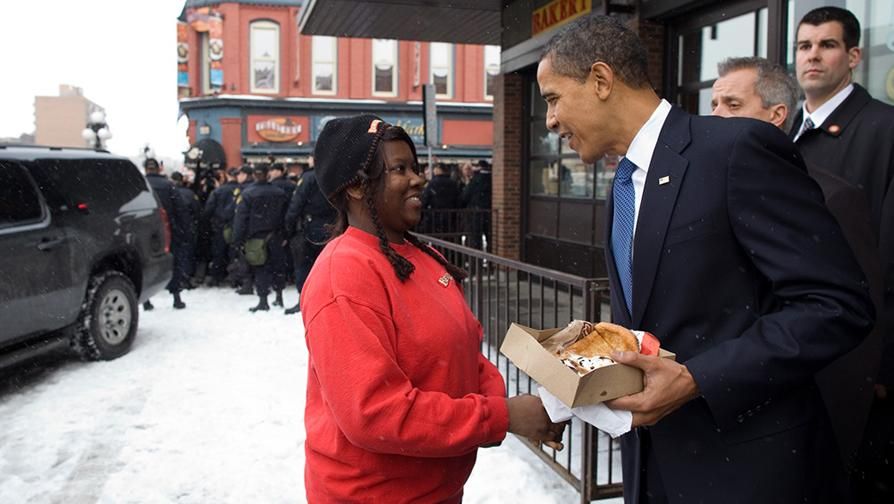
BeaverTails has transcended its status as a mere food item to become a recognizable symbol of Canadian culture and culinary identity. It is intrinsically linked to Canadian winter traditions, most famously as a treat for skaters on the 7.9-kilometre Rideau Canal Skateway in Ottawa, where a common tradition holds that skating the canal end-to-end earns a BeaverTail. The pastry gained significant international media attention in January 2009 when it was served at the Canadian embassy in Washington, D.C., during the first inauguration of U.S. President Barack Obama, cited as an example of Canadian business participation in the event. During his visit to Ottawa on February 19, 2009, President Obama made a stop at the Byward Market location on his way to the airport, purchasing a pastry and some maple leaf-shaped cookies that subsequently became known as "Obama cookies". In honour of the visit, the company created a special 'Obama Tail', a cinnamon-sugar pastry decorated with maple-flavoured eyes and a Nutella 'O'. This event cemented the BeaverTail's place in the pop culture landscape as an edible ambassador of Canada, with the product being mentioned in newscasts in the lead-up to the presidential visit.
Home Preparation and Recipe Adaptations
The widespread popularity of BeaverTails has inspired numerous home cooks and food writers to create their own versions using published recipes, often described as bringing the scent of summer fairs or winter festivals into the home kitchen. Common homemade adaptations involve making a yeast-leavened dough with pantry staples, allowing it to rise in a warm place until doubled, shaping it into ovals about a quarter-inch thick, and frying it in hot oil for two to three minutes per side. Key tips for home preparation include ensuring ingredients are warm to activate the yeast, lightly flouring hands to handle the dough, and immediately dipping the fried pastries in cinnamon sugar while they are still warm. Some recipes offer baked alternatives to deep-frying for a lighter preparation, using an oven set to 350 degrees Fahrenheit and brushing the shaped dough with olive oil before a cinnamon-sugar dusting. Home chefs are encouraged to experiment with toppings, setting up 'BeaverTail bars' with various spreads, fruits, nuts, marshmallows, and candies for customization, with popular suggestions including a squeeze of fresh lemon juice (known as a Killaloe Sunrise), peanut butter, Nutella, or sliced banana. Food writers note that the pastries are suitable for dessert, breakfast, brunch, or gatherings like game days and Super Bowl parties, and that the dough can be made in a bread machine using a dough cycle, with adjustments for flour added during kneading if the dough appears too wet.
Allergen Information and Dietary Considerations
BeaverTails Canada Inc. provides detailed allergen information for its customers due to the wide range of ingredients used in its kitchen and the potential for cross-contamination. The company states that while it offers some vegan-friendly options, its facilities are not certified vegan and cross-contamination with allergens is possible. Its products or ingredients may contain or come into contact with common allergens including peanuts, nuts, milk, butter, eggs, wheat, soy, and tropical oils. Some menu items also contain meat products. The company advises customers with food allergies or dietary restrictions to review the allergen icons displayed on its menus, click on product details for full information, and consult with a staff member before ordering, as ingredient availability and formulations can vary by location. This policy highlights the importance of communication for guests with specific dietary needs, given the shared cooking environment where items like the peanut butter and Reese's Pieces topping or the various cheese and meat products are prepared.
Comparable Canadian Treats and Market Position
BeaverTails occupies a specific niche within the Canadian food service landscape, often categorized alongside doughnut shops, coffeehouse chains, and other specialty pastry vendors. It is distinct from traditional doughnuts due to its hand-stretched, oval shape and its common serving method as a large, shareable or individually substantial flat pastry. The product is frequently referenced as a classic Canadian carnival and fair food, akin to other fried dough treats but with its own unique preparation and branding. The company's expansion into savoury items like poutine and hot dog wraps further differentiates it from typical sweet pastry shops, positioning it as a provider of hearty snacks and meals. Its presence at major tourist attractions and seasonal events aligns it with the experience economy, where consuming a BeaverTail is often part of a larger leisure activity like skating or visiting a market. The table below illustrates the breadth of its menu categories compared to a typical focus of similar establishments.
| Menu Category | BeaverTails Examples | Typical Pastry Shop Focus |
|---|---|---|
| Sweet Pastries | Cinnamon Sugar, Maple Butter, Oreo | Doughnuts, Muffins, Croissants |
| Savoury Meals | BeaverDog, Poutine on Pastry | Savory Pies, Sandwiches |
| Dessert Toppings | Cheesecake Spread, Skor Bits | Icing, Sprinkles |
| Companion Beverages | Specialty Hot Chocolates | Coffee, Tea |
| Retail Products | Packaged Pastries, Hot Chocolate Mix | Whole Beans, Gift Baskets |
Questions about BeaverTails
What is a BeaverTails pastry?
A BeaverTails pastry is a Canadian fried dough pastry, individually hand-stretched to resemble a beaver's tail. It is a whole wheat pastry that is fried and can be coated in cinnamon sugar or topped with various sweet or savoury toppings. The pastry has a light and airy dough with a crispy, golden-brown exterior. It is a classic Canadian treat commonly found at fairs, carnivals, and winter festivals.
Where was the first BeaverTails location?
The first BeaverTails pastries were sold at the Killaloe Craft and Community Fair in Killaloe, Ontario, in 1978. The first permanent store opened two years later in Ottawa's Byward Market. The business was started by Grant and Pam Hooker, who turned a family recipe into a corporate enterprise. This Ottawa location became the foundation for the chain's subsequent national and international expansion.
What are some popular BeaverTails toppings?
Popular sweet toppings include classic cinnamon sugar, chocolate hazelnut spread, and vanilla icing with crushed Oreo cookies. Savoury variations include poutine served on top of the pastry or the BeaverDog, which is an all-beef hot dog wrapped in the pastry. Other notable toppings are real maple butter with maple sugar crunch and cheesecake spread with Skor bits and caramel sauce. The menu frequently introduces new items like the Rizzy Glizzy BeaverDog.
Is BeaverTails only in Canada?
No, BeaverTails has expanded internationally. As of 2018, the franchise operated 140 locations in six countries. While most locations are in Canada, you can also find BeaverTails in the United States, the United Arab Emirates, Qatar, Mexico, France, and Japan. In Quebec, the product is sold under the French name Queues de Castor, and it appears at events worldwide like Food Truck Wars.
Why did BeaverTails get media attention in 2009?
BeaverTails received media attention when it was served at the Canadian embassy during the first inauguration of U.S. President Barack Obama. During his visit to Ottawa in February 2009, President Obama stopped at the Byward Market to buy a BeaverTails pastry. A special variation called the "Obama Tail" was created in honour of his visit. This event was covered by news media in both Canada and the United States.
Can I buy BeaverTails in grocery stores?
Yes, you can buy BeaverTails products in grocery stores. The company sells its treats and specialty products at select retailers and supermarkets nationwide. This allows customers to enjoy BeaverTails at home without visiting a physical franchise location. The availability of these products may vary by location across Canada.
Sources and further reading
- BeaverTails (Wikipedia)
- Pastries and more | BeaverTails (beavertails.com)
Checked by the Novello Desserts desk. Last updated 2026-10-30.