Cheese curd
Cheese curds are moist, bite-sized pieces of fresh, unaged curdled milk, celebrated for their distinctive squeaky texture when bitten. In Canada, they are a fundamental ingredient in the dish poutine and are widely enjoyed as a snack across the country. Their production is a key step in cheesemaking, capturing cheese in its freshest, most immediate form before pressing and aging. The enjoyment of cheese curds, whether plain, flavoured, or deep-fried, is a culinary tradition with deep roots in Quebec and the broader North American Midwest.
Production and Characteristics
The creation of cheese curds begins with fresh, pasteurized milk to which a cheese culture and rennet are added to initiate curdling. The resulting solid mass is cut into cubes, creating a mixture of curds and liquid whey. This mixture is then cooked and pressed to separate the whey, yielding the final moist curds. This process is essentially the initial stage of making harder cheeses like cheddar, halted before the pressing and aging phases. The simplicity of the process means homemade curds are a project for experienced home cheesemakers, requiring precise temperature control and sanitation, as the recipe assumes basic cheesemaking knowledge and proper equipment for sanitization.
Fresh cheese curds possess a mild, milky flavour that can vary slightly based on the specific culture and milk used. Their colour spectrum ranges from white to yellow and even orange, often influenced by the addition of annatto. The defining physical characteristic is their unique texture, described as springy or rubbery, with a firmness and density comparable to fresh mozzarella. The most celebrated trait, however, is the audible squeak produced when biting into a very fresh curd, caused by elastic protein strands rubbing against tooth enamel. This squeakiness is highly perishable, often fading within 12 to 24 hours even under refrigeration, though briefly microwaving older curds can sometimes revive it. The New York Times has described the sound as similar to "balloons trying to neck".
Culinary Uses and Popularity in Canada
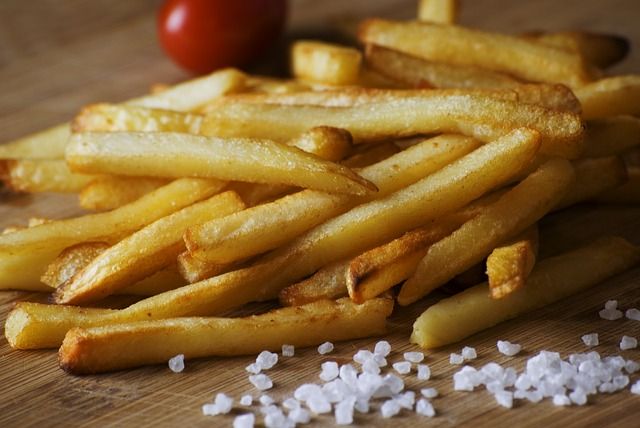
In Canada, cheese curds are a versatile food item consumed in multiple ways, with their most famous application being the dish poutine. Originating in rural Quebec in the 1950s, classic poutine consists of hot french fries topped with fresh cheese curds and smothered in a rich brown gravy. The heat from the fries and gravy gently warms the curds, causing them to soften without fully melting, which is central to the dish's appeal. The global popularity of poutine, as noted by food scholar Sylvain Charlebois in his book Poutine Nation, has significantly raised the international profile of cheese curds, though they existed long before the dish. Some in Quebec view the broader Canadian adoption of poutine as a form of cultural appropriation, though its exact birthplace within the province remains debated.
Beyond poutine, cheese curds are commonly enjoyed as a simple snack or appetizer, eaten plain at room temperature to appreciate their fresh squeak. They are also frequently dressed with various flavourings such as garlic, dill, jalapeño peppers, or Cajun seasoning, with garlic and dill on cheddar curds being a popular combination. Creative culinary uses continue to expand, with curds being incorporated into salads, used as a pizza topping in place of mozzarella, or even added to fusion dishes like Palak Paneer as a substitute for paneer. Their mild saltiness also pairs well with sweet accompaniments, such as blueberry preserves on a biscuit, an idea promoted by Wisconsin Cheese's Chief Marketing Officer Suzanne Fanning. For cocktail garnishes, curds can be skewered or stuffed into olives, adding a savoury note to drinks like Bloody Marys or martinis. They are also served by Russian Mennonites as part of a traditional light lunch called faspa.
Deep-Fried Cheese Curds
Deep-fried cheese curds represent a beloved preparation method, especially popular at fairs, carnivals, and casual dining establishments across North America. This style is particularly prevalent in the American Midwest, including Wisconsin and Minnesota, where they are a signature bar snack and regional specialty. The frying process transforms the curds, creating a contrast between a crispy exterior and a soft, melted interior. In many regions where this style is dominant, the term "cheese curds" alone is often understood to mean the fried variety, with fresh ones specified as "plain" or "raw". In some areas, deep-fried cheese curds are also known as cheeseballs, whereas in Wisconsin they are usually referred to simply as fried curds.
The preparation involves coating the curds before frying, with two primary regional styles emerging. Wisconsin style typically uses a seasoned breading, similar to that used for other fried foods, which adheres to the curd and fries to a golden brown. Minnesota style, in contrast, often employs a light batter, comparable to onion ring batter, which puffs up during frying. Both methods result in a hot, gooey, and indulgent treat commonly served with dipping sauces like ketchup, marinara sauce, or ranch dressing. The pursuit of the perfect fried cheese curd is a point of local pride and conversation in areas where they are a staple, with Fanning noting that within Wisconsin, a common topic is who makes your favourite fried cheese curds. Chain restaurants of local origin, such as Culver's and Dairy Queen, often feature them on their menus.
Acquiring, Storing, and Making Fresh Curds
The quality of cheese curds is intrinsically linked to their freshness, with connoisseurs considering the first 24 hours after production as the prime window for consumption. In regions with strong curd cultures, such as Wisconsin, enthusiasts will seek out curds directly from cheesemakers or farmers' market stands, sometimes purchasing them still warm from production with drops of condensation inside the bag from the steam. The telltale sign of peak freshness is the audible squeak when bitten, a quality that diminishes rapidly as the curds lose moisture and absorb it from the air. For optimal squeakiness, some aficionados recommend storing curds at room temperature rather than refrigerated, though this shortens their overall shelf life. After the first day, cheese curds are still tasty but lose their transcendent fresh quality, an experience Fanning likens to the difference between a doughnut fresh from the fryer and one that has sat for hours.
If squeakiness fades, a brief heating in a microwave for a few seconds can sometimes temporarily restore the elastic texture. Beyond their prime fresh state, cheese curds remain edible and tasty for use in cooked dishes. Their relatively high cost, often comparable to finished aged cheese, is sometimes noted by consumers, given that they are an intermediate product requiring less processing. For those unable to source fresh curds locally, making them at home is an option, though it requires specific cheesemaking knowledge, ingredients like mesophilic culture and rennet, and careful temperature management throughout the curdling and pressing process. Home recipes, such as one from cookbook author Emillie Parrish updated in October 2026, note that squeaky cheese curds are a good starting point for experimenting with hard cheese making as they involve all the steps of cheddar without the aging process, eliminating the need for a proper cheese press or aging space. The recipe is not beginner-friendly and requires knowledge of how to sanitize equipment and measure weights for pressing.
Cultural Significance and Events
Cheese curds hold a place of cultural significance in both Canada and parts of the United States, symbolizing regional dairy traditions and casual, comforting cuisine. In Quebec, they are a source of provincial pride and a key component of its culinary identity through poutine. Across the border in the American Midwest, particularly Wisconsin, they are celebrated as a local delicacy and a point of introduction for visitors, often described with affectionate curiosity by those unfamiliar with them. Fanning notes that out-of-towners view them as "like a mythical creature" unavailable back home, and she always serves them to company from out of town. The food acts as a cultural touchstone, with its consumption and discussion fostering a sense of community among enthusiasts.
The popularity of cheese curds is further cemented by dedicated events and recognitions. In the United States, October 15 is officially recognized as National Cheese Curd Day, an annual celebration of the snack noted in web materials from 2026. The day prompts promotional events, recipe sharing, and increased appreciation for the product. The economic scale of production is notable, with a substantial amount of milk required to create a modest amount of curds. Approximately ten pounds of milk is needed to produce just one pound of cheese curds. This ratio highlights the dairy-intensive nature of their production and their connection to agricultural regions. The origin of cheese curds is traced to Quebec in the 1960s, a period when the province had an excess of milk that provided an opportunity to experiment with different cheeses.
Recipe Ideas and Adaptations
While poutine remains the most famous vehicle for cheese curds, their mild flavour and pleasant texture make them adaptable to a wide array of dishes. They can be used as a simple, no-cook addition to green salads, providing bursts of creamy saltiness, a preparation that can take as little as 15 minutes. For a warm application, they make an excellent pizza topping, melting beautifully to create a gooey, stretchy layer, as noted in recipes describing them as perfect for pizza. In pasta dishes, they can be stirred into hot sauces just before serving to soften slightly. Their irregular shapes also make them ideal for skewering as part of an appetizer platter, perhaps paired with cherry tomatoes, basil leaves, and cured meats in a Caprese-style presentation. A popular alternative to classic poutine involves using crispy roast potatoes instead of fries, topped with chunks of cheese curds or firm mozzarella and a simple beef-flavoured gravy, a method described by food writer Jim Dixon who prefers the flavour of fresh potatoes.
- Salads: Toss fresh curds into a mixed green salad for added protein and texture, as suggested in a recipe from Kitchen Genius by Boomette.
- Fusion Cooking: Substitute paneer with cheese curds in Indian dishes like Palak Paneer, using a recipe from food blogger Manali.
- Brunch: Serve curds alongside biscuits with fruit preserves or as a garnish for savoury cocktails like Bloody Marys, using skewers of alternating white and yellow curds for visual appeal.
- Roasted Potato Bowls: Create a poutine-inspired dish using crispy roasted potatoes topped with curds and gravy, a method described by food writer Jim Dixon.
- Deep-Fried Appetizer: Bread or batter curds and deep-fry for a classic fair-style snack, using a recipe from Food Network.
- Skewers: Thread curds with small smoked sausages or pieces of cured pork on toothpicks for easy finger food.
These applications demonstrate the versatility of cheese curds beyond their traditional roles as a snack or in poutine. Home cooks can experiment by adding cheese curds to dishes like salads, pizza, and pasta. The key in most cooked applications is to add the curds at the end of the cooking process to preserve their distinct texture. This allows them to warm through without dissolving completely into the dish. For those making curds at home, the target pH range for proper melting in dishes like poutine is between 5.5 and 5.1.
Commercial Availability and Consumer Tips
Cheese curds are available through various retail channels, including grocery stores, specialty cheese shops, and farmers' markets, particularly in regions with a strong dairy industry. In Canada, retailers like Meinhardt's in Vancouver have promoted cheese curds for use in recipes beyond poutine. The product is often sold in sealed bags, and consumers are advised to check for freshness by noting the presence of the characteristic squeak. Because the squeak diminishes so quickly, some cheesemakers and retailers may label or market curds with the date of production. The emphasis on freshness is a primary reason cheese curds are less commonly found far from their production regions, as their quality declines during transport and storage.
When purchasing cheese curds, consumers may encounter both white and yellow or orange varieties, with the colour difference typically stemming from the use or absence of a natural colouring agent like annatto. For culinary use, the colour does not affect flavour. Price can be a point of discussion, as curds are sometimes seen as costly given they are an unfinished product. Promotional sales, such as the noted special for $3.99 per package in October 2026, can make them more accessible for home cooking experiments. For the best experience eating curds fresh, they should be consumed soon after purchase and are ideally kept at room temperature if being eaten within a few hours to maintain the squeak. The squeak is easily half the fun of eating cheese curds, according to enthusiasts, and its presence is the best indicator of a premium product.
Questions about Cheese curd
Why do cheese curds squeak?
Cheese curds squeak when bitten because of their unique fresh structure. The sound is produced by elastic protein strands within the moist, porous curd rubbing against the enamel of your teeth. This characteristic squeak is a sign of extreme freshness and is most pronounced within the first 12 to 24 hours after the curds are made. As curds age and lose moisture, the squeak diminishes, though it can sometimes be briefly revived by warming the curds in a microwave for a few seconds.
What is the difference between cheese curds and regular cheese?
Cheese curds are the fresh, unaged product obtained during the initial stages of cheesemaking. They are eaten before being pressed into a form and aged. Cheese curds have a high moisture content, a springy texture, and a mild flavour. Regular cheese, such as cheddar, is made by pressing these curds to expel more whey and then aging them. This aging process develops a firmer texture and stronger, more complex flavours.
How long do cheese curds stay fresh and squeaky?
The prized squeaky texture of cheese curds is highly perishable. Under ideal conditions, the squeak is most pronounced within the first 12 hours and generally lasts up to 24 hours after production. Even under refrigeration, moisture migration causes the curds to lose their signature squeak after this period. Some enthusiasts believe storing them at room temperature, rather than in the fridge, can better preserve the squeakiness, though this reduces overall shelf life. After 24 hours, they are still edible but lack the transcendent quality of fresh curds.
Can you make cheese curds at home?
Yes, it is possible to make cheese curds at home, but the process requires specific ingredients and knowledge. The recipe involves heating pasteurized milk, adding mesophilic cheese culture and rennet to curdle it, cutting the curd, cooking it gently, and then draining the whey. The process is similar to making cheddar but stops before the pressing and aging stages. It is not considered a beginner-friendly project, as it requires careful temperature control, an understanding of basic cheesemaking principles, and proper sanitization of all equipment.
What are some ways to eat cheese curds besides poutine?
Beyond poutine, cheese curds can be enjoyed in numerous ways. They are commonly eaten plain as a fresh snack or appetizer. They can be deep-fried with a breading or batter for a crispy treat, added to salads for texture, used as a pizza topping, or incorporated into pasta dishes. They also work well on skewers with other foods, stirred into soups just before serving, or even paired with sweet items like jam for a savoury-sweet brunch dish. They are also used in fusion recipes, such as substituting for paneer in Palak Paneer.
Is there a National Cheese Curd Day?
Yes, National Cheese Curd Day is celebrated annually on October 15 in the United States. The day is dedicated to appreciating this fresh cheese product, often marked by promotions at retailers and restaurants, recipe features, and events, particularly in cheese-producing regions like Wisconsin. It highlights the cultural and culinary significance of cheese curds, especially in the Midwest where they are a cherished local specialty. Web sources from 2026 confirm the continued observance of this day.
Sources and further reading
- Cheese curd (Wikipedia)
- Cheese Curd Recipe Ideas (meinhardtfinefoods.com)
- Cocktails, Salads and More! How to Enjoy Cheese Curds ... (cheeseprofessor.com)
- Homemade Squeaky Cheese Curds (fermentingforfoodies.com)
Checked by the Novello Desserts desk. Last updated 2026-10-25.