Chicken salad
Chicken salad is a versatile dish consisting primarily of chopped or shredded cooked chicken bound with a creamy dressing, most commonly mayonnaise. It is a staple of North American cuisine, enjoyed across Canada as a quick lunch, a light dinner, or a popular sandwich filling. The dish is highly adaptable, with countless regional and personal variations that incorporate ingredients like celery, onions, grapes, nuts, and fresh herbs. Its enduring popularity stems from its simplicity, its use of leftover chicken, and its role in casual dining and meal preparation.
Historical Origins and Development
The concept of chicken salad has deep historical roots on both sides of the Atlantic. An early English recipe appears in Isabella Beeton's influential 19th-century work, Book of Household Management. This version involved placing cold roast chicken on lettuce and drizzling it with a dressing made from mustard, sugar, oil, milk, vinegar, cayenne, and salt, garnished with hard-boiled eggs, cucumber, and beetroot. In the United States, early recipes emerged in Southern cookbooks, establishing the dish's foundational techniques. Sarah Rutledge's The Carolina Housewife: Or, House and Home, published in 1847, includes a detailed recipe titled 'A Salad To Be Eaten With Cold Meat Or Fowl.' This recipe instructs the cook to make a homemade mayonnaise from raw egg yolk, mustard, salt, sweet oil, and vinegar before combining it with cold chicken and seafood. Another significant early American recipe comes from Abby Fisher's 1881 cookbook, What Mrs. Fisher Knows About Old Southern Cooking, which similarly describes making mayonnaise from scratch to dress chicken and celery. The dish's cultural significance was noted as early as 1847, when it was listed among traditional Fourth of July foods in The American System of Cookery. These early iterations highlight the salad's origins as a method for utilizing leftover cooked meats with a freshly prepared, emulsified dressing.
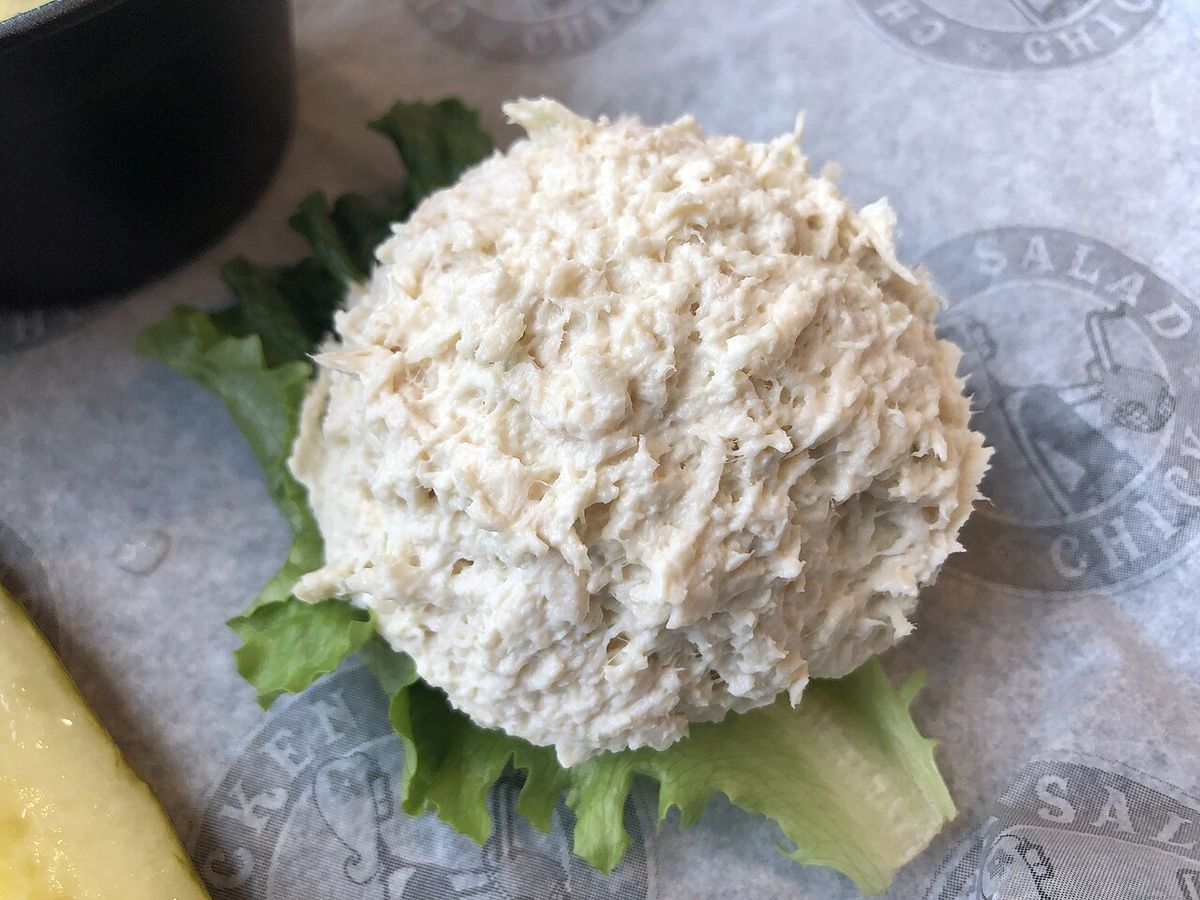
Core Ingredients and Common Variations
The foundation of a classic chicken salad is relatively simple, built around cooked chicken and a creamy binder. The chicken itself is typically leftover roasted, grilled, or poached meat, though canned chicken is also a convenient option. The primary binding agent is most often mayonnaise, which provides richness and creaminess. Common additions for texture and flavour include finely diced celery for crunch, minced onion or scallions for sharpness, and hard-boiled eggs. From this basic template, countless regional and personal variations have developed, making chicken salad a highly customizable dish. Many contemporary recipes incorporate ingredients like juicy red grapes for sweetness, toasted pecans or walnuts for crunch, and fresh herbs such as dill, tarragon, or parsley for aromatic complexity. Some versions lighten the dressing by substituting part of the mayonnaise with plain Greek yogurt or sour cream, adding a tangy note. Dressings are often enhanced with Dijon mustard, lemon juice, celery seeds, or pickle brine for additional layers of flavour. The dish's adaptability means it can range from a very simple, traditional preparation to more elaborate versions featuring ingredients like apples, almonds, or curry powder, reflecting individual tastes and seasonal availability.
Popular modern mix-ins and substitutions include grapes, particularly red grapes, quartered for bursts of sweetness, and toasted pecans, walnuts, or almonds for added crunch and richness. Fresh dill, tarragon, chives, or parsley are frequently used for herbal notes, while plain Greek yogurt or sour cream can be used alongside or in place of some mayonnaise. Dijon mustard, lemon zest, and lemon juice are common additions to brighten the dressing, and celery seeds are specifically noted for amplifying the classic chicken salad flavour. Red onion or thinly sliced scallions provide a sharper allium note, and this extensive list of possible additions allows home cooks to tailor the salad to their pantry and preferences, ensuring the dish rarely becomes monotonous.
Preparation Techniques and Key Tips
Successful chicken salad relies as much on technique as on ingredients, with several methods ensuring optimal flavour and texture. For the chicken, poaching is a favoured technique to achieve tender, moist meat. One recommended method involves placing bone-in, skin-on chicken breasts in a pot with scallions and peppercorns, bringing the water to a boil, then turning off the heat and letting the chicken cook in the residual heat for about two hours. This gentle cooking prevents overcooking and yields what some chefs describe as a 'plush' or 'velvet' texture. After cooking, the chicken should be shredded or cut into uniform, bite-sized pieces. The dressing is typically whisked together separately before being combined with the chicken to ensure even coating. A key tip is to refrigerate the assembled salad for at least four hours before serving, as this chilling time allows the flavours to meld and saturate the chicken, resulting in a more cohesive and refreshing dish. For food safety and best quality, prepared chicken salad can be stored in an airtight container in the refrigerator for up to two days. The cooking liquid from poaching chicken can be simmered further to create a flavourful homemade chicken stock, making efficient use of all ingredients.
Common steps in a modern recipe include poaching or otherwise cooking chicken until it reaches an internal temperature of 165°F, which for boneless breasts may take about 10 minutes. The chicken must then be allowed to cool before it is shredded or diced uniformly. In a separate bowl, the cook whisks together the dressing base, which often includes mayonnaise, Greek yogurt or sour cream, lemon juice, mustard, and seasonings. This dressing is combined with the chicken in a large bowl and stirred until evenly coated. Finally, crunchy and fresh additions like diced celery, onions, grapes, nuts, and herbs are folded in. The cook must then taste and adjust seasoning with salt and pepper before refrigerating the salad for several hours before serving. This make-ahead quality makes chicken salad a practical component for meal planning and packed lunches, as noted in numerous contemporary recipe guides from 2026.
Nutritional Profile and Dietary Considerations
The nutritional content of chicken salad varies widely based on its specific ingredients and proportions. A typical serving made with mayonnaise, chicken, celery, and nuts is a good source of protein, essential for muscle repair and satiety. However, it can also be high in calories and fat, primarily from the mayonnaise and any added nuts. For example, one detailed recipe analysis notes approximately 98 grams of protein, 85 grams of fat, and 1204 calories per serving. Those seeking a lighter version can modify the recipe by using a combination of plain Greek yogurt and a reduced amount of mayonnaise, or by omitting nuts. The dish is naturally low in carbohydrates, especially when served on lettuce leaves instead of bread. It is important to view traditional, rich chicken salad as a occasional dish rather than an everyday health food, with its composition reflecting its origins as a satisfying and luxurious preparation. For individuals monitoring sodium intake, using low-sodium mayonnaise and being mindful of added salt can help adjust the profile. The versatility of the recipe allows it to be tailored to various dietary preferences while maintaining its core appeal as a flavourful and protein-packed meal.
Specific nutritional data from a noted recipe includes 10 grams of carbohydrates, 314 milligrams of cholesterol, 27 grams of monounsaturated fat, 34 grams of polyunsaturated fat, 19 grams of saturated fat, 1 gram of trans fat, 3 grams of fibre, 1393 milligrams of sodium, and 3 grams of sugar per serving. Recipe commentators have explicitly stated that this dish is not intended for daily consumption by those concerned with calorie and fat intake, noting that its luxurious nature means there are not necessarily 'better' low-calorie choices that replicate the experience. This assessment clarifies that classic chicken salad is celebrated for its flavour and texture, not as a diet food, though it can be modified for lighter eating. The high fat content comes from sources like mayonnaise and nuts, which contribute to the dish's characteristic richness and mouthfeel.
Serving Styles and Cultural Context
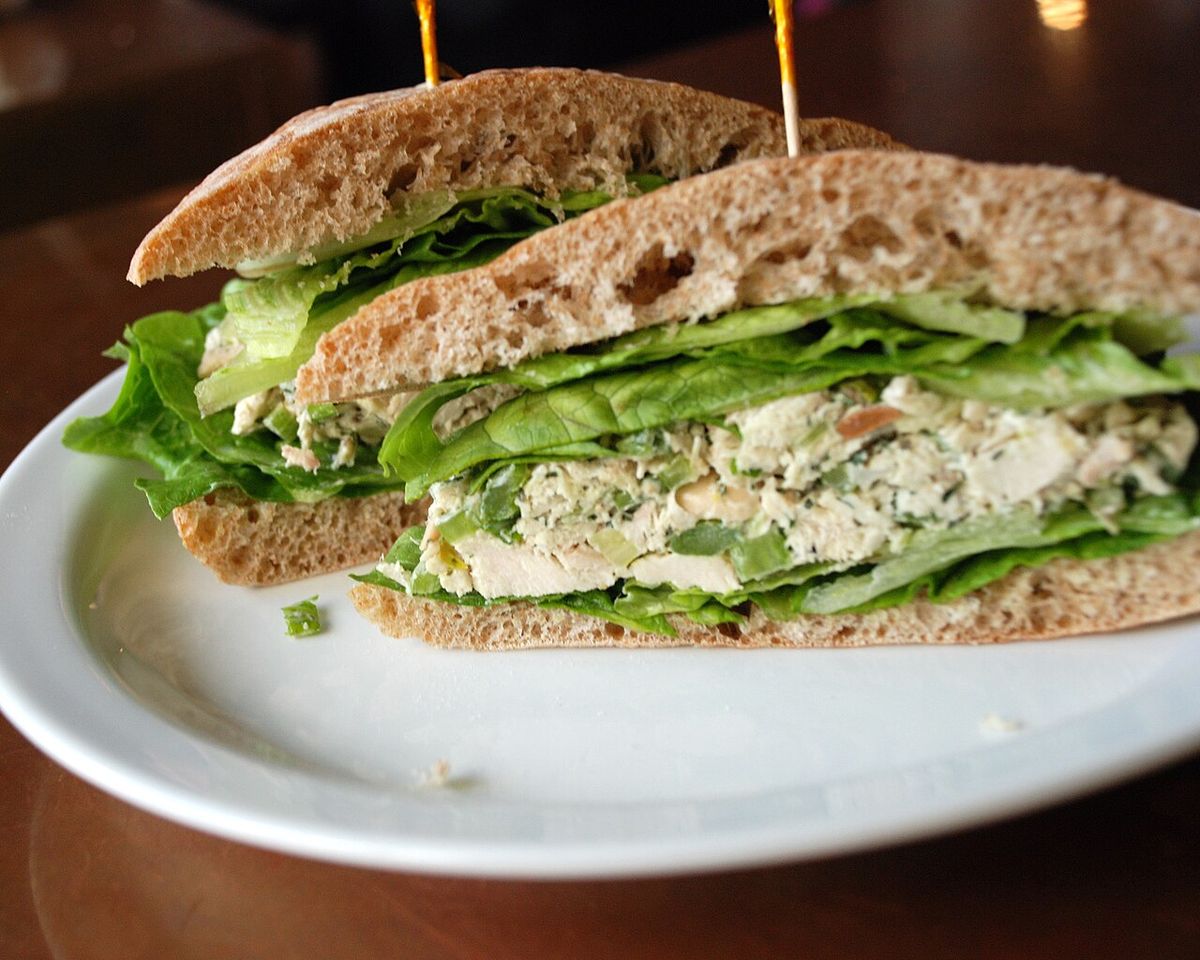
Chicken salad is served in numerous ways, making it a flexible component of meals throughout the day. In Canada and the United States, it is most commonly served as a sandwich filling, often on croissants, whole wheat bread, or dark rye. It is also frequently presented as a scoop on a bed of leafy greens like lettuce or spinach, accompanied by tomato, avocado, or sliced radishes. For a low-carbohydrate option, it can be served in lettuce cups or with crackers on the side. The dish holds a particular place in casual and celebratory dining, featured at tea rooms, luncheons, picnics, and as part of holiday spreads like Fourth of July gatherings. Its ease of preparation and portability make it a popular choice for packed lunches. Beyond North America, chicken salad concepts vary significantly. In Europe and Asia, salads featuring chicken may incorporate pastas, couscous, or rice and be dressed with vinaigrettes rather than creamy binders. The North American version, with its creamy, chunky texture, remains a distinct and beloved preparation, often evoking nostalgia and personal tradition, such as being a favourite order at a local tea room or a family recipe passed down through generations.
The dish's personal resonance is illustrated by anecdotes, such as one individual's lifelong patronage of a tea room called Tea for Two in northwest Houston, where they always ordered the house chicken salad on a flaky croissant. This connection highlights how chicken salad is often tied to specific memories and establishments. In contemporary Canadian and American homes, it functions as an easy lunch recipe kept 'on repeat' for its reliability and customizability. It is recommended for serving on its own, as meal prep for lunchboxes, or as a main course, similar to classic tuna salad. This wide range of applications, from a simple side to the centrepiece of a meal, secures its ongoing relevance in home cooking and food culture. The dish is also noted for its presence in fast casual dining, with chains like Chicken Salad Chick in the United States specializing in it.
Contemporary Recipes and Popular Adaptations
Modern chicken salad recipes continue to innovate while honouring the classic foundation. Popular contemporary versions include a crowd-favourite recipe combining tender chicken with grapes, toasted pecans, and a creamy dressing of mayonnaise, sour cream, lemon juice, and dill. Another highly regarded recipe from 2026 emphasises a poached chicken breast mixed with celery, red onion, mayonnaise, Greek yogurt, and fresh herbs. For a different twist, an Italian-inspired version uses rotisserie chicken with Italian seasonings, while a grilled chicken salad might feature strawberries, cherry tomatoes, feta cheese, and a honey Dijon vinaigrette. Seasonal variations abound, such as a summer chicken salad with grilled corn, avocado, and a hot bacon dressing, or an autumn chopped salad with apples and walnuts. These adaptations demonstrate the dish's endless versatility, allowing cooks to incorporate seasonal produce and global flavours. Recipe developers often note that the best chicken salad balances creamy, crunchy, sweet, and tangy elements, and that allowing the salad to chill thoroughly before serving is a non-negotiable step for depth of flavour.
Notable recipe themes from recent sources include a crowd-favourite creamy chicken salad with grapes and pecans noted in 2026, a classic best-ever recipe with shredded chicken, mayo, celery, and onions also from 2026, and a healthy no-mayo version using Greek yogurt as a base. Other popular adaptations are a grilled chicken salad with strawberries and feta in a honey Dijon vinaigrette, a summer salad with hot bacon dressing, corn, and avocado, and various hearty salads featuring rotisserie chicken shortcuts. Recipe developers stress that technique is paramount, focusing on well-seasoned chicken, a rich but balanced dressing, and proper chilling time. Many recipes are designed to be made in a single bowl for ease, and they are frequently presented as ideal for using leftover chicken from an air fryer whole chicken or a store-bought rotisserie bird. These recipes ensure chicken salad remains a relevant and frequently prepared dish in home kitchens across Canada, with new variations like Chicken Waldorf Salad and Fried Chicken Cobb Salad appearing in 2026 recipe collections.
Storage, Safety, and Recipe Feedback
Proper storage is crucial for maintaining the quality and safety of chicken salad. The consistent advice across contemporary recipes is that prepared chicken salad can be refrigerated in an airtight container for up to two days. This make-ahead window is ideal for planning, as the flavours continue to develop and improve during this chilling period. Leftover chicken salad should also be consumed within this two to three day timeframe for optimal freshness and to minimize food safety risks. The dish is not suitable for freezing due to the mayonnaise-based dressing and vegetables like celery, which will suffer in texture upon thawing. Public feedback on popular recipes, as seen in online comments, frequently praises the dish's reliability and flavour. One reviewer in 2026 called a particular version 'absolutely delicious' and noted making big batches often for lunches. Another reviewer from the same period stated they 'REALLY love this version' after trying a new recipe, planning to make a larger batch next time. This positive reception confirms the dish's status as a trusted and satisfying recipe that performs well for both everyday meals and when trying a new variation. The combination of practical storage advice and proven crowd approval solidifies chicken salad's place as a dependable culinary staple.
Questions about Chicken salad
What are the basic ingredients in a classic chicken salad?
A classic chicken salad starts with cooked, chopped chicken as the main ingredient. The primary binder is mayonnaise, which provides creaminess. Common additions for flavour and texture include diced celery for crunch, minced onion or scallions for sharpness, and seasonings like salt and pepper. Many recipes also incorporate hard-boiled eggs. This simple base can be endlessly customized with ingredients like grapes, nuts, or fresh herbs according to personal preference.
Can I make chicken salad ahead of time?
Yes, chicken salad is an excellent make-ahead dish. In fact, its flavour often improves after chilling, as the ingredients have time to meld. Prepared chicken salad can be refrigerated in an airtight container for up to two days before serving. This makes it ideal for meal preparation, packed lunches, or entertaining, as it can be made well in advance of a gathering or weekday lunch.
What is the best way to cook chicken for chicken salad?
Poaching is a highly recommended method for cooking chicken destined for salad, as it yields tender, moist meat. One effective technique involves bringing a pot of water with aromatics to a boil, adding bone-in chicken breasts, then turning off the heat and letting the chicken cook in the hot water for about two hours. This gentle, residual-heat cooking prevents the chicken from becoming dry and stringy. Leftover roasted or grilled chicken, or even rotisserie chicken, are also excellent and convenient options.
How can I make a lighter, healthier chicken salad?
To create a lighter version, you can substitute part or all of the mayonnaise with plain Greek yogurt or sour cream, which adds tanginess with less fat. Omitting or reducing nuts also lowers the calorie and fat content. Serving the salad on a bed of leafy greens or in lettuce cups instead of on bread or croissants reduces carbohydrates. The basic recipe is adaptable, allowing you to adjust ingredients to meet specific dietary goals while maintaining flavour.
What are some common serving suggestions for chicken salad?
Chicken salad is incredibly versatile in how it is served. It is most traditionally used as a sandwich filling, particularly on croissants, whole wheat bread, or rye. It can also be served scooped onto a plate lined with lettuce, tomato, and avocado for a salad meal. Other popular serving methods include stuffing it into lettuce cups for a low-carb option, spreading it on crackers as an appetizer, or simply eating it with a fork as a main dish. Its portability also makes it a favourite for packed lunches.
How long can I store leftover chicken salad?
Leftover chicken salad can be refrigerated in an airtight container for up to two days. The chicken salad can be made up to two days ahead and refrigerated. It is an ideal make-ahead recipe because it gets better as it sits. You can store leftovers in an airtight container in the fridge for around three days and enjoy them for lunches.
Sources and further reading
- Chicken salad (Wikipedia)
- Chicken Salad Recipe (natashaskitchen.com)
- Chicken Salad Recipe (Our Best Ever) (thekitchn.com)
- Best Chicken Salad Recipe (delish.com)
- Best Chicken Salad Recipe, NYT Cooking (cooking.nytimes.com)
Checked by the Novello Desserts desk. Last updated 2026-10-30.