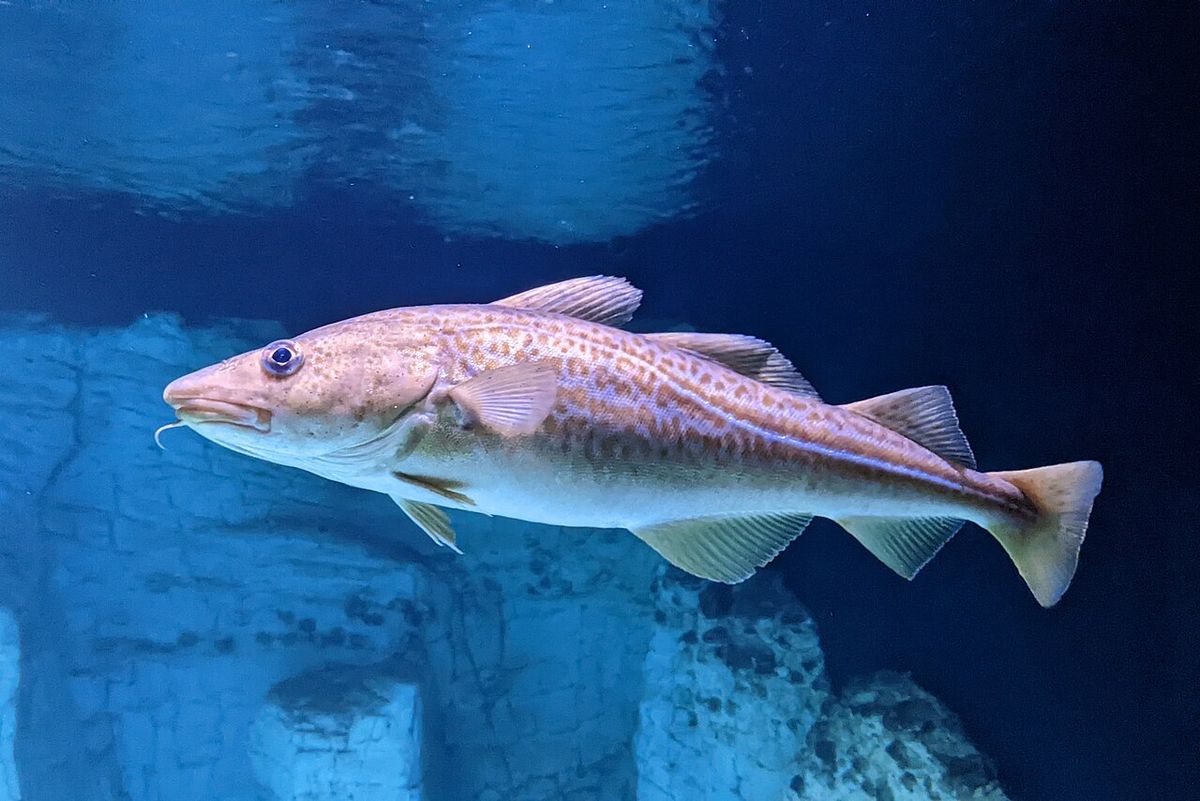
Dried and salted cod
Dried and salted cod, commonly known as salt cod or saltfish, is a preserved food product made by salting and drying Atlantic cod. For over five centuries, it has been a major item of international commerce and a vital food source, particularly in Catholic regions during Lent. In Canada, its history is directly connected to the fisheries of Newfoundland and the Grand Banks, where European preservation methods were adapted to local conditions. Today, salt cod remains a culturally significant ingredient in many communities across Canada and is a staple in numerous global cuisines, from Portugal and Spain to the Caribbean.
Historical Significance and Production
The production of dried and salted cod dates back more than 500 years, with key historical centres in Newfoundland, Iceland, and the Faroe Islands. This method of preservation became economically vital in the 17th century as cheap salt from Southern Europe became available to northern maritime nations. Salt cod formed a critical leg of the triangular trade between the New World and the Old, facilitating its spread across the Atlantic. In Newfoundland, producers developed a unique hybrid method involving light salting and drying in a milder climate, as the region lacked the cold, dry weather needed for stockfish. The resulting product was first known in Norway as 'terranova fisk' before becoming known as klippfisk, or 'cliff-fish,' named for the rocky coasts where it was traditionally dried. The British also produced a summer-dried cod from the Grand Banks called 'habardine' or 'poor john.' This preserved fish was essential for Catholic populations observing meatless Fridays and Lent, providing a durable, transportable source of protein that could last for several years.
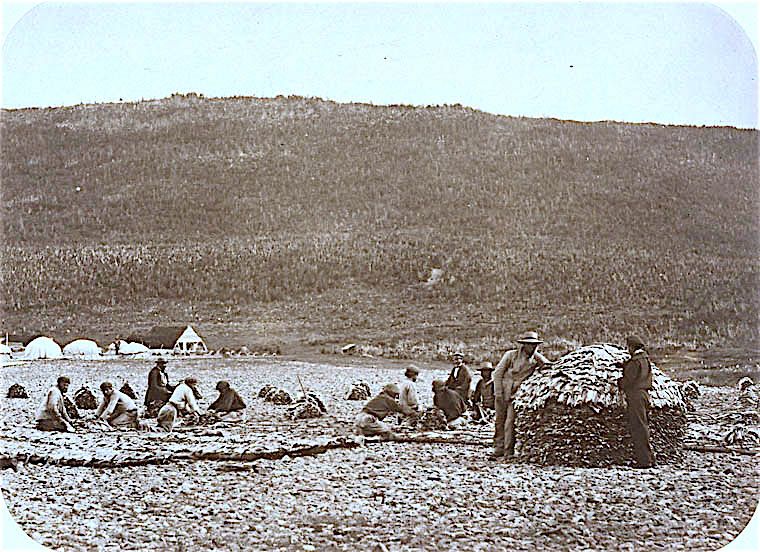
The traditional process involves beheading, gutting, and butterflying the cod, often on board the fishing vessel. The fish is then salted and dried ashore, originally by wind and sun on wooden scaffolds or clean cliffs. Modern commercial production often uses indoor drying with electric heaters, though some outdoor drying persists in western and northern Norway for export markets. While Atlantic cod was historically the exclusive source, the collapse of the Grand Banks stocks led to other whitefish like pollock, haddock, and ling being used. In South America, certain catfish species are used to produce a similar salted and dried product for Lent. The method was favoured because it was inexpensive and could be performed by fishers and their families, with the final product easily transported to distant markets.
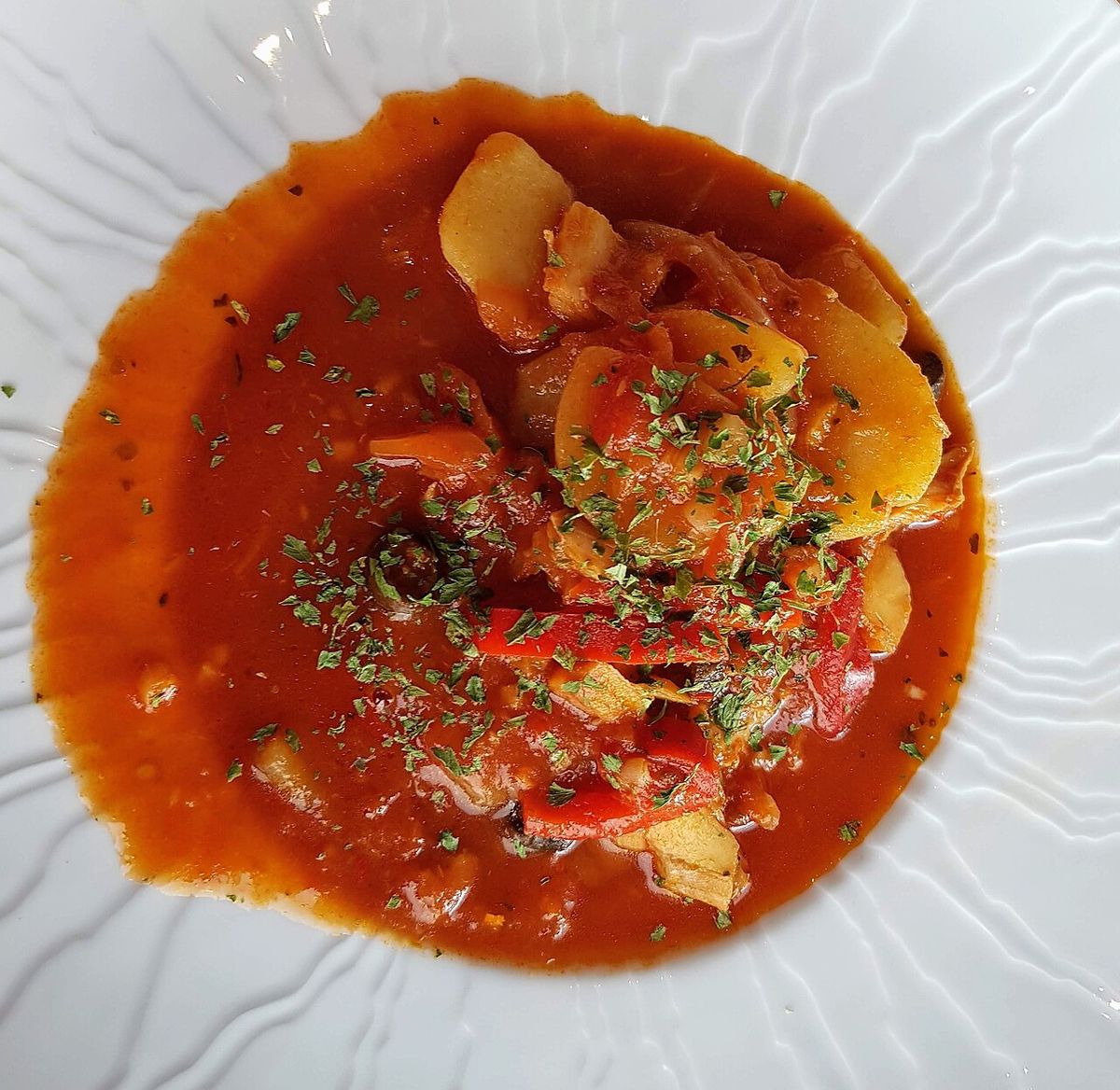
Global Names and Cultural Reach
Dried and salted cod is known by a vast array of names across the globe, many derived from the root 'bacal-'. The term was reported by explorer John Cabot as being used by the inhabitants of Newfoundland. This linguistic diversity reflects the ingredient's deep integration into many cultures. The proliferation of these names mirrors the fish's journey along trade routes. It became a traditional ingredient not only in Northern European cuisines but also in those of the Mediterranean, West Africa, the Caribbean, and Brazil. In the Caribbean, it provided a preserved protein source that did not compete with land used for sugar plantations. Its role in religious observance, particularly within Catholic and Orthodox Christian traditions for Christmas Vigil and Lent, further cemented its place in culinary cultures. The modern Italian-American Feast of the Seven Fishes frequently features salt cod as a key component, continuing this historical tradition.
- Bacalhau (salgado): The Portuguese name for salted and dried cod.
- Bacalao salado: The Spanish term for the product.
- Morue salée: The French name for salted cod.
- Baccalà: The Italian name, used particularly in regions like Campania.
- Klippfisch: The German name, derived from the Norwegian production method.
- Saltfish: The common Anglophone Caribbean name.
- Bakaliáros: The Greek name for salted cod.
- Saltfiskur: The Icelandic term for the preserved fish.
Grading and Quality
In Norway, a traditional grading system for salt cod, or klippfisk, once included five distinct quality levels. The highest grade was superior extra, followed in descending order by superior, imperial, universal, and popular. While these appellations are no longer used extensively, some artisan producers still make superior products. The best klippfisk, the superior extra, is made exclusively from line-caught skrei, the cod caught during its annual spawning migration. The fish is bled while alive before being processed, a practice believed to prevent bruising and ensure superior fillet quality.
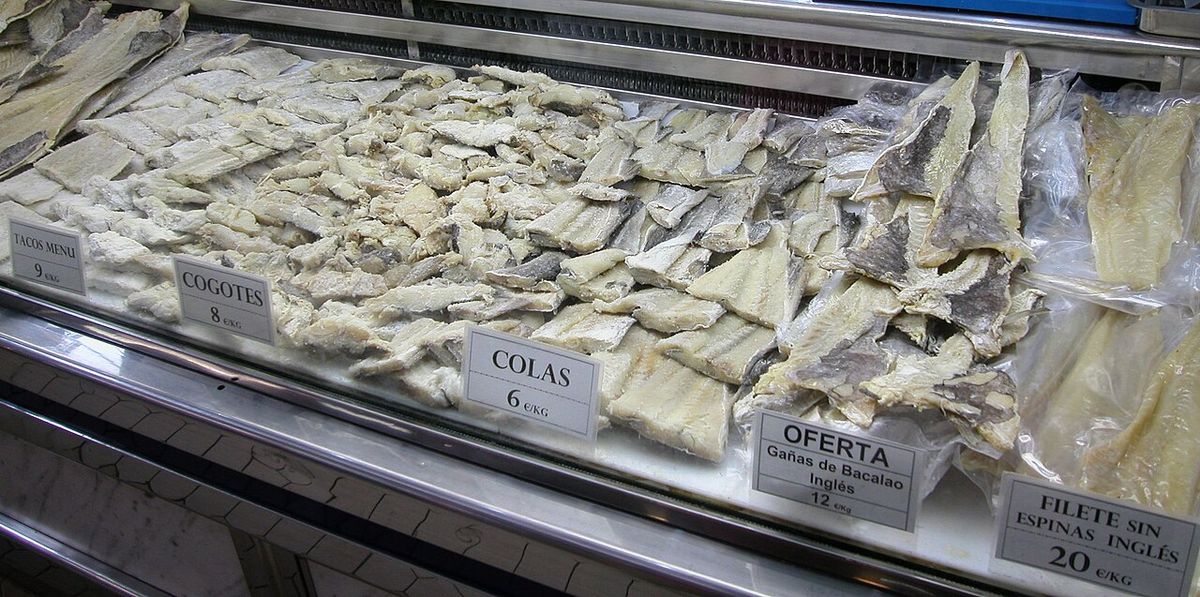
The salting and drying methods also differ by grade. Superior grades are salted with dry salt, while lower grades may be injected with a saltwater solution. The superior extra grade undergoes a double-drying process, similar to curing ham, with a resting period between sessions to allow the flavour to mature. Connoisseurs place high importance on the fish being line-caught and bled alive, as net-caught fish may die before landing, affecting texture. Superior klippfisk is salted fresh, whereas cheaper grades might be frozen first. When selecting salt cod, quality indicators include a solid, hard texture that does not bend easily and an ivory or pale straw colour, as a white hue can indicate unwanted additives.
Culinary Preparation and Uses
Before cooking, salt cod must be rehydrated and desalinated through a soaking process. The fish is typically placed in a container, covered with cold water, and refrigerated for one to three days, with the water changed two to three times daily. The exact time depends on the thickness of the pieces, with some requiring up to 48 or 72 hours. The goal is to achieve a slight residual saltiness without being overpowering. After soaking, the cod is drained, patted dry, and can be stored in the refrigerator for a couple of days or frozen for later use. Properly stored in a dry, dark place below 15°C, salted cod can keep for up to a year, though it will continue to dry out over time.
Once prepared, salt cod is featured in a remarkable variety of dishes worldwide. In European cuisines, it is commonly prepared in casseroles with potatoes and onions, as croquettes, or deep-fried. Classic preparations include French brandade de morue, a baked gratin of mashed potatoes and cod, and Greek fried cod served with skordalia. Portugal is renowned for its vast repertoire of bacalhau dishes, with a popular saying claiming there are at least 365 recipes, one for each day of the year.
- Bacalhau à Gomes de Sá: A traditional Portuguese casserole from Porto with layers of fish, potato, and onion.
- Bacalhau à Brás: A Portuguese dish of shredded salt cod with potatoes and eggs.
- Ackee and saltfish: The national dish of Jamaica.
- Brandade de morue: A French baked gratin of salt cod and potatoes.
- Bacalao al Pil Pil: A Basque dish of cod cooked in olive oil with garlic and chili.
- Bacalaítos: Salt cod fritters popular in Puerto Rico.
- Bermuda codfish breakfast: Served with potatoes, avocado, banana, and boiled egg.
- Feast of the Seven Fishes: A modern Italian-American celebration where salt cod is often featured.
In the south Italian region of Campania, dried and salted cod under the name baccalà is common. Fish markets there have specially designated areas where water is constantly run over the dried fish to display and reconstitute it. It is also sold in supermarkets, already reconstituted, permitting quick domestic preparations. Salted cod made its way to the Philippines via the Spanish galleon trade in the form of bacalao or bakalaw, a stew special to Holy Week.
Nutritional Profile and Health
Dried and salted cod is a nutritious food preserved naturally with sea salt, without artificial additives. The curing process significantly concentrates its protein content. While fresh cod contains about 17 grams of protein per 100 grams, salted cod can contain up to 70 grams of protein per 100 grams. It is low in fat and calories and is a rich source of vitamin B12. The product is also a natural source of collagen, magnesium, and phosphorus. Magnesium can aid in the prevention of osteoporosis, while phosphorus supports brain function.
Due to its composition, salt cod can be part of a healthy, balanced diet. It is suitable for individuals with diabetes or coeliac disease, as it contains no sugar or gluten. The preservation method also retains many of the fish's original nutrients, making it a valuable historical food source for long sea voyages and communities with limited access to fresh protein. Its long shelf life and nutritional density contributed to its major role in global exploration and trade.
The Portuguese Connection
Portugal has a unique and deep relationship with dried and salted cod, or bacalhau. More than 98 percent of cod recipes in Portuguese cuisine use the salted and dried variety, attesting to its central role since the 15th century. The tradition began when Portuguese navigators found vast cod stocks off Newfoundland and needed a preservation method suitable for the climate, leading to salting. This initiated a national obsession that continues today. The fish used, Gadus morhua, is not native to Portuguese waters and is now primarily sourced from the cold waters around Iceland and Norway. Bacalhau is so ingrained that the word alone refers to the salted product. Fresh cod must be specified as 'bacalhau fresco.' Families often purchase whole salted cod, which requires home preparation. The standard method involves slicing the cod into fillets, washing off surface salt, and soaking it in very cold water in the refrigerator for 24 to 72 hours, changing the water every six hours, especially in the first day. This process rehydrates the fish, increasing its weight by up to 30 percent, and extracts excess salt. The prepared fish is then used in countless dishes, from simple grilled fillets to elaborate casseroles and soups, forming a major part of Portuguese culinary identity both at home and in the diaspora, particularly in Brazil.
Modern Artisan Production
While mass production dominates, a market for high-quality, artisanally produced salt cod remains. Producers like Salazones Udana in Lesaka, Navarra, Spain, exemplify this tradition, with over 30 years of experience. They use cod from the northeast Atlantic around Iceland, Norway, and the Faroe Islands, caught with traditional hook-and-line techniques. The fish, which can weigh between 4 and 7 kilograms, is salted for a minimum of 21 days with sea salt, often from Ibiza, and then matured to develop flavour and texture. This artisan process results in a product prized for its superior taste and high mineral content. Such bacalao is served in top Spanish restaurants and sold in select cuts. The commitment to traditional methods ensures a quality product that connects modern consumers with a centuries-old preservation craft. This artisanal sector highlights the enduring value placed on salt cod as a gourmet ingredient, beyond its historical role as a simple staple.
- Salazones Udana: An artisan producer located in Lesaka, Navarra, Spain, with over 30 years of experience.
- Gadus Morhua: The species of cod used for high-quality bacalao, sourced from Iceland, Norway, and the Faroe Islands.
- 21 days: The minimum salting period for their bacalao using sea salt from Ibiza.
- 4 to 7 kg: The typical weight range of the cod used by this producer.
- Salt Cod Loin: A premium cut sold by Salazones Udana, served in top Spanish restaurants.
- Salt cod trimmings: A more cost-effective product from the same producer, used for dishes like croquetas.
Questions about Dried and salted cod
What is dried and salted cod?
Dried and salted cod, sometimes referred to as salt cod or saltfish, is cod which has been preserved by drying after salting. Cod dried without salt is called stockfish. This preservation method is over 500 years old and results in a product that must be rehydrated and desalinated by soaking before it can be eaten. Salt cod was a major export and became an ingredient in many cuisines around the Atlantic and in the Mediterranean.
How do you prepare salt cod for cooking?
To prepare salt cod, you must desalinate and rehydrate it by soaking it in cold water. Place the fish in a container, cover it with water, and refrigerate it for 24 to 72 hours, depending on thickness. Change the water two to three times a day, or every 6 to 8 hours for the first day. The process is complete when a small tasted piece is pleasantly salty but not overpowering. After soaking, drain and pat the cod dry before using it in recipes.
Is salted cod healthy?
Yes, salted cod is a nutritious food. It is preserved naturally with sea salt and is a concentrated source of protein, providing up to 70 grams per 100 grams. It is low in fat and calories, rich in vitamin B12, and contains minerals like magnesium and phosphorus. It is suitable for diabetics and coeliacs as it contains no sugar or gluten. However, due to the sodium content from the curing process, it should be consumed in moderation as part of a balanced diet.
What are some famous dishes made with salt cod?
Famous global dishes include Portugal's Bacalhau à Gomes de Sá (a potato, onion, and cod casserole) and Bacalhau à Brás (with shredded potatoes and eggs). Jamaica's national dish is ackee and saltfish. Other notable preparations are French brandade de morue, Spanish bacalao al pil pil, Puerto Rican bacalaítos (fritters), and Italian baccalà served with potatoes and capers. It is also traditional in many Christmas and Lenten meals.
Why is salt cod so important in Portugal?
Salt cod, or bacalhau, is a national obsession in Portugal, with a saying that there are as many recipes as days in the year. Its importance dates to the 15th century when Portuguese sailors began salting cod from Newfoundland. It became a durable, affordable protein source. Today, over 98 percent of Portuguese cod dishes use the salted and dried variety, making it a central pillar of the country's culinary identity, enjoyed from family kitchens to fine restaurants.
How long does salt cod last?
Dried and salted cod has a storage life of several years. This long shelf life is due to the preservation method of drying, which is the world's oldest known food preservation technique. The process of salting and drying the codfish effectively preserves it for extended periods. Properly stored salt cod remains edible for many years before requiring preparation. Before consumption, the preserved fish must be rehydrated and desalinated by soaking in cold water for one to three days, with the water changed multiple times daily.
Sources and further reading
- Dried and salted cod (Wikipedia)
- Bacalhau à Gomes de Sá (Portuguese salt cod casserole) (carolinescooking.com)
- 10 Portuguese Codfish Recipes Step By Step (ohmycodtours.com)
- Bacalao: The Ultimate Guide to Salted Cod, Basco Fine Foods (bascofinefoods.com)
Checked by the Novello Desserts desk. Last updated 2026-10-30.