Inuit cuisine
Inuit cuisine, the traditional food system of the Inuit people across the Arctic regions of Canada, Greenland, and Alaska, is a diet born of necessity and extensive cultural knowledge. Historically consisting entirely of locally hunted, fished, and gathered animal-source foods, this cuisine is central to Inuit identity, social structure, and survival in one of the world's harshest environments. While modern life has introduced store-bought foods, traditional country foods remain culturally vital, providing essential nutrition through meats like seal, whale, caribou, and fish such as Arctic char. The cuisine is characterized by preparations that are often raw, frozen, or simply boiled, with a deep spiritual respect for the animals that sustain the communities.
Historical and Environmental Foundations
The traditional Inuit diet is a direct adaptation to the Arctic environment, where agriculture is impossible and forageable plant matter is scarce for much of the year. For over 4,000 years, Inuit survival has depended on hunting sea and land mammals, fishing, and gathering the limited edible plants available. This cuisine is defined by what the local territory provides, with marine life from the cold waters being particularly crucial. The expansive sea ice provides a critical platform for hunters to access seals and other marine mammals. This deep connection to the land and sea is not merely practical but forms the bedrock of Inuit cultural knowledge, passed down through generations regarding animal behaviour, weather patterns, and sustainable harvesting practices. This hunter-gatherer subsistence model resulted in a diet markedly different from global averages, being very high in fat and protein and relatively low in carbohydrates. The diet derives approximately 50% of calories from fat, 30-35% from protein, and 15-20% from carbohydrates, largely in the form of glycogen from raw meat. The high fat content, particularly from marine animals, provides essential energy and historically prevented protein poisoning during lean winter months when game animals were starved. The reliance on animal sources means that vitamins typically derived from plants, such as Vitamin C, are obtained from sources like raw seal brain, whale skin (muktuk), and caribou liver, as the vitamin is preserved when food is eaten raw or frozen rather than cooked.
Primary Food Sources and Seasonal Hunting
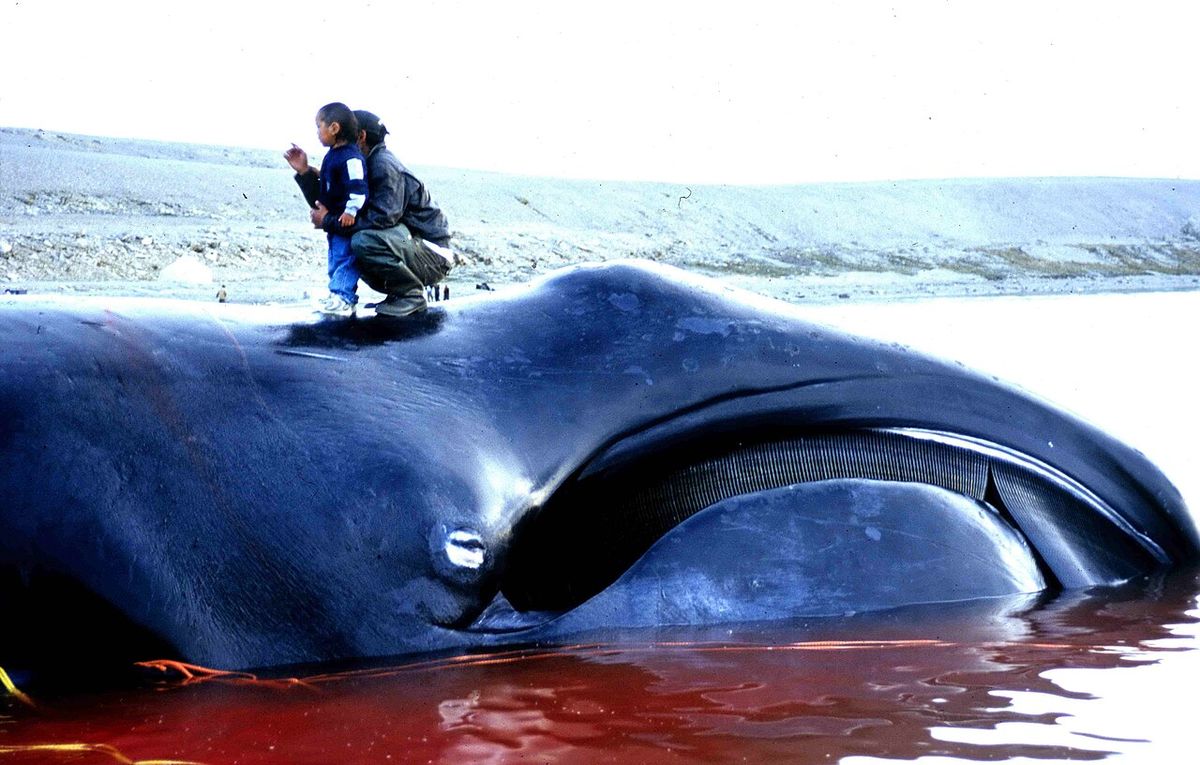
Inuit cuisine is built upon a diverse range of animal sources harvested from the Arctic ecosystem. Sea mammals form a critical part of the diet, with ringed seal and bearded seal often making up the largest part of a hunter's intake. Whales, including narwhal, beluga, and bowhead, provide massive quantities of meat, blubber, and skin, with a single bowhead whale able to feed an entire community for nearly a year. Walrus is another important, though dangerous, quarry typically hunted in winter and spring. On land, caribou (reindeer) and muskox are primary sources of meat, while polar bear is also hunted. The diet is supplemented by saltwater and freshwater fish, including Arctic cod, Arctic char, capelin, and lake trout, which are caught year-round. Birds and their eggs, particularly sea ducks like eider, add variety. The gathering of plants, while limited, includes berries like crowberry and cloudberry, herbaceous plants, tubers such as mousefood, and seaweed. The availability of these country foods is intensely seasonal, dictating the annual rhythm of Inuit life. Hunting practices shift with the ice and animal migrations. For instance, ringed seals are hunted all year, while harp seals are primarily available in summer. Caribou are hunted as they cross inland regions, and specific bird species are only present during late spring and autumn migrations. This seasonal cycle ensures a varied diet throughout the year and requires deep environmental knowledge to exploit successfully.
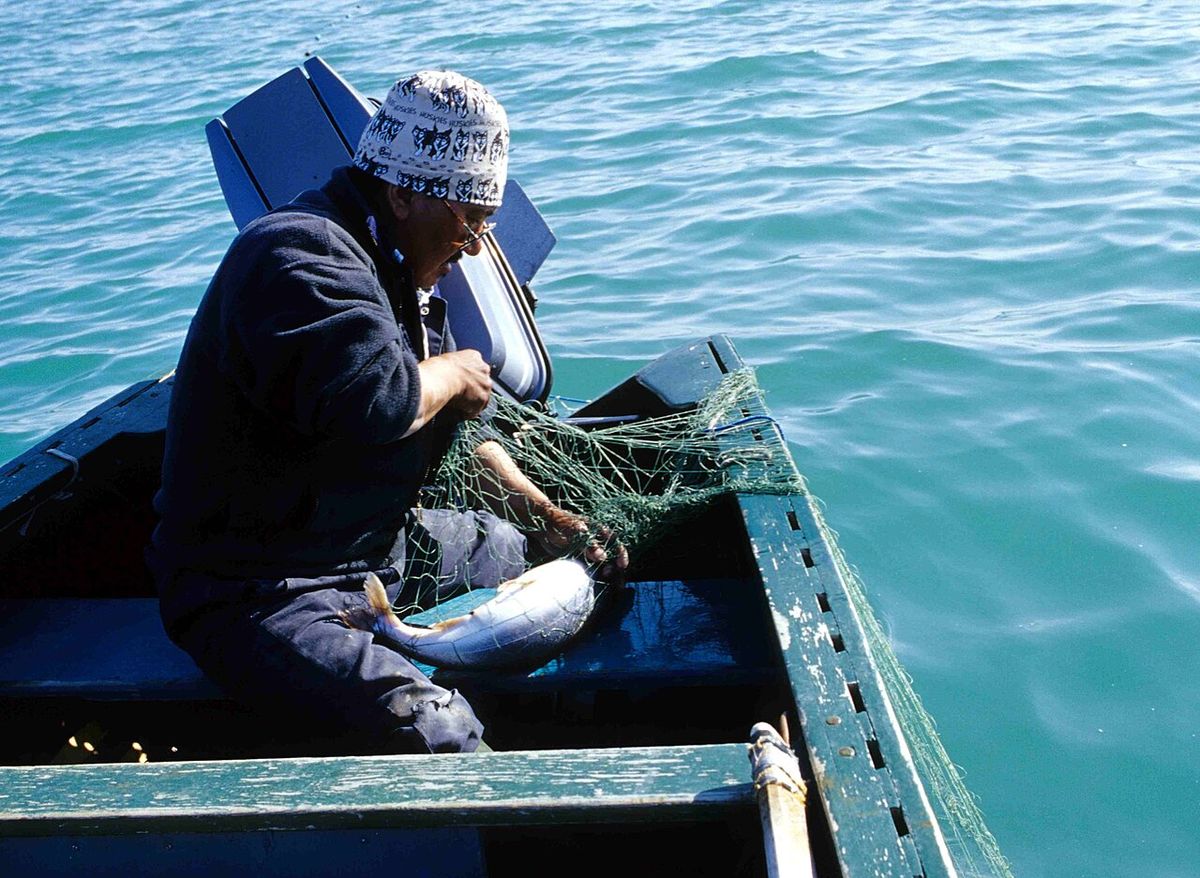
Key hunted animals include sea mammals such as walrus, seal, and whale, as well as land mammals like caribou, polar bear, and muskox. Hunters capture seals by waiting at their breathing holes and using a harpoon. Walrus are hunted in groups during winter and spring, using harpoons secured to the ice. Caribou are hunted by careful pursuit and methods like spearing, while fish are caught through jigging with a fake lure and a spear.
- Seal: Hunted at breathing holes in the ice using a toggling harpoon, with hunters using a seal indicator to alert them when a seal surfaces.
- Walrus: Hunted by teams, harpooned while its head is submerged and secured by driving the harpoon loop into the ice.
- Bowhead Whale: Captured by harpoon, with hunters sometimes using a passive approach, waiting for winds and currents to bring the whale to shore.
- Caribou: Hunted using spears, by driving them into rivers, or by stalking, with careful attention to their keen senses of smell and hearing.
- Fish: Caught by jigging through ice holes, using a fake fish lure to attract live fish which are then speared.
Preparation Methods and Common Dishes
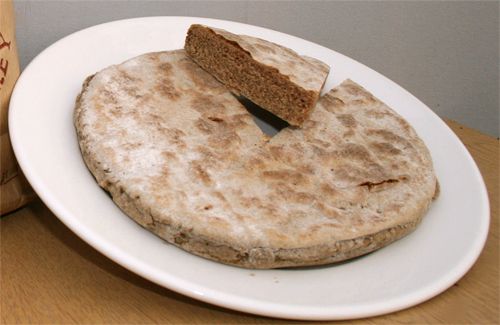
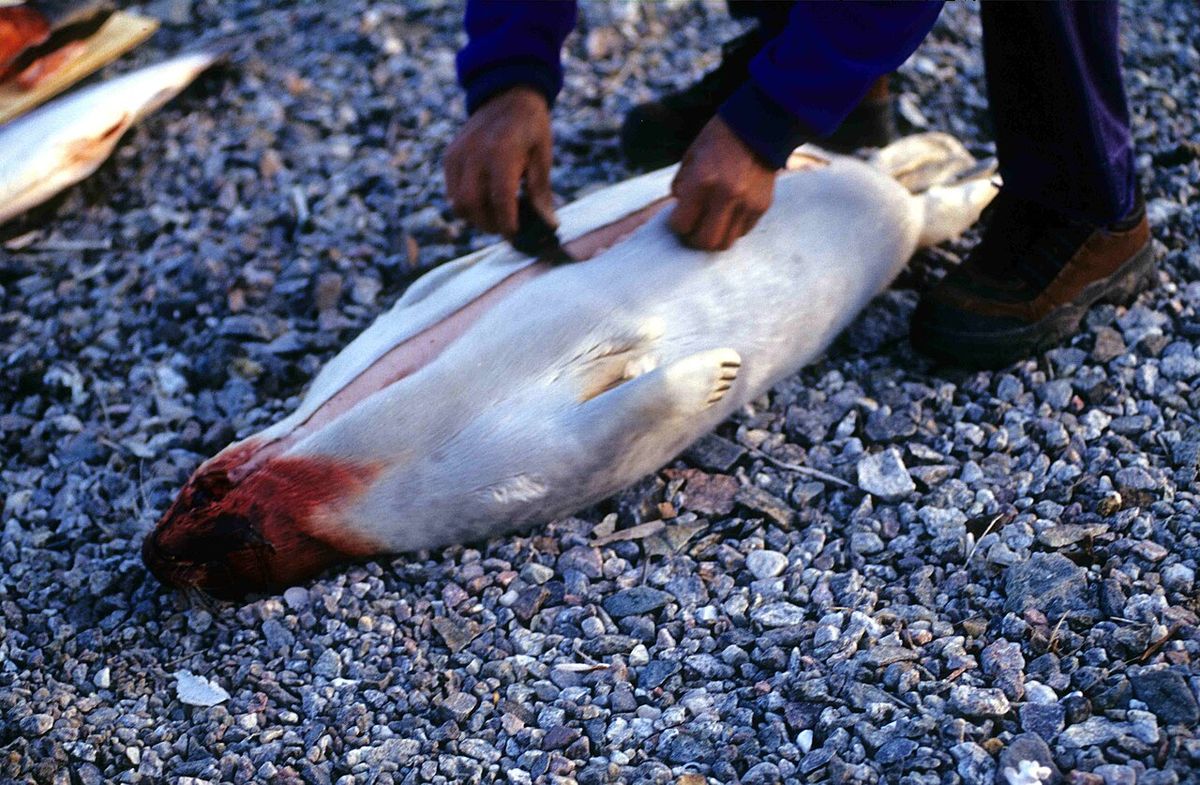
Inuit food preparation is notably simple, with minimal use of spices or mixed ingredients, focusing on preserving the natural qualities of the food. As described by anthropologist Edmund Searles, food is mostly eaten frozen, raw, or boiled. Eating meat frozen, known as quaq, is a common practice, especially at hunting sites, as it helps keep hunters warm and maintains blood flow. Another custom dictates that fish cannot be eaten cooked at the spot where it was caught, only raw. Cooking is permitted only a day's march away from the fishing site. Meals are often informal, with large slabs of meat, blubber, and other parts placed on a mat on the floor for anyone to cut a piece, and individuals eat only when hungry. Specific dishes and preservation techniques define the cuisine. Suaasat is a traditional soup made from seal, whale, reindeer, or seabirds. Akutaq, sometimes called a mixture of berries and fat, is a common preparation. Bannock, a simple flatbread, has been adopted. Fermentation is a key preservation method, used to make igunaq, where meat or fish is stored in a sealskin bag under a layer of blubber. Other techniques include drying, smoking, and caching in permafrost. Meals are typically two main meals a day with frequent snacking. The consumption of seal blood and raw liver immediately after a hunt is common, believed to warm and strengthen the hunters who are cold and hungry.
Nutritional Profile and Health Considerations
The traditional Inuit diet presents a unique nutritional profile that has adapted to the Arctic environment. Contrary to early assumptions, studies have shown it is not a ketogenic diet, as researchers have been unable to detect evidence of ketosis. Inuit in the 1970s were found to have abnormally large livers, presumably to assist in gluconeogenesis, the process of converting protein to glucose when carbohydrate intake is low. Their urine volume was also high due to additional urea from this process. Carbohydrate intake, while lower than global averages, is higher than often assumed because Inuit consume meat raw or freshly frozen, preserving dietary glycogen. Marine mammal blubber and muscle can contain 8 to 30 percent carbohydrates as glycogen, and the delayed onset of rigor mortis in these animals helps preserve these stores. The fats in wild game are largely monounsaturated and rich in omega-3 fatty acids. However, epidemiological evidence shows that Inuit have a similar prevalence of coronary artery disease as non-Inuit populations and have excessive mortality due to cerebrovascular strokes, with twice the risk of the North American population. The addition of a more standard Western diet has been associated with a reduced incidence of mortality in Inuit populations, and fish oil supplement studies have failed to support claims of preventing heart attacks or strokes.
| Nutrient | Primary Source in Inuit Diet | Key Function |
|---|---|---|
| Vitamin A & D | Oils and livers of cold-water fish/mammals | Vision, bone health, immune function |
| Vitamin C | Raw caribou liver, kelp, muktuk, seal brain | Prevents scurvy, preserved by raw consumption |
| Protein | All hunted meat and fish (30-35% of calories) | Muscle maintenance, gluconeogenesis |
| Fat | Blubber, animal fats (approx. 50% of calories) | Primary energy source, prevents protein poisoning |
Cultural and Spiritual Significance
Food in Inuit culture transcends mere sustenance, embodying deep spiritual beliefs, social bonds, and identity. The practice of food sharing is fundamental, documented as early as 1910. It is considered necessary for the physical and social welfare of the entire group, creating lifelong partnerships between sharers. Food is viewed as communal property belonging to the larger group, not to individuals. This contrasts sharply with mainstream Western concepts of individual ownership, to the point that asking for permission to have a drink in an Inuit home can be taken as offensive. Younger hunters customarily share food with elders as a sign of respect. Spiritual beliefs are deeply intertwined with hunting and consumption. Inuit believe their diet makes them stronger, warmer, and more energetic, with seal blood seen as fortifying human blood by replacing depleted nutrients. There is a sacred relationship between hunter and prey, particularly with seals. The belief holds that a seal agrees to be captured to feed the hunter's family, benefiting both parties. If traditional alliances and rituals are not followed, it is believed animals will be offended and disappear. Rituals include offering fresh water to dying sea mammals, as they are considered perpetually thirsty, to show respect and to please the spirit Sedna to ensure future food supply. Healing beliefs also attribute sickness to a lack of traditional food, with recovery often linked to consuming seal meat and blood.
Contemporary Context and Challenges
Inuit cuisine exists today in a dynamic tension between tradition and modernity. While country foods remain a powerful marker of identity and are often preferred, there has been a significant shift towards store-bought foods, leading to concerns about health problems and food insecurity. The high cost of hunting equipment, snowmobiles, rifles, gasoline, and camping gear, contributes to a decline in families who can hunt for their meals. Many young people lack the comprehensive survival skills of their ancestors, growing more accustomed to imported southern foods, referred to as Qallunaat food. Despite these challenges, efforts to celebrate and sustain traditional foodways are active. Events like Tapiriit, an intimate celebration of Inuit culture and traditions planned for 2025, feature country foods from across Inuit Nunangat. Initiatives like the Nunavut Food Security Coalition work to address these complex issues. In the culinary world, Inuit chefs like Sheila Flaherty are bringing attention to traditional foods such as maaktaq (whale skin and fat) and seal meat. The cuisine also varies regionally within the Arctic. Traditional food in Nunavik may differ from that in Greenland or Nunavut due to local wildlife, plants, and family practices. For visitors, experiences at cultural camps offer a chance to taste foods like Arctic char, cloudberries, and bannock, often with the understanding that the actual harvesting remains an Inuit right and practice rooted in generations of knowledge.
Questions about Inuit cuisine
What is the most important food in the traditional Inuit diet?
Seal meat is arguably the most crucial component of the traditional Inuit diet, often making up the largest part of a hunter's intake. Both ringed seal and bearded seal are hunted year-round and provide essential meat, fat, and blood. The seal is valued not only for nutrition but also for its spiritual significance, with beliefs that its blood fortifies human blood. After a hunt, hunters often drink seal blood and eat the liver first to warm themselves, demonstrating its immediate importance for energy and strength in the harsh climate.
Do Inuit eat only meat, or are there vegetables and plants?
While the Inuit diet is predominantly based on animal sources due to the Arctic environment, it does include gathered plants. These naturally available foods include berries like crowberry and cloudberry, herbaceous plants such as grasses and fireweed, tubers like mousefood, and seaweed. However, these plant foods are seasonal supplements rather than staples. The inability to cultivate native plants means the diet is lower in carbohydrates than global averages, with essential vitamins like Vitamin C being obtained from raw animal sources like caribou liver and seal brain instead of fruits.
How is Inuit food typically prepared and served?
Inuit food preparation is characterized by simplicity to preserve nutrients and flavour. Food is most commonly eaten frozen (quaq), raw, or boiled, with very few spices or mixed ingredients. Common dishes include suaasat, a savoury soup made from seal or whale, and akutaq, a mix of berries and fat. Meals are often communal, with large pieces of meat and blubber placed on the floor for anyone to cut from. People eat when hungry, and formal meal announcements are sometimes made. Preservation techniques are vital and include fermenting meat into igunaq, as well as drying, smoking, and caching in cold storage.
Is the traditional Inuit diet healthy?
The traditional Inuit diet provided the necessary nutrients for survival in the Arctic, with high levels of protein and fat offering essential energy. The consumption of raw meat and blubber supplied Vitamin C, preventing scurvy. However, contemporary health research shows complex outcomes. While the fats are rich in omega-3s, Inuit populations have a similar prevalence of coronary artery disease as others and a higher risk of cerebrovascular strokes. The introduction of more varied Western diets has been associated with reduced mortality rates, indicating that the traditional diet, while adaptive, faces health challenges in the modern context.
What does 'country food' mean in an Inuit context?
In Canada, particularly in reference to Inuit, 'country food' specifically describes traditional foods harvested locally from the land and water. This includes all game meats like seal, caribou, and whale, migratory birds, fish such as Arctic char, and foraged foods like berries. It is distinguished from store-bought or imported foods. Country food is not just a list of ingredients but represents a deep relationship with the environment, encompassing generations of knowledge about harvesting, preparation, and sharing. It remains closely tied to culture, family, and Inuit identity across the North.
Can visitors to the Arctic try traditional Inuit foods?
Yes, visitors have opportunities to try traditional Inuit foods through cultural experiences, tourism camps, and local events. For instance, in Nunavik, guests may be served Arctic char, cloudberries, bannock, and kelp. However, it is important to understand that the harvesting of these foods is often governed by Inuit rights and deep cultural knowledge. Guests may observe fishing and join activities like berry picking, but the actual hunting and fishing are typically done by Inuit guides. Respecting these boundaries is part of experiencing the cuisine in a way that honours the people and heritage behind it.
Sources and further reading
- Inuit cuisine (Wikipedia)
- Seal soup for dinner? Get to know Greenland's Inuit cuisine (adventure.com)
- Inuit Cuisine: Arctic Ingredients and Traditional Food ... (remitly.com)
- Traditional Inuit Food at a Nunavik Camp (ungavapolarecotours.com)
- Inuit Country Food in Canada (thecanadianencyclopedia.ca)
Checked by the Novello Desserts desk. Last updated 2026-10-30.