Pączki
Pączki are traditional Polish filled doughnuts, celebrated as a pre-Lenten treat in Polish communities across Canada and the United States. These deep-fried pastries are made from a rich yeast dough containing eggs, butter, sugar, and sometimes milk, distinguishing them from standard doughnuts with their dense, tender texture. They are traditionally filled with fruit preserves like plum or rose hip jam, or sweet custard, and are coated in powdered sugar, icing, or granulated sugar. In North America, Pączki Day is widely observed on Fat Tuesday, the day before Ash Wednesday, with major celebrations in cities with significant Polish diaspora such as Detroit, Chicago, Cleveland, and Windsor, Ontario.
Historical Origins and Evolution
The history of pączki dates back to at least the Middle Ages in Poland, where the earliest versions were savoury rather than sweet. French pastry chefs brought to the Polish court are credited with refining the dough, making it lighter, spongier, and more resilient. The traditional purpose of making pączki was deeply practical, tied to the Christian liturgical calendar. Cooks would use up all the luxury ingredients in the household, such as lard, sugar, eggs, and preserved fruit, before the fasting period of Lent began on Ash Wednesday. This practice ensured no rich foods were wasted and provided a final feast before the penitential season. The addition of a small amount of grain alcohol, traditionally rectified spirit, to the dough is a long-standing technique. As it evaporates during frying, it helps prevent the dough from absorbing excessive oil, resulting in a less greasy final product. This historical journey from a practical means of food preservation to a celebrated cultural icon illustrates the pastry's deep roots in Polish tradition and its adaptation over centuries.
Description and Culinary Characteristics
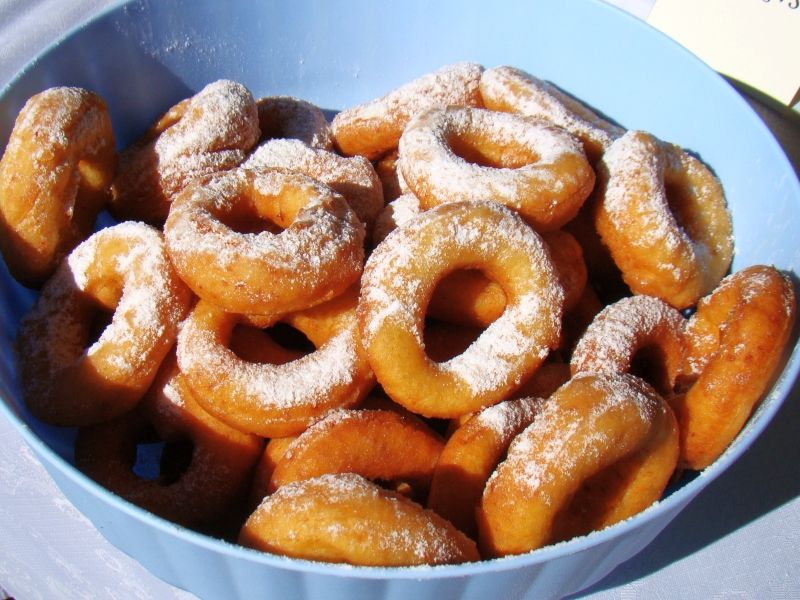
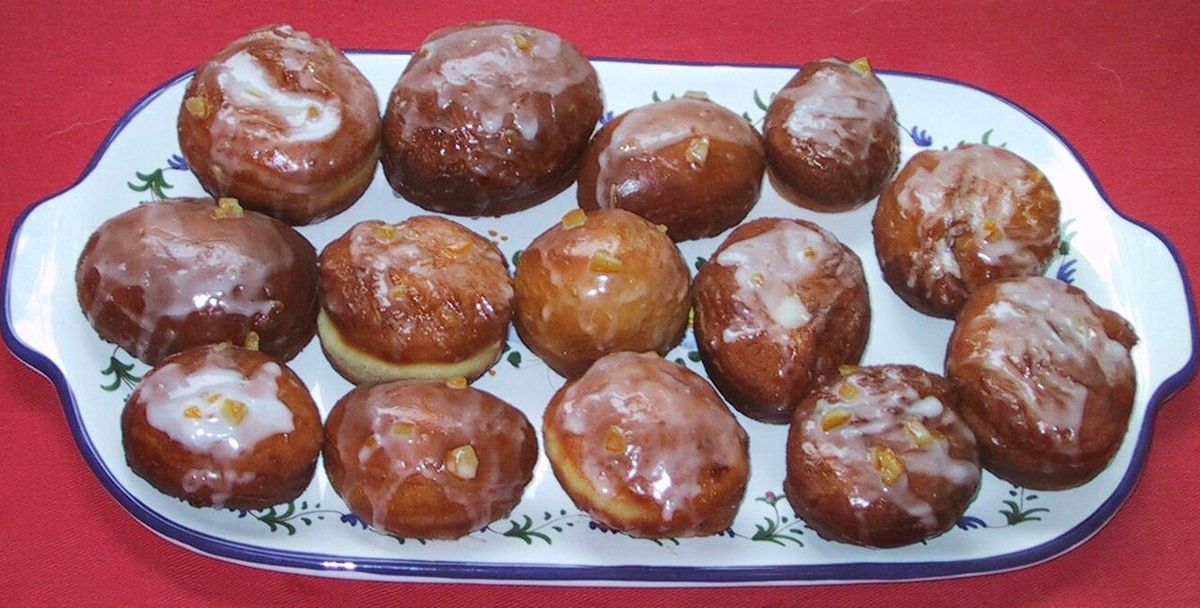
A pączek is a deep-fried piece of dough shaped into a flattened sphere. The dough is notably rich, containing eggs, fats like butter or sometimes lard, sugar, yeast, and frequently milk, which gives it a denser and more substantial quality compared to standard doughnuts. After frying, a perfectly made pączek should be fluffy yet slightly collapsed, with a characteristic bright stripe around its middle, which is considered evidence of being fried in fresh, hot oil. The pastries are filled after frying, typically by injecting a confiture or cream through the side. They are then finished with a coating, which may be powdered sugar, a thin icing or glaze, or bits of dried orange zest. While they resemble German Berliners or North American jelly doughnuts, the richness of the dough and the traditional fillings set pączki apart as a distinct category of fried pastry.
The variety of fillings is extensive, though certain ones hold traditional significance. The most classic Polish fillings are powidła, a thick stewed plum jam, and wild rose petal jam. Other common fruit fillings include raspberry, strawberry, blueberry, apple, and prune. Cream-based fillings such as custard, sweet cheese, and Bavarian cream are also popular. In modern North American bakeries, contemporary spins like Nutella or chocolate fillings have also found a place alongside the classics. The choice of filling and exterior coating often varies by region and bakery, contributing to the pastry's diverse appeal.
Linguistics and Pronunciation
The word pączek is the Polish singular form, deriving from the word pąk, meaning 'bud', a reference to its rounded shape. The plural form is pączki. The distinctive ogonek, or hook diacritic, under the 'a' (ą) indicates a nasal vowel sound. In Polish, the correct pronunciation is approximately [ˈpɔ̃t͡ʂɛk] for singular and [ˈpɔ̃t͡ʂkʲi] for plural. English has borrowed the plural form 'pączki' for both singular and plural usage, often writing it without the diacritic as 'paczki'. The standard North American pronunciation simplifies this to 'POONCH-key' or 'POWNCH-key'. This borrowed term should not be confused with the unrelated Polish word paczki (pronounced [ˈpat͡ʂkʲi]), which is the plural of paczka, meaning 'package' or 'parcel'. Mastery of the pronunciation is a point of pride for many within Polish communities and a common topic of discussion for newcomers to the tradition.
Pączki Day Traditions in North America
In Poland, the primary day for eating pączki is Tłusty Czwartek (Fat Thursday), the last Thursday before Lent. In North America, however, the celebration predominantly occurs on Fat Tuesday (Shrove Tuesday), aligning with Mardi Gras and Pancake Day traditions. This day falls 47 days before Easter Sunday, causing its date to shift annually. In 2026, Pączki Day and Fat Tuesday fall on February 17. Cities with large Polish communities have embraced the day with particular enthusiasm, hosting events that draw large crowds. Major North American centres for Pączki Day celebrations include:
- Detroit, Michigan, and its enclave Hamtramck, known for an annual parade.
- Chicago, Illinois, which often celebrates on both Fat Thursday and Fat Tuesday.
- Cleveland, Ohio, where Rudy's Strudel bakery hosts a large party.
- Toledo, Ohio, noted for its Fat Tuesday tradition.
- Buffalo, New York, a city with a strong Polish heritage.
- Windsor, Ontario, a major Canadian centre for the celebration.
- Grand Rapids, Michigan, and Milwaukee, Wisconsin, with significant Polish populations.
In some areas, Pączki Day is celebrated with pączki-eating contests. Some establishments host large indoor and outdoor Paczki Day parties. One such event in suburban Cleveland is called 'the Mardi Gras of the Midwest'. Every year on Fat Tuesday, bakery lines in cities like Detroit and Chicago wrap around the block before sunrise. Throughout the Metro Detroit area, many bakeries attract lines of customers for pączki on Pączki Day.
Recipe and Home Preparation
Making pączki at home is a rewarding, though time-consuming, process that involves creating a rich yeast dough, frying, and filling. A typical authentic recipe calls for ingredients such as all-purpose flour, whole milk (known as homo milk in Canada), eggs, sugar, butter, yeast, vanilla, salt, and a neutral oil for frying. Some traditional recipes include a tablespoon or two of vodka or grain alcohol in the dough to improve texture and reduce oil absorption. The process involves activating the yeast, kneading the dough until smooth, and allowing it to rise until doubled in size. Once cooled slightly, they are filled using a piping bag with a long tip and then coated in sugar. The fillings must be thick enough to pipe but not too solid. Popular choices for home cooks include raspberry jam, strawberry jam, apple compote, custard, or Solo brand poppy seed filling. Paczki are best consumed the day they are made but can be frozen for up to three months if stored properly without their sugar coating to prevent sogginess. Key tips for successful homemade pączki include using fresh yeast for a good rise, ensuring the oil is at the correct temperature to avoid greasiness, and not overfilling the pastries to prevent bursting. A double batch of a standard recipe can yield over two dozen pączki, making it suitable for sharing during festive gatherings. The effort is considered well worth it for the authentic, freshly made result, a sentiment echoed in many home cook testimonials following Fat Tuesday celebrations.
Cultural Significance and Modern Adaptations
Beyond being a mere pastry, pączki carry significant cultural weight as a symbol of heritage, community, and the cyclical nature of the liturgical year. Their consumption marks a deliberate and joyful indulgence before a period of restraint, embodying the 'carpe diem' spirit of Carnival. For the Polish diaspora in Canada and the United States, Pączki Day serves as an annual touchstone of cultural identity, connecting generations to their ancestral traditions. The widespread popularity of the day in multicultural cities also demonstrates how a specific ethnic tradition can be adopted and celebrated by the broader public, becoming a shared civic event. Modern adaptations have seen the introduction of non-traditional fillings like Nutella, chocolate, and various cream flavours, as well as the proliferation of bakery events and social media sharing. However, the core elements, the rich dough, the frying process, and the association with Lent, remain constant. The pastry's high caloric content, often estimated between 300 to 500 calories per piece, is embraced as part of its once-a-year splurge status. The enduring appeal of pączki lies in this combination of deep tradition, communal celebration, and sheer sensory pleasure.
Comparison to Similar Pastries and Key Facts
Although they look like German Berliners, which are called Bismarcks in North America, or jelly doughnuts, pączki are made from especially rich dough. This dough contains eggs, fats, sugar, yeast, and sometimes milk. A small amount of grain alcohol is traditionally added to the dough before cooking. Pączki feature a variety of fruit and creme fillings and can be glazed or covered with sugar.
| Characteristic | Pączki (Polish) | Berliner / Bismarck | Standard Jelly Doughnut |
|---|---|---|---|
| Dough Richness | Very rich, with eggs, butter, sugar, milk | Moderately rich, often lighter | Standard yeast or cake dough, less rich |
| Traditional Fillings | Plum jam, rose hip jam, prune | Often raspberry or plum jam | Typically grape or raspberry jelly |
| Texture | Dense, tender, chewy, slightly heavy | Light and airy | Light and fluffy |
| Occasion | Strongly tied to pre-Lenten celebration | Year-round, no specific holiday | Year-round, no specific holiday |
| Cultural Origin | Poland | Germany / Central Europe | General North American |
The primary distinction lies in the dough composition. Pączki dough is specifically enriched to use up luxury ingredients, resulting in a more decadent and substantial bite. The cultural context of pączki is also far more specific and calendrical than its cousins, being intrinsically linked to the moveable feast before Lent. This connection to a religious and cultural tradition gives pączki a seasonal importance for the communities that celebrate it. Several other key facts about pączki are drawn from historical and contemporary notes:
- The first records of the pastry date to the Middle Ages.
- A small amount of grain alcohol is traditionally added to the dough before frying.
- The bright stripe around a fried pączek indicates it was cooked in fresh oil.
- Fat Tuesday in 2028 will fall on February 29, a leap day.
- Some recipes yield over two dozen pączki from a double batch.
- They can be frozen for up to three months for later enjoyment.
Questions about Pączki
What is Pączki Day and when is it in 2026?
Pączki Day is an annual celebration centred on eating Polish filled doughnuts called pączki. In North America, it is observed on Fat Tuesday (Shrove Tuesday), the day before Ash Wednesday and the start of Lent. The date changes each year with the lunar-based Easter calendar. In 2026, Pączki Day and Fat Tuesday fall on February 17. In Poland, the primary day is Fat Thursday, the Thursday before Lent, but many North American cities with Polish communities celebrate on the Tuesday.
How do you pronounce 'pączki'?
The Polish pronunciation is [ˈpɔ̃t͡ʂkʲi], with a nasal 'o' sound. The most common approximations in Canadian and American English are 'POONCH-key' or 'POWNCH-key'. The word is the plural form. A single doughnut is a 'pączek', pronounced approximately 'POON-check'. A common point of confusion is with the Polish word 'paczki' (pronounced 'PAHCH-key'), which means 'packages'.
What is the difference between a pączek and a regular jelly doughnut?
A pączek is made from a much richer dough containing more eggs, butter, sugar, and often milk, making it denser, more tender, and more decadent than a standard jelly doughnut. Traditional fillings like plum or rose hip jam are also distinct. Pączki are deeply tied to the pre-Lenten tradition of using up rich ingredients, whereas jelly doughnuts are a year-round commercial product. The frying process for pączki sometimes includes a splash of alcohol in the dough to reduce oil absorption.
What are traditional pączki fillings?
The most traditional Polish fillings are powidła, a stewed plum jam, and wild rose petal jam. Prune filling is also classic, historically associated with a pre-Lenten 'cleansing'. Other common traditional and modern fillings include raspberry, strawberry, blueberry, apple, custard, sweet cheese (sernik), and Bavarian cream. In North American bakeries, contemporary flavours like Nutella, lemon curd, and chocolate custard are also popular.
Which Canadian and American cities are known for Pączki Day celebrations?
Major celebrations occur in cities with significant Polish diaspora communities. In the United States, Detroit (and its Hamtramck enclave), Chicago, Cleveland, Toledo, Buffalo, Grand Rapids, Milwaukee, and South Bend are renowned for Pączki Day events, with bakery lines and parades. In Canada, Windsor, Ontario, is a notable centre for celebration. Chicago often observes the day on both Fat Thursday and Fat Tuesday, while most other North American cities focus on Fat Tuesday.
Can you make pączki at home and how should you store them?
Yes, pączki can be made at home with a yeast dough enriched with eggs, butter, and milk. The process involves proofing the dough, cutting rounds, a second proof, deep-frying, and then filling and coating them. They are best eaten fresh on the day they are made. For storage, they can be kept at room temperature for a day but are not ideal for tight wrapping as the sugar coating becomes moist. For longer storage, freeze unfilled or uncoated pączki in a paper bag inside a plastic bag for up to three months, then thaw and add sugar or filling as desired.
Sources and further reading
- Pączki (Wikipedia)
- Authentic Polish Paczki Recipe (seasonsandsuppers.ca)
- Pączki Day 2026: The Fat Tuesday Polish Donut Tradition (farmersalmanac.com)
- Paczki Recipe (Polish Donuts) (thecrumbykitchen.com)
- What is Paczki Day? (webstaurantstore.com)
Checked by the Novello Desserts desk. Last updated 2026-10-30.