Three Sisters
The Three Sisters is a traditional Indigenous agricultural system and a foundational culinary concept in North America, involving the intercropping of maize, beans, and squash. This symbiotic planting method, developed over millennia by First Nations and Native American peoples, creates a sustainable polyculture where each plant supports the others' growth. In Canadian cuisine, the Three Sisters are celebrated in hearty dishes like stews and soups, which honour Indigenous foodways and provide nutritious, plant-based meals. The concept remains culturally significant, representing both an ancient farming wisdom and a modern symbol of sustainable agriculture and culinary heritage.
Agricultural System and Symbiosis
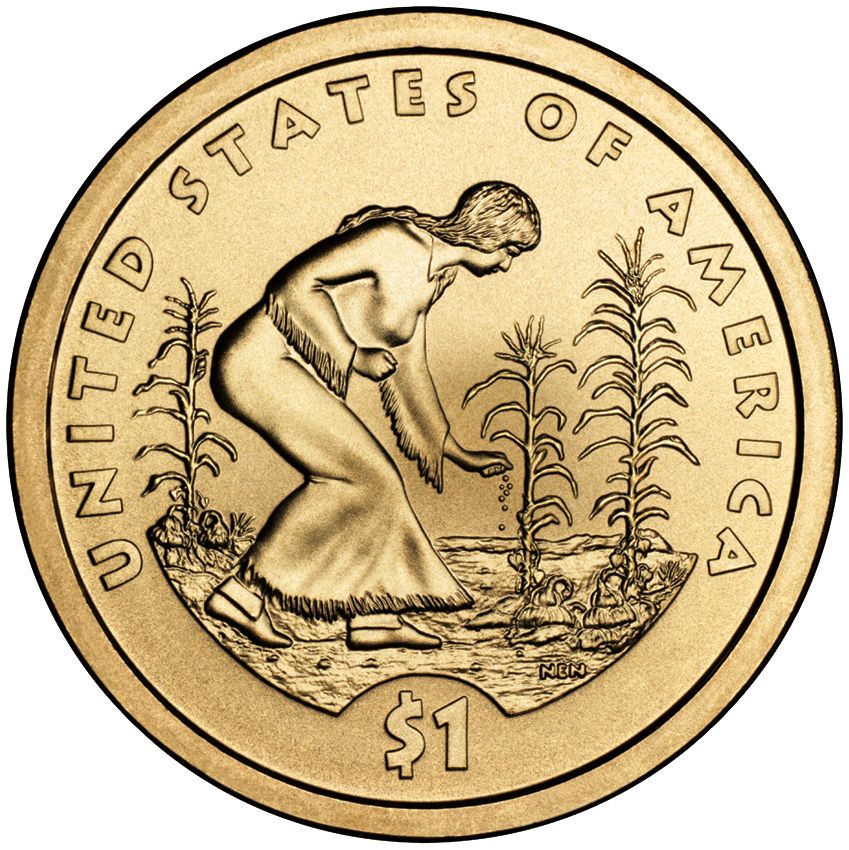
The Three Sisters agricultural system is a classic example of companion planting, a practice refined by Indigenous peoples across the Americas. This polyculture involves planting maize, beans, and squash together in a mutually beneficial arrangement. The tall, sturdy cornstalks provide a natural trellis for the climbing bean vines, which in turn stabilize the maize against strong winds. The beans, being legumes, play a crucial ecological role by fixing atmospheric nitrogen into the soil through nodules on their roots, thereby fertilizing the plot for all three crops. The squash, planted at the base, spreads its broad leaves across the ground, creating a living mulch that shades the soil, conserves moisture, and suppresses weed growth. This synergy creates a resilient and low-input cropping system that enhances overall yield and soil health compared to monocultures.
This method of intensive agriculture, based on human labour rather than draught animals, differed significantly from European plough-based farming. Among the Haudenosaunee, fields were not tilled, which helped preserve soil fertility and limit erosion. A modern experiment confirmed the advantages of this approach, finding that the Haudenosaunee Three Sisters polyculture provided more energy and more protein than any local monoculture. The system was adapted to various environments across the continent. In the drier American Southwest, some peoples included a 'fourth sister', such as the Rocky Mountain beeplant, to attract pollinators. The milpa system of Mesoamerica employed the same principles on a larger scale. Scientific confirmation of these synergistic relationships emerged in the 20th century, with Soviet research in the early 1970s documenting how leguminous crops increased maize growth and yield.
Historical Development and Cultural Significance
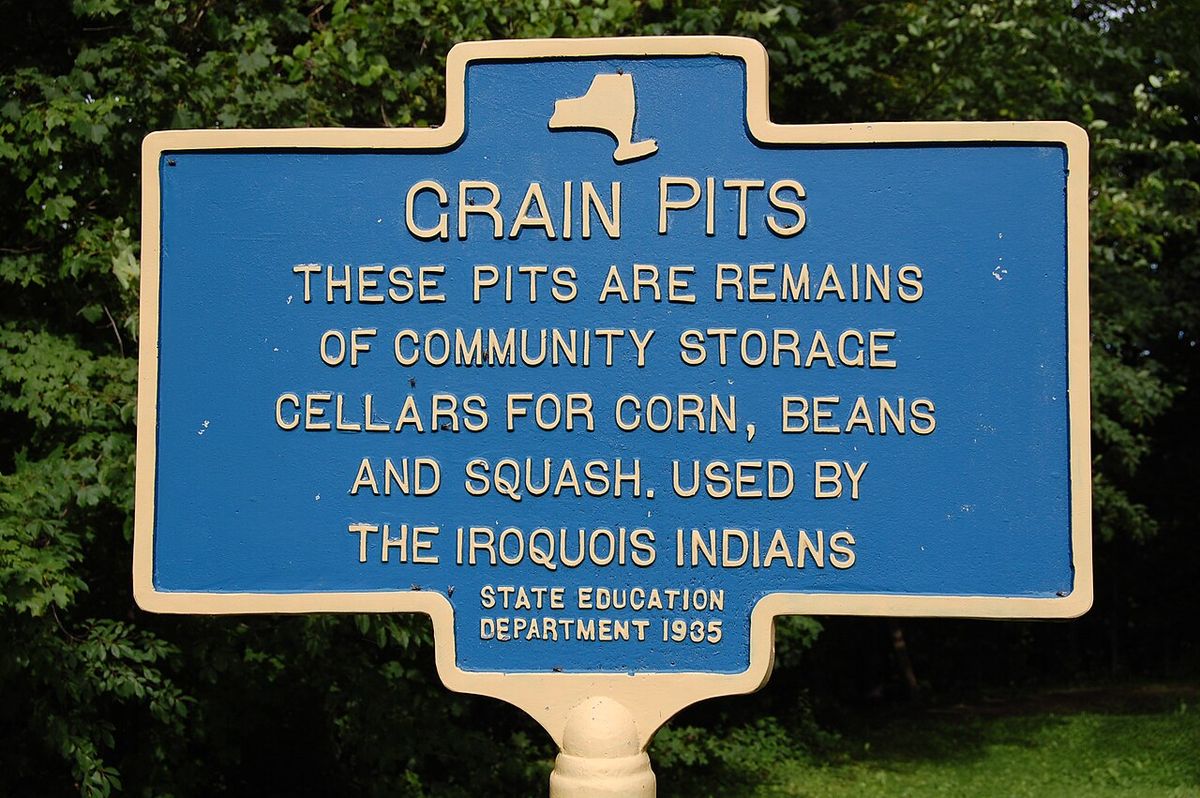
The domestication and development of the Three Sisters complex occurred over a period of five to six and a half millennia, beginning in Mesoamerica. Squash was the first of the trio to be domesticated, approximately 8,000 to 10,000 years ago, followed by maize and then beans. This agricultural knowledge spread northward, becoming integral to many Indigenous societies. By 800 AD, the system was employed at Cahokia, the largest pre-Columbian city north of the Rio Grande, located near modern St. Louis. Cahokia's agricultural complex, which initially grew squash, gourds, maize, and wild beans, produced a substantial food surplus that supported its large population and influenced cultures throughout the Mississippi River system.
For the Haudenosaunee (Iroquois) Confederacy in the Northeast, the Three Sisters were the foundation of subsistence and sedentary life. Their cultivation is deeply embedded in oral traditions and spiritual beliefs. One creation story tells of the crops springing from the body of Earth Woman, with corn, beans, and squash originating from her breasts, hands, and navel respectively. In Haudenosaunee society, women held primary responsibility for the cultivation and distribution of these crops, which raised their social standing. The crops were also important trade goods, with surpluses exchanged with neighbouring non-agricultural peoples. The system's cultural importance persists today, with revitalization efforts like the Iroquois White Corn Project at New York's Ganondagan State Historic Site. In Maya culture, the same agricultural practice is known as the milpa system, which has supported food security, soil health, and biodiversity for thousands of years.
- c. 800 AD: Three Sisters agriculture supports the rise of Cahokia.
- 1250 AD: Domesticated beans are introduced at Cahokia.
- c. 1350 AD: Cahokia site is largely abandoned.
- 1779: Seneca Chief Handsome Lake has a vision of the Three Sisters spirits.
- 1910: First academic description of the Iroquois Three Sisters cropping system is published.
- 1970s: Soviet research provides scientific analysis of the plant synergies.
Productivity and Nutritional Value
The Three Sisters system was historically valued not only for small gardens but for its ability to sustain entire communities through large-scale implementation. Agronomist Jane Mt. Pleasant notes that the mound system enhances the soil environment, minimizes erosion, and efficiently manages plant spacing and nutrients. After millennia of selective breeding, maize, the hemisphere's most important crop, became exceptionally productive, yielding two and a half times more calories per unit of land than Old World grains like wheat and barley. Scholars have estimated varying yields from historical Three Sisters fields. Research reproducing Haudenosaunee methods with traditional varieties reported maize yields ranging from 22 to 76 bushels per acre, with soil fertility and weather being key determinants. Other estimates for Wendat (Huron) agriculture in Ontario, near the northern limit of feasible farming, suggest yields of 8 to 22 bushels per acre, which were still sufficient to produce trade surpluses.
Nutritionally, the combination of maize, beans, and squash is exceptionally complete. Together, they provide all nine essential amino acids, forming a complete protein. The protein from maize is enhanced by contributions from beans and pumpkin seeds, while squash flesh is rich in vitamin A. This polyculture yields approximately the same amount of energy as a maize monoculture but delivers significantly more protein. The system's efficiency in supporting human populations is notable. The no-till methods used by the Haudenosaunee and others helped retain soil organic matter, which some scholars argue resulted in higher yields than those achieved on early Euro-American ploughed farms in the 19th century.
| Scholar/Study | Estimated Yield (bushels/acre) | Notes |
|---|---|---|
| Mt. Pleasant & Burt | 22-76 | Haudenosaunee methods, New York |
| Hart & Feranec | 8-22 | Wendat agriculture, Ontario |
| Munson-Scullin & Scullin | 40, 30, 25 (over 3 yrs) | Experiment in Pakistan/Indian Northern Plains |
| Sissel Schroeder | 18.9 (19th century avg.) | Native American farms |
Three Sisters in Modern Cuisine
In contemporary kitchens, the Three Sisters are most famously united in hearty, comforting dishes like Three Sisters Stew. This dish is a direct culinary translation of the agricultural trio, typically combining winter squash, beans, and corn in a savoury, often tomato-based broth. It is celebrated as a nutritious, plant-based meal and is frequently suggested as a vegetarian or vegan centrepiece for Thanksgiving. The stew embodies the nutritional synergy of the crops, where beans and corn form a complete protein, and squash adds vitamins and substance. Recipes for Three Sisters Stew vary but commonly include additional ingredients like bell peppers, tomatoes, onions, and spices such as cumin and chili powder, creating a flavour profile that is both sweet and gently spiced. The dish is praised for its versatility, depth of flavour, and status as healthy comfort food.
Modern adaptations of the recipe emphasize ease and flexibility. Cooks are encouraged to use pre-peeled squash for convenience, to roast squash ahead of time for deeper flavour, and to allow the stew to rest before serving to let the flavours meld. It is commonly served with cornbread, over rice, or with a side salad. The stew also freezes well, making it a practical make-ahead dish. Beyond stew, the Three Sisters combination appears in soups, as side dishes, and even in appetizers, as noted by PBS Native Voices, which highlights their use by Native chefs in diverse applications. The culinary use of these ingredients honours the Indigenous cultures that developed them, serving as an edible connection to a rich agricultural heritage.
Modern Agricultural Relevance and Research
The Three Sisters system continues to be studied and adapted within modern agriculture as a model of sustainable and regenerative farming. Recent research confirms its enduring ecological benefits, which include improved soil health, increased crop yields, and natural pest control. The broad squash leaves and sometimes spiky vines act as a physical deterrent to pests like deer and raccoons, reducing the need for chemical pesticides. The nitrogen-fixing capability of the beans reduces or eliminates the requirement for synthetic fertilizers. In 2025, research indicated that the system could be modified to fit modern mechanized agriculture through adjustments to plant spacing and placement, demonstrating its ongoing relevance. These adaptations aim to harness the ancient wisdom of polyculture within contemporary farming contexts.
The system is also promoted in gardening circles for its efficiency in small-scale and home garden applications. The companion planting principles are seen as a way to maximize yield in a limited space while building soil fertility. The Three Sisters garden is often highlighted as an educational tool for teaching about Indigenous science, ecology, and sustainable food production. Its holistic approach, which considers plant relationships and long-term soil vitality, offers a counterpoint to industrial monoculture and aligns with growing interests in agroecology and permaculture. As such, the Three Sisters represent not just a historical practice but a living tradition with valuable lessons for future food security and environmental stewardship.
Folklore and Personification
The Three Sisters are frequently personified in the folklore of various Indigenous cultures, often depicted as three human sisters who are inseparable. In a common legend, the sisters are characterized by age and appearance correlating to their plant counterparts. The eldest sister, representing corn, is described as tall and graceful with long, yellow hair, often wearing a pale green shawl. The middle sister, representing beans, is a child dressed in green. The youngest sister, representing squash, wears a yellow dress. A narrative recounts how a young Indigenous boy visits them, impressing them with his hunting skills. One by one, the younger sisters disappear to follow him, leaving the eldest sister to mourn. Eventually, the boy brings the eldest sister to his family's lodge, where she is reunited with her siblings, symbolizing that the three crops should always be planted and eaten together.
This personification underscores the deep cultural and spiritual connection that many Indigenous communities have with these crops. They are not merely sources of sustenance but are viewed as living beings with spirits. A 1910 academic report noted the Iroquois belief that the plants were guarded by three inseparable spirits and would not thrive apart. Such stories were and are a means of transmitting agricultural knowledge and cultural values across generations. The folklore embeds the practical wisdom of intercropping within a rich narrative framework.
Questions about Three Sisters
What are the Three Sisters?
The Three Sisters are the three main agricultural crops traditionally grown together by many Indigenous peoples of North and Central America: maize (corn), climbing beans, and squash. This companion planting system is a form of polyculture where each plant provides specific benefits to the others, creating a sustainable and productive garden. The corn provides a stalk for beans to climb, the beans fix nitrogen in the soil to fertilize all three plants, and the squash leaves shade the ground to retain moisture and suppress weeds. This symbiotic relationship has been used for centuries and remains a foundation of Indigenous agriculture and cuisine.
Why is it called Three Sisters?
The name 'Three Sisters' comes from Indigenous cultural traditions that personify the three crops as sibling sisters who support and thrive best when together. Numerous legends describe them as three human sisters who are inseparable, reflecting the agricultural practice of interplanting them. The name also signifies the deep cultural and spiritual significance these crops hold for many First Nations and Native American communities. They are often central to creation stories, ceremonies like the Haudenosaunee Thanksgiving Address, and are viewed as gifts from the natural world that sustain life.
What is Three Sisters Stew?
Three Sisters Stew is a hearty, traditional dish that directly utilizes the three crops: squash, beans, and corn. It is a thick, savoury stew often made with a tomato base and seasoned with ingredients like peppers, onions, cumin, and chili powder. The stew is celebrated as a nutritious, complete meal because the beans and corn together form a complete protein, while the squash adds vitamins and fibre. It is popular as a vegetarian or vegan comfort food and is frequently served during fall gatherings and Thanksgiving as a way to honour Indigenous foodways.
How do you plant a Three Sisters garden?
To plant a Three Sisters garden, a mound system is traditionally used. Soil is hilled into mounds about a foot high and several feet wide. Several corn seeds are planted in the centre of each mound. Once the corn is a few inches tall, bean seeds are planted around the base of the corn stalks. Squash seeds are then planted in a ring around the edges of the mound or in the spaces between mounds. The corn stalks become a trellis for the beans, the beans fix nitrogen, and the squash vines spread out to shade the soil. This method requires no tilling and is adapted to local climates and varieties.
What are the nutritional benefits of the Three Sisters?
Nutritionally, the Three Sisters combination is exceptionally balanced. Maize provides carbohydrates, beans are rich in protein and fibre, and squash offers essential vitamins like vitamin A and vitamin C. Crucially, maize and beans together provide all nine essential amino acids needed by the human body, forming a complete protein. The squash further enhances the meal with its antioxidant content. This polyculture yields more protein per hectare than growing the crops separately in monocultures, making it an efficient system for supporting human nutrition and community health.
Is the Three Sisters system still used today?
Yes, the Three Sisters system is still used and celebrated today. It is practiced by Indigenous gardeners and farmers maintaining cultural traditions, and has been adopted by many home gardeners and sustainable agriculture advocates interested in companion planting. Modern agricultural research continues to study its benefits for soil health, yield improvement, and pest control. Culinary use of the three crops together in dishes like stews and soups remains popular. Furthermore, the system is a powerful educational model for teaching about Indigenous knowledge, ecology, and sustainable food systems in Canada and beyond.
Sources and further reading
- Three Sisters (Wikipedia)
- Native American Three Sisters Stew (shfb.org)
- Three Sisters Stew (artofnaturalliving.com)
- Best Three Sisters Dish Recipe (delish.com)
- Three Sisters Stew with Squash, Beans & Corn (vegkitchen.com)
Checked by the Novello Desserts desk. Last updated 2026-10-21.