Provigo
Provigo is a major grocery retailer and wholesaler headquartered in Montreal, Quebec. Operating a network of over 300 corporate and franchised stores, it is a dominant food retailing presence throughout the province. Owned by Loblaw Companies Limited since 1998, the chain is known for its traditional supermarkets and its upscale Provigo Le Marché format. Its operations and extensive history are deeply connected to the economy of Quebec.
Origins and Early Expansion
The company was formed in 1969 through the merger of three major Quebec food wholesalers: Montreal-based Couvrette & Provost Ltée., Sherbrooke-based Denault Limitée, and Chicoutimi-based Lamontagne Limitée. This consolidation was a strategic response to growing competition from larger Canadian and American chains, aiming to achieve economies of scale. Antoine Turmel, who had been president of Denault, became the new entity's first chief executive officer. Initially operating under the Couvrette & Provost name, the corporation adopted the name Provigo Inc. in 1970, a name chosen for its positive, dynamic connotations and multilingual appeal. In its first decade, Provigo functioned primarily as a wholesaler and holding company, supplying a network of affiliated retailers. This period saw tremendous growth, with company sales skyrocketing from $182 million in 1970 to $2.3 billion by 1979, making Provigo Canada's third-largest food retailing and wholesaling company by the end of the 1970s. The 1977 acquisition of Ottawa-based M. Loeb Limited was a crucial move, granting Provigo an immediate foothold in Ontario, Western Canada, and the United States, and entry into the pharmaceutical supply business through Loeb's National Drug and Chemical Company of Canada Limited.
Consolidation and Corporate Struggles
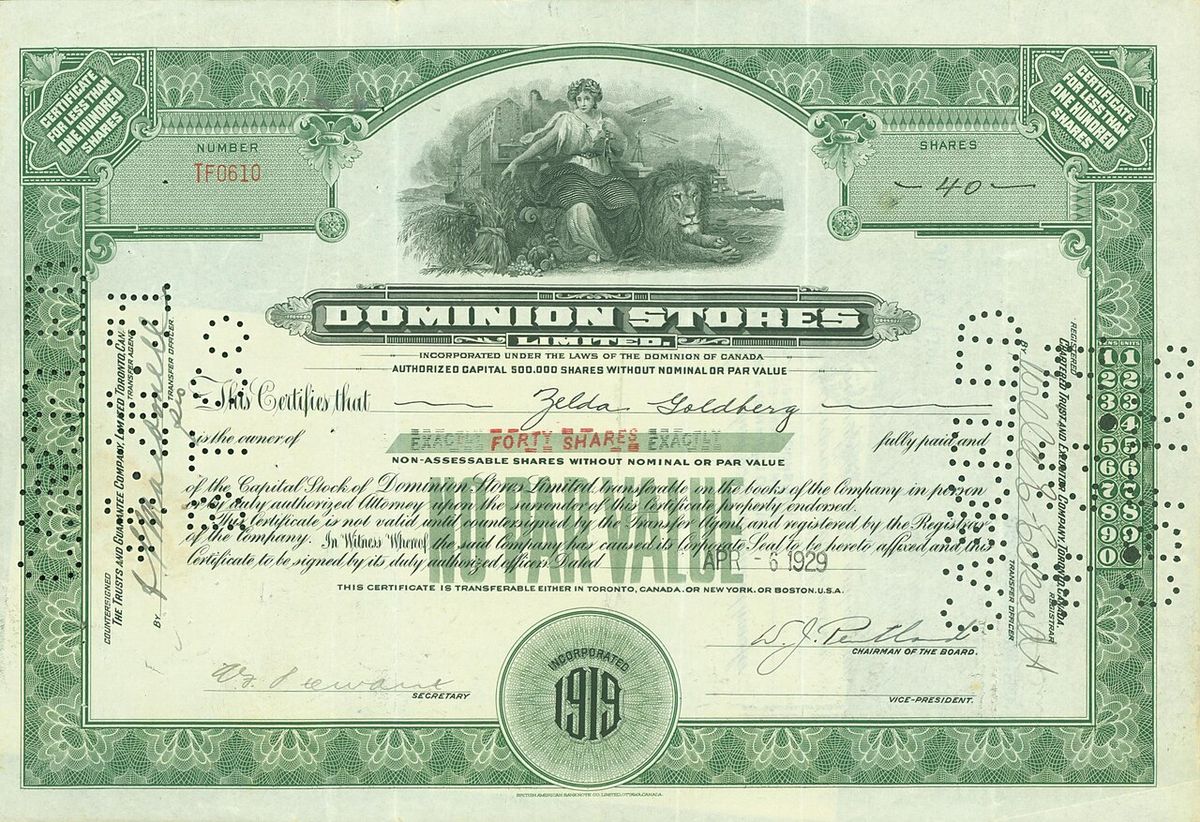
The early 1980s marked a period of significant consolidation and rebranding for Provigo's retail operations in Quebec. In 1980, the Provigo name itself was launched as a unified store banner, replacing the Provigain, Jato, and Aubaines Alimentaires chains. The Provipop corner stores were renamed Jovi, while the Provibec banner persisted until May 1983, when its 285 stores were rebranded under the new AXEP banner. This era also saw aggressive expansion through acquisition, including the purchase of 87 Dominion stores in the Montreal area in 1980 and most of A&P's Montreal locations later on. Non-grocery acquisitions diversified the company's portfolio, such as the sporting goods retailer Sports Experts in 1981.
Financial and corporate control struggles defined much of the mid-to-late 1980s. Following Antoine Turmel's retirement announcement in 1985, a controversial boardroom battle erupted over his succession. The expected successor, chief operating officer Pierre Lessard, was passed over in favour of Montreal Exchange president Pierre Lortie, who became CEO in May 1985. This shift was orchestrated with the involvement of the Caisse de dépôt et placement du Québec and Unigesco, a holding company controlled by Bertin Nadeau, which began acquiring shares. The Sobey family, who had become major shareholders through the Loeb acquisition, were also key players in the fluctuating control of the company. During this turbulent period, Provigo faced fierce competition from Steinberg and dealt with political pressures, ultimately achieving a costly victory in the Quebec market.
Acquisition by Loblaw and Modern Era
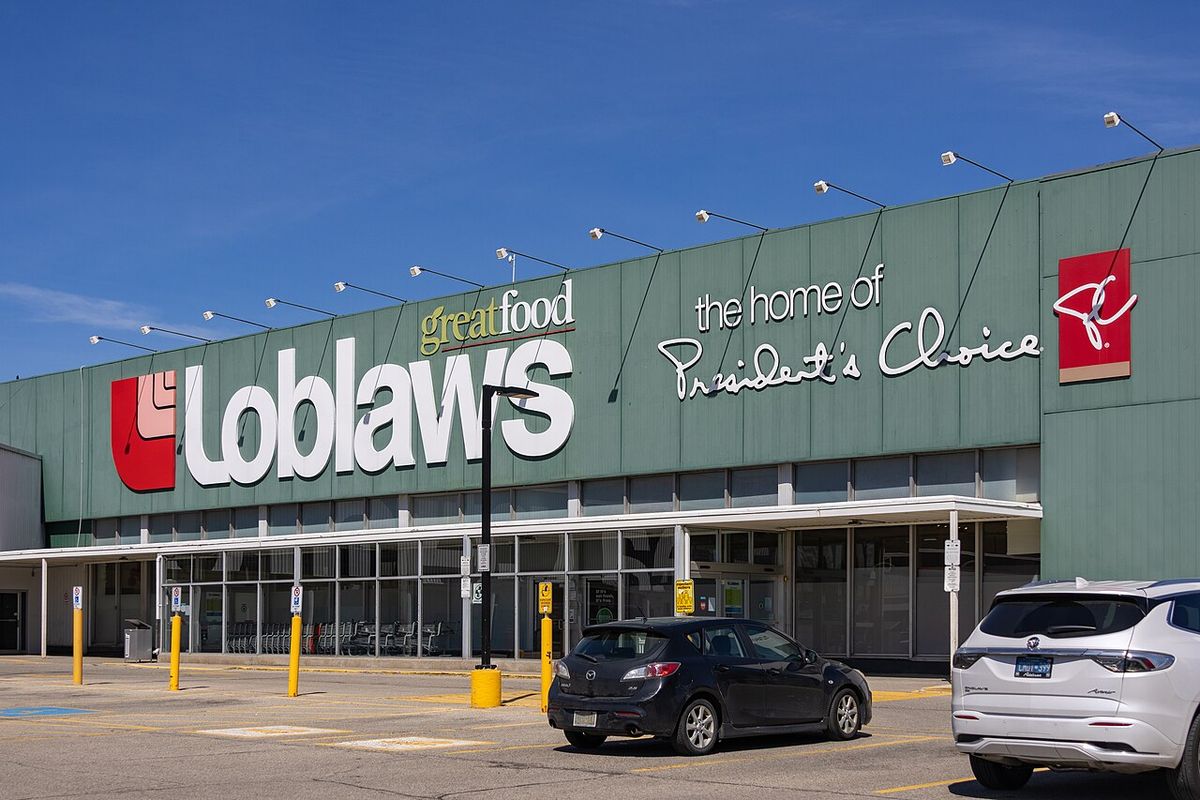
After returning to profitability in the late 1990s, Provigo was purchased by Loblaw Companies Limited in 1998, ending its decades-long run as a Quebec-controlled enterprise. Loblaw's acquisition strategy preserved several key Provigo banners, including Provigo itself, Maxi, Maxi & Cie, L'Intermarché, and AXEP, while also introducing the Loblaws banner to Quebec for the first time. The parent company later repurposed the Provigo logo style and branding for its SaveEasy chain in Atlantic Canada starting in 2008, though the two chains remain separate entities. A major brand evolution began on July 18, 2013, with the launch of Provigo Le Marché, an upscale grocery concept similar to Loblaws CityMarket, with the first store opening in Sherbrooke.
This new format featured Loblaw's familiar 'L' logo instead of Provigo's traditional 'P'. By November 2015, the 'L' logo was adopted chainwide for all Provigo stores, not just the Le Marché locations, as reflected on the company's website and promotional materials. In the contemporary retail environment, Provigo continues to adapt. In early 2023, Loblaw began a process to convert approximately 20 Provigo stores into the lower-cost Maxi brand format.
Store Formats and Retail Banners
Throughout its history, Provigo has operated and supplied a wide array of retail banners, adapting to different market segments and store sizes. The original tiered system from the 1970s provided a framework for growth before the consolidation under the main Provigo name. Following its acquisition by Loblaw, the company maintained a multi-banner strategy within Quebec to cater to diverse consumer needs and shopping preferences. The company's advertising slogan, "Si vite, si bon!" ("So quick, so good!"), has been a consistent marketing message for the chain, and other historical banners that were part of Provigo's network included Provigain, Provibec, Provipop, Aux Vraies Aubaines, Héritage, Jato, and Octofruit.
- Provigo: The flagship supermarket banner, encompassing both traditional full-service stores and the newer, upscale Provigo Le Marché format.
- Maxi & Maxi & Cie: Discount supermarket banners focused on value, which have been expanded through the conversion of some Provigo stores.
- AXEP: A banner used for smaller-format stores, originating from the rebranding of the Provibec chain in 1983.
- L'Intermarché: Another banner retained from the pre-Loblaw era, typically serving local communities.
- Jovi: The name given to the former Provipop corner stores during the 1980 rebranding.
Provigo developed a portfolio of multiple retail banners to serve different neighbourhoods and consumer budgets. In the mid-1970s, its banners included Provigain for large supermarkets, Provibec for medium-sized stores, Provipop for small stores, and Provi-Soir for convenience stores. Other banners it operated or supplied over the years included Aux Vraies Aubaines, AXEP, L'Intermarché, Jato, and Jovi. This range allowed the company to effectively cater to both large weekly shopping trips and quick convenience purchases.
Key Corporate Figures and Ownership
The leadership and ownership of Provigo have seen significant transitions, from its founding by Quebec entrepreneurs to its current status as a division of a national conglomerate. Antoine Turmel, as the first CEO, guided the company from its merger origins through its initial period of explosive growth and expansion into central and western Canada. His intended successor, Pierre Lessard, was a key operational figure before the corporate upheaval of 1985. Pierre Lortie's tenure as CEO, beginning that same year, saw the company through its period of financial challenge and shareholder instability involving the Caisse de dépôt et placement du Québec, Unigesco, and the Sobey family.
Ownership shifts were central to Provigo's corporate story. The Sobey family became the largest shareholder following the Loeb acquisition in 1977, creating a dynamic tension with other major investors. The Caisse de dépôt et placement du Québec's purchase of a stake and its role in installing new leadership marked a significant intervention by Quebec's public pension manager. The ultimate acquisition by Loblaw Companies Limited in 1998 transferred control to Canada's largest food distributor, which has since managed the Provigo brand as a key component of its Quebec strategy, investing in store upgrades and format conversions to maintain market relevance.
Questions about Provigo
What is Provigo Le Marché?
Provigo Le Marché is an upscale grocery store format launched on July 18, 2013. It is similar to Loblaw's Loblaws CityMarket and flagship stores in English Canada, offering a wider selection of fresh, premium, and prepared foods. The first location opened in Sherbrooke, Quebec. Stores under this format and, since November 2015, all Provigo stores use Loblaw's distinctive 'L' logo instead of the traditional Provigo 'P'.
What is the difference between Provigo and Maxi?
Provigo and Maxi are both grocery banners owned by Loblaw Companies Limited in Quebec, but they target different market segments. Provigo operates as a conventional, full-service supermarket, with Provigo Le Marché representing a more premium experience. Maxi, along with Maxi & Cie, is a discount banner focused on offering lower prices. In early 2023, Loblaw began converting approximately 20 Provigo stores into the Maxi format.
Who owns Provigo?
Provigo is owned by Loblaw Companies Limited. Loblaw purchased Provigo in 1998 after the company had become profitable again, ending decades of Quebec ownership. Following the acquisition, Loblaw preserved the Provigo banner for its supermarket operations in Quebec, along with other former Provigo divisions like Maxi, Maxi & Cie, L'Intermarché and AXEP. While Loblaws introduced its namesake stores to Quebec, it maintained Provigo as a key retail banner. The company continues to operate over 300 Provigo stores and franchises throughout the province under Loblaw's ownership.
When was Provigo founded?
Provigo was founded in 1969. It was formed that year by a merger of three major Quebec food wholesalers: Montreal based Couvrette & Provost Ltée., Sherbrooke based Denault Limitée, and Chicoutimi based Lamontagne Limitée. The new entity was initially established under the Couvrette & Provost name. The corporate name was officially changed to Provigo Inc. in 1970. Antoine Turmel, who had been president of Denault, became the company's first chief executive officer.
Is Provigo only in Quebec?
Yes, the Provigo retail banner operates exclusively within the province of Quebec, consisting of over 300 stores and franchises. Historically, the parent company Provigo Inc. expanded its operations beyond Quebec after acquiring Ottawa based Loeb Limited in 1977, which allowed it to move into Ontario, Western Canada and the United States. However, these operations used different retail banners such as Loeb. The Provigo name itself has remained a grocery banner for stores located only in Quebec since Loblaw's acquisition in 1998.
Can I get delivery from Provigo?
Yes, delivery is available from Provigo Franchise locations through services like Uber Eats. Customers can browse the selection of items from their local Provigo Franchise storefront on the Uber Eats platform. Orders can be scheduled for a future date and time, and delivery can arrive in as fast as 25 minutes with real time tracking. Payment is completed through the user's Uber Eats account at checkout. Pickup may also be available at participating Provigo Franchise locations, as indicated on the delivery service's website or app.
Sources and further reading
- Provigo (Wikipedia)
- Provigo (thecanadianencyclopedia.ca)
- Order Provigo Franchise Delivery Online (ubereats.com)
Checked by the Novello Desserts desk. Last updated 2026-10-25.