Canadian whisky
Canadian whisky is a distinctive type of whisky produced exclusively in Canada, known for its characteristically smooth and approachable profile. While often referred to as rye whisky, it is typically a blend of lighter corn-based spirits and more flavourful rye whiskies, a production method codified in Canadian law. The spirit holds a significant place in Canada's economic and cultural history, from its early commercial production in the 19th century to its modern status as a globally recognized export. Today, the category is celebrated for both its classic blended expressions and an expanding range of innovative, award-winning single malts and cask-finished whiskies that demonstrate the diversity of Canadian distilling.
Production and Characteristics
Canadian whisky is legally defined by regulations under Canada's Food and Drugs Act, which are also upheld through international geographical indication agreements. To be labelled as Canadian whisky or Canadian rye whisky, the spirit must be mashed, distilled, and aged in Canada for a minimum of three years in small wood vessels, and it must contain no less than 40 percent alcohol by volume. The regulations permit the addition of caramel for colour and flavouring, provided the final product possesses the aroma, taste, and character generally attributed to Canadian whisky. This framework allows for considerable variation within a recognizable style, balancing consistency with creative freedom for distillers. The production process most commonly involves creating separate base and flavouring whiskies that are later blended. Base whiskies are typically distilled from corn to a high proof, between 180 and 190, which results in a clean, light spirit with few congener by products. Flavouring whiskies, often distilled from rye to a lower proof to retain more grain character, are then blended in to provide the dominant flavour and aroma notes. This blending technique means a whisky can be legally labelled as rye with only a small percentage of rye spirit in the final blend, whereas American rye whisky requires a majority of rye in the mash bill. The minimum three year aging can occur in a variety of wood types, including new charred or uncharred barrels, as well as previously used bourbon or fortified wine casks, contributing to a wide spectrum of possible flavours from vanilla and caramel to dried fruit and spice.
Historical Development
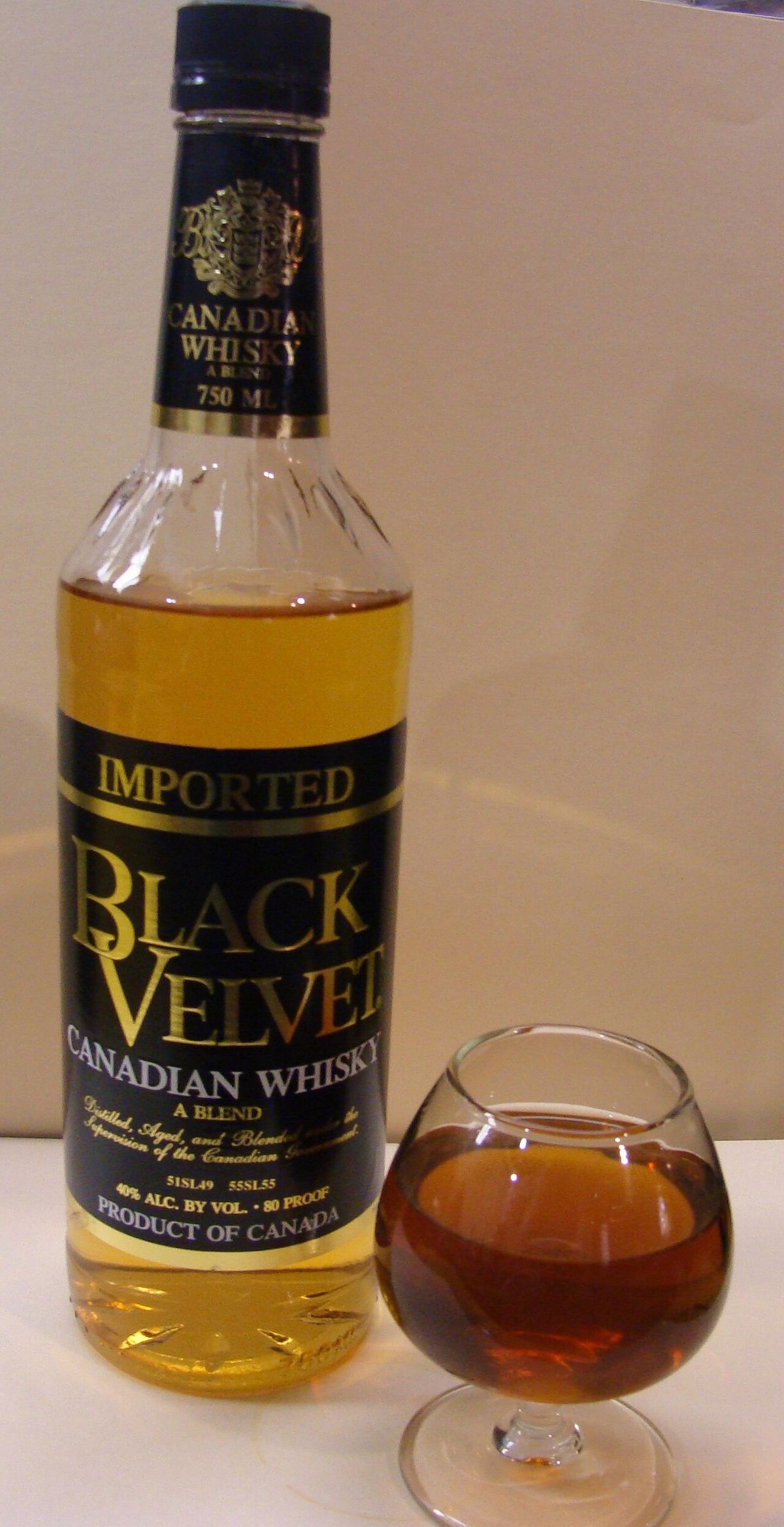
The origins of Canadian whisky lie in the 18th and early 19th century practice of distilling surplus grains at gristmills to prevent spoilage, producing rough, unaged spirits. The first commercial scale production began in 1801 when John Molson, using a copper pot still in Montreal, started exporting whisky to England. The industry expanded significantly in the mid 19th century with the founding of several enduring companies. Gooderham and Worts began in Toronto in 1837, Henry Corby in Corbyville in 1859, and Joseph Seagram in Waterloo in 1864. American immigrants Hiram Walker and J.P. Wiser also established key operations in Windsor and Prescott respectively, with Wiser introducing a rye whisky and Walker pioneering the practice of aging his spirit. The American Civil War created an export opportunity for Canadian whisky, and its quality helped sustain the market even after post war tariffs were introduced. In 1890, Canada became the first country to enact a whisky aging law, requiring a minimum of two years, which was later increased to three. The temperance movement and subsequent prohibition in Canada from 1916 forced distilleries to either export or produce industrial alcohol. This period, along with the onset of American prohibition, led to industry consolidation. Figures like Harry Hatch purchased Gooderham and Worts and the Hiram Walker distillery, while the Bronfman family merged their company with Seagram's in 1928. Samuel Bronfman's strategy of building inventory ahead of American repeal in 1933 positioned Seagram's for massive post prohibition growth, including the 1939 launch of Crown Royal. Post World War II expansion saw new distilleries built in western Canada, such as the Black Velvet distillery in Lethbridge, Alberta in 1973 and the Gimli Distillery in Manitoba in 1969.
The first commercial scale whisky production in Canada began in 1801 when John Molson purchased a copper pot still in Montreal. Gooderham and Worts began producing whisky in Toronto in 1837, surpassing Molson's production by the 1850s. In 1890, Canada became the first country to enact an aging law for whiskies, requiring them to be aged at least two years. The disruption of the American Civil War created an export opportunity for Canadian-made whiskies, a market sustained by their quality. During American prohibition, some Canadian distillers, like the Bronfman family, profited from making whisky destined for the United States.
- 1801: First commercial whisky production by John Molson in Montreal.
- 1837: Gooderham and Worts begins whisky production in Toronto.
- 1858: Hiram Walker establishes his distillery in Windsor, Ontario.
- 1890: Canada enacts the world's first whisky aging law (2 years minimum).
- 1928: The Bronfman family merges their company with Seagram's.
- 1939: Seagram's launches the Crown Royal brand.
- 1969: Seagram's opens the Gimli Distillery in Manitoba.
Modern Industry and Consolidation
This triggered a wave of acquisitions and mergers as multinational corporations sought value brands. In 1987, Alberta Distillers was purchased by Fortune Brands, later part of Suntory Global Spirits, and Hiram Walker was sold to Allied Lyons. Seagram's, a longtime industry giant, was sold to Vivendi in 2000, which then divested its brands and distilleries to Pernod Ricard and Diageo. Schenley was acquired by United Distillers in 1990, becoming part of Diageo, though its Gibson's Finest brand was sold to William Grant and Sons in 2001. Constellation Brands purchased Black Velvet in 1999, later selling it to Heaven Hill in 2019. Despite this consolidation, new producers emerged, such as Kittling Ridge Distillery in Ontario which launched the Forty Creek brand before being purchased by the Campari Group in 2014. More recently, the Sazerac Company purchased the Seagram's VO, Canadian 83 and Five Star brands from Diageo in 2018. Today, the industry is a mix of large scale global operations and smaller craft distilleries, with bulk export for foreign bottling remaining a significant part of the business model for several major producers.
Major Distilleries and Brands
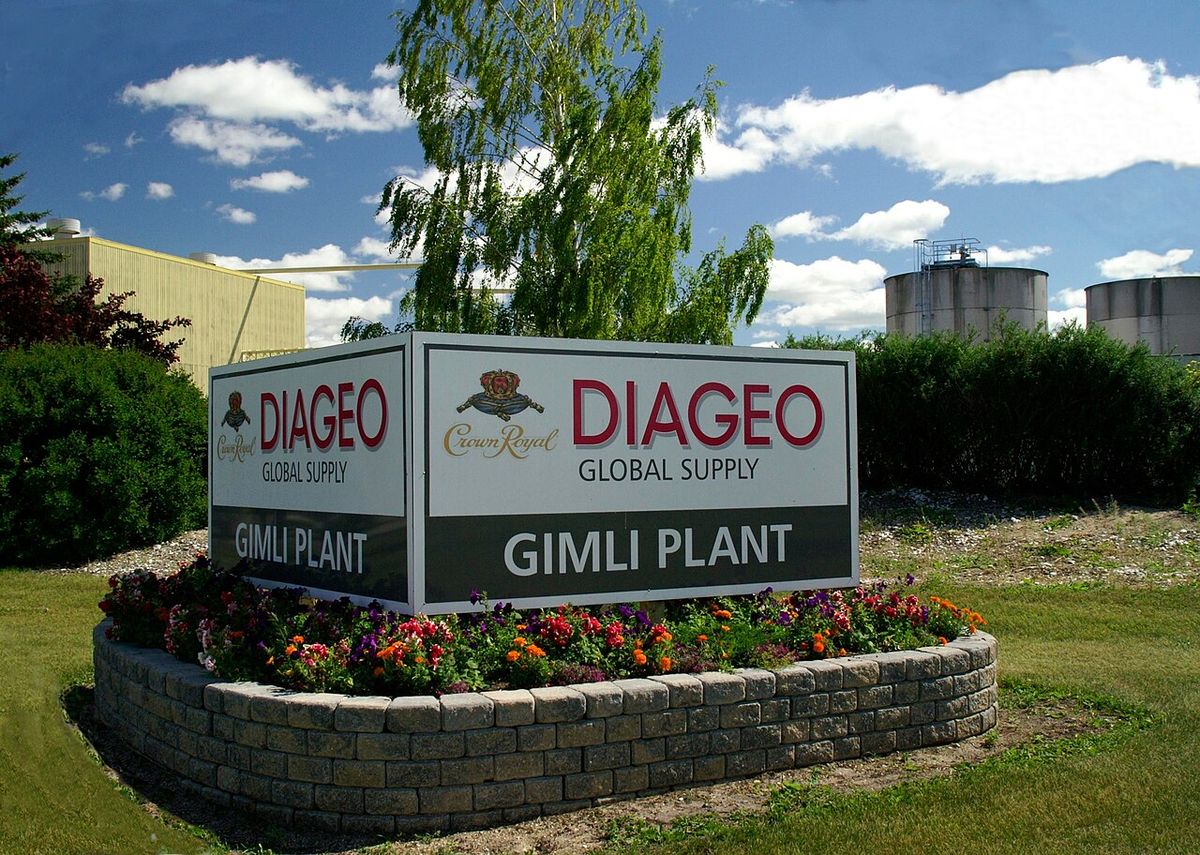
Canadian whisky production is concentrated in several key provinces, each with historic and modern operations. In Alberta, Alberta Distillers in Calgary, owned by Suntory Global Spirits, is renowned for its proprietary rye yeast and produces brands like Alberta Premium and Windsor Canadian. The Black Velvet Distillery in Lethbridge, owned by Heaven Hill, produces its namesake brand mostly for bulk export. Highwood Distillery in High River specializes in wheat based whiskies and produces Centennial and Potter's. In Manitoba, the Gimli Distillery, owned by Diageo, is the global production home for Crown Royal, the world's best selling Canadian whisky, shipping 7 million cases in 2017. Ontario hosts several major facilities. The Hiram Walker Distillery in Windsor, operated by Corby Spirit and Wine, produces J.P. Wiser's, Lot 40, and contract produces Canadian Club. The Canadian Mist Distillery in Collingwood, owned by Sazerac, produces its namesake brand and the Collingwood and Bearface labels. The Kittling Ridge Distillery in Grimsby, owned by Campari Group, produces Forty Creek. In Quebec, the Valleyfield Distillery, owned by Diageo, specializes in producing corn based base whiskies and bottles Seagram's VO. The Old Montreal Distillery, owned by Sazerac, bottles brands like Caribou Crossing.
Crown Royal is the best-selling Canadian whisky in the world, produced at the Gimli Distillery in Manitoba. Canadian Club is a major brand, historically from Hiram Walker and now produced under contract at the Walker Distillery in Windsor. Black Velvet is a successful blend produced at the Black Velvet Distillery in Lethbridge, Alberta. Alberta Premium is a rye-focused brand produced by Alberta Distillers in Calgary. Other notable brands include Gibson's Finest, Forty Creek, and Canadian Mist.
- Crown Royal: A blended whisky launched in 1939, produced in Gimli, Manitoba.
- Canadian Club: A historic brand first produced by Hiram Walker, now produced under contract in Windsor, Ontario.
- J.P. Wiser's: A brand dating to 1857, now produced at the Hiram Walker Distillery, with its 24 Year Old winning top honours in 2026.
- Alberta Premium: A rye forward whisky produced at Alberta Distillers in Calgary.
- Forty Creek: A brand from Kittling Ridge Distillery in Grimsby, Ontario.
- Black Velvet: A blended whisky produced in Lethbridge, Alberta.
- Bearface: A brand known for triple oak maturation, produced at the Canadian Mist Distillery.
- Pike Creek: A brand from Corby Spirit and Wine, known for cask finished expressions.
Awards and Recognition
The quality and innovation within Canadian whisky are formally recognized through annual awards. The Canadian Whisky Awards, held since 2010 during the Victoria Whisky Festival, is an independent competition where a panel of experts conducts blind tastings of spirits distilled and matured in Canada. The 2026 awards, the 16th annual edition, involved 13 judges evaluating approximately 200 whiskies from 47 different producers. J.P. Wiser's 24 Year Old Canadian Whisky was named the 2026 Canadian Whisky of the Year, with judges praising its oak spice, leather, and butterscotch notes. Other major category winners from the 2026 awards included Wayne Gretzky Distillery Maple Cask Whisky as Blended Whisky of the Year, Wild Life Distillery WLD Cask King of the North as Rye Whisky of the Year, and Macaloney's Distillery The Peat Project as Single Malt Whisky of the Year. The Whisky Explorer Awards also honours whiskies available in the Canadian market through blind evaluation, with its 2026 awards naming The Deacon Blended Scotch Whisky as Best Whisky in Canada. These competitions highlight the growing diversity of the category, from traditional blended whiskies to experimental single malts and cask finished expressions, reflecting the sector's vitality and high standards.
A selection of winners from the 2026 Canadian Whisky Awards includes J.P. Wiser's 24 Year Old as Canadian Whisky of the Year and Wayne Gretzky Distillery Maple Cask Whisky as Blended Whisky of the Year. Wild Life Distillery WLD Cask King of the North won Rye Whisky of the Year, while Macaloney's Distillery The Peat Project was named Single Malt Whisky of the Year. BEARFACE Triple Oak won Corn Whisky of the Year, and Pike Creek 22 Year Old PX Cask Finish was awarded Best Whisky Aged Over 15 Years. Sons of Vancouver Distillery was named Canadian Whisky Producer of the Year, and Bill Ashburn of Forty Creek received the Lifetime Achievement Award. The notes discuss the characteristics, history, and major distilleries and brands of Canadian whisky.
- Canadian Whisky of the Year: J.P. Wiser's 24 Year Old
- Blended Whisky of the Year: Wayne Gretzky Distillery Maple Cask Whisky
- Rye Whisky of the Year: Wild Life Distillery WLD Cask King of the North
- Single Malt Whisky of the Year: Macaloney's Distillery The Peat Project
- Corn Whisky of the Year: BEARFACE Triple Oak
- Best Whisky Aged Over 15 Years: Pike Creek 22 Year Old PX Cask Finish
- Canadian Whisky Producer of the Year: Sons of Vancouver Distillery
Cultural and Economic Significance
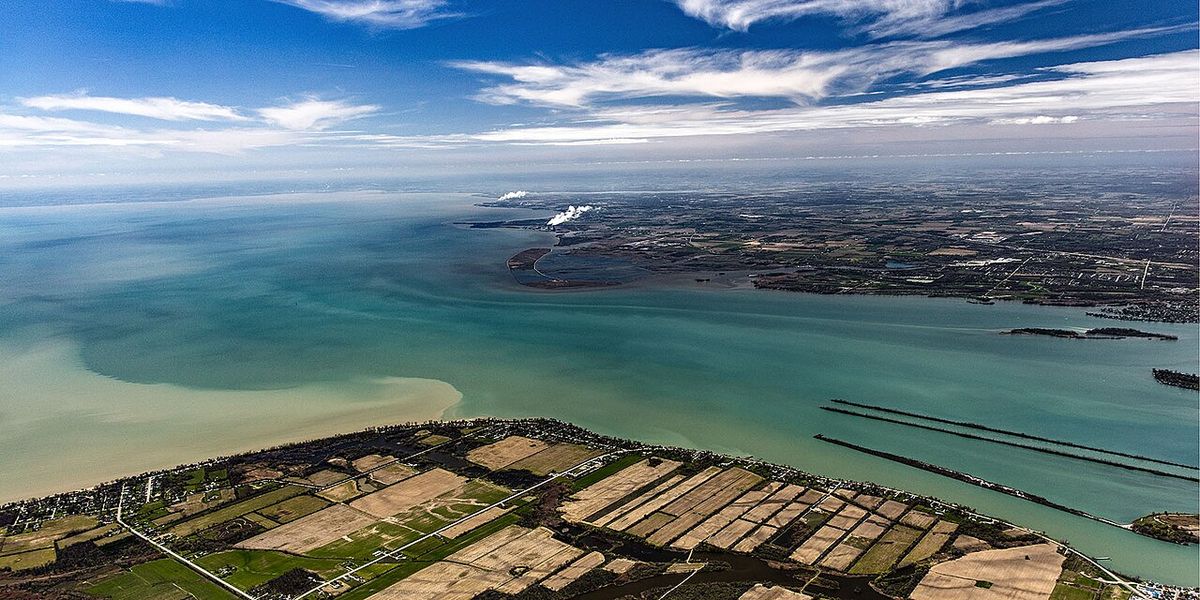
Canadian whisky has played a notable role in both the domestic economy and international trade for over two centuries. Its early development was intertwined with the agricultural sector, providing a market for surplus grain. During prohibition, Canadian whisky was a major commodity in rum running into the United States, with distilleries like Hiram Walker's in Windsor, Ontario, being strategically located for smuggling across the Detroit River. This period, while risky, allowed some Canadian companies to build substantial capital and distribution networks. In the modern era, Canadian whisky remains a major export product, with the United States being the largest market. Brands like Crown Royal have achieved global recognition, making Canadian whisky a prominent ambassador for Canadian spirits worldwide. The industry also contributes to regional economies, providing employment in communities from Gimli, Manitoba, to Lethbridge, Alberta, and supporting agriculture through grain procurement. The recent rise of craft distilling and the success of Canadian whiskies in international competitions confirm the category's ongoing evolution and its importance to Canada's beverage alcohol sector.
Questions about Canadian whisky
Why is Canadian whisky called rye?
Canadian whisky is often called rye due to historical tradition. In early Canadian distilling, corn based whisky that had some rye grain added to the mash bill for flavour came to be commonly referred to as rye. This terminology was later enshrined in Canadian law, where the terms Canadian whisky, Canadian rye whisky, and rye whisky are legally interchangeable. This means a product can be labelled as rye whisky even if it contains only a small percentage of rye spirits, as the defining characteristic is the final flavour profile associated with Canadian style whisky rather than a strict grain composition requirement.
What are the legal requirements for Canadian whisky?
Canadian law stipulates several key requirements for a spirit to be labelled as Canadian whisky. It must be mashed, distilled, and aged entirely within Canada. The ageing must take place in small wood vessels for a minimum of three years. The final product must contain no less than 40 percent alcohol by volume. The regulations allow for the addition of caramel for colouring and flavouring, but the whisky must possess the aroma, taste, and character generally attributed to Canadian whisky. These standards are upheld domestically under the Food and Drugs Act and are protected internationally through geographical indication agreements.
What is the best selling Canadian whisky?
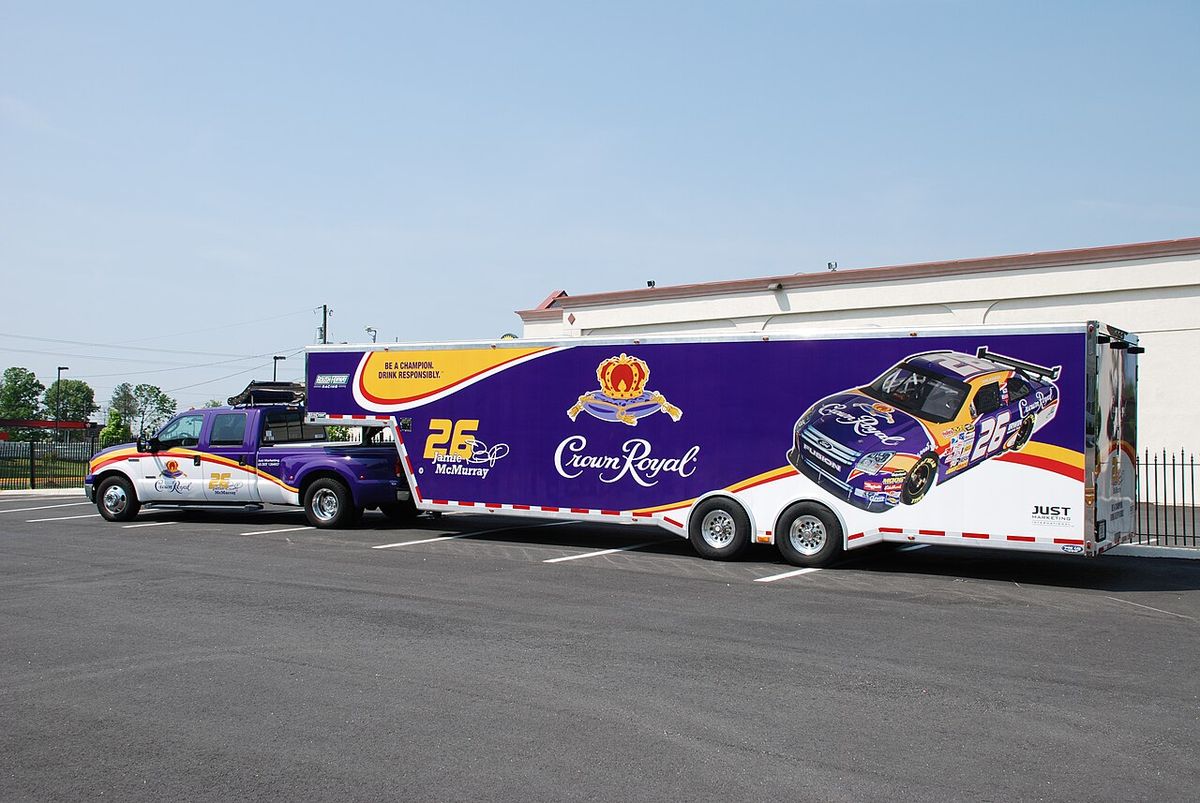
Crown Royal is the best selling Canadian whisky in the world. Produced at the Gimli Distillery in Manitoba, which is owned by Diageo, Crown Royal shipped 7 million cases globally in 2017. The brand was originally created in 1939 to honour the visit of King George VI and Queen Elizabeth to Canada. It is a blended Canadian whisky known for its smooth character and distinctive purple velvet bag packaging. Its sustained popularity in markets like the United States has cemented its position as the category's leading global ambassador and top selling brand by volume.
Which Canadian whisky won top honours in 2026?
J.P. Wiser's 24 Year Old Canadian Whisky was named the 2026 Canadian Whisky of the Year at the Canadian Whisky Awards. This blended whisky, part of the J.P. Wiser's Decades Series, was distilled in 2000 and aged for 24 years. A panel of 13 judges evaluated approximately 200 whiskies in blind tastings, giving the top overall score to this expression. Judges noted flavours of fine oak spice, leather, butterscotch toffee, and nougat. The award was presented at the 16th annual Canadian Whisky Awards gala in Victoria, British Columbia, in January 2026.
How is Canadian whisky typically made?
Canadian whisky is most commonly produced using a blending method that involves creating separate base and flavouring whiskies. The base whisky is usually made from corn and distilled to a high proof, resulting in a light, clean spirit. The flavouring whisky, often made from rye, is distilled to a lower proof to retain more of the grain's character. These components are aged separately for a minimum of three years in various types of wood barrels, which can include new oak or previously used bourbon or wine casks. After ageing, the distiller's blending team combines the whiskies in specific proportions to achieve the desired flavour profile, which is typically smooth and approachable.
Where are the main Canadian whisky distilleries located?
Major Canadian whisky distilleries are located across several provinces. Key operations in Alberta include Alberta Distillers in Calgary, Black Velvet Distillery in Lethbridge, and Highwood Distillery in High River. In Manitoba, the Gimli Distillery is the production home for Crown Royal. Ontario hosts the historic Hiram Walker Distillery in Windsor, the Canadian Mist Distillery in Collingwood, and the Kittling Ridge Distillery in Grimsby. In Quebec, the Valleyfield Distillery near Montreal produces base whiskies and bottles Seagram's VO, while the Old Montreal Distillery bottles other brands. This geographic spread reflects the national scale of the industry.
Sources and further reading
- Canadian whisky (Wikipedia)
- 2026 Canadian Whisky Awards Results (canadianwhiskyawards.com)
- 7 Best Canadian Whiskies to Try from the IWSC 2026 (thewhiskeywash.com)
- TWE Award Winners 2026 (thewhiskyexplorer.ca)
- J.P. Wiser's 24 Year Old Canadian Whisky of the Year 2026 (myvancity.ca)
Checked by the Novello Desserts desk. Last updated 2026-10-28.