Egg foo young
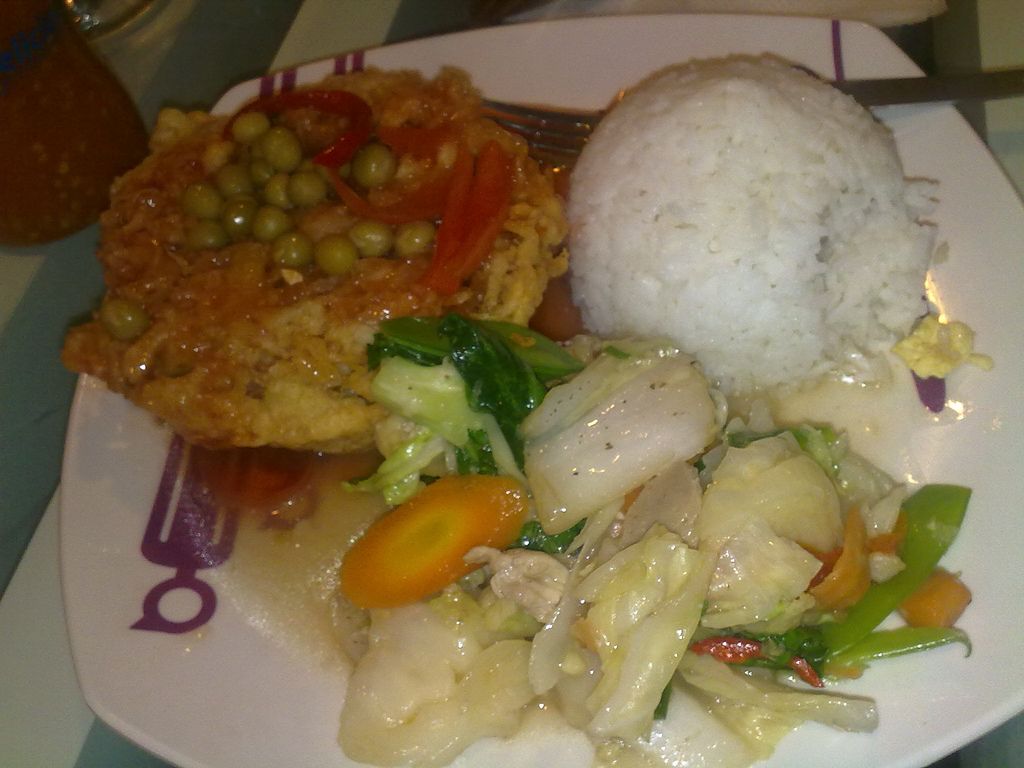
Egg foo young is a Chinese omelette dish consisting of beaten eggs mixed with vegetables and often meat or seafood, typically served with a savoury brown gravy. The dish originates from the southern Chinese coastal province of Guangdong, previously known as Canton. In Canada, it is a common offering in Chinese takeout restaurants and is celebrated as a versatile comfort food that can be customized with available ingredients. Its enduring popularity stems from its fluffy texture, rich flavour, and its origins as a practical way to utilize leftovers. The name egg foo young comes from the Cantonese language pronunciation, with the Chinese characters literally meaning "cotton rose egg" or "lotus egg".
Origins and etymology
The dish originates from the southern Chinese coastal province of Guangdong, historically known as Canton. Its name in Cantonese, 芙蓉蛋 (fúróngdàn), translates literally to 'cotton rose egg' or 'lotus egg', a poetic reference to the hibiscus flower. The spelling variations common in English, such as egg foo yung or egg fu yung, are phonetic renderings of the Cantonese pronunciation. While its roots are in China, the version popularized in North America and other Western countries represents a distinct hybrid creation. Chinese chefs in the United States, as early as the 1930s, developed the pancake-like omelette filled with eggs, vegetables, and protein, often served with a signature gravy. This adaptation was specifically crafted to suit American and, by extension, Canadian palates, establishing it as a fundamental part of Westernized Chinese cuisine. The dish is sometimes referred to on menus simply as 'omelette', and its creation is widely attributed to the ingenuity of immigrant cooks working with available ingredients.
Preparation and key ingredients
Traditional egg foo young preparation involves beating eggs and combining them with a variety of finely chopped ingredients. The egg mixture forms the base into which other components are folded before cooking. The dish is renowned for its versatility, often serving as a method for using leftover vegetables and proteins. A typical recipe begins by whisking eggs with seasonings like soy sauce, white pepper, and garlic powder. The filling is then incorporated directly into the egg batter. Common vegetable additions include bean sprouts, bamboo shoots, sliced cabbage, spring onions, mushrooms, water chestnuts, carrots, and celery. For protein, cooks may add roast pork, shrimp, chicken, beef, crab meat, or lobster. In home cooking, the mixture is typically ladled into a hot, oiled skillet and shallow-fried until golden brown on both sides, creating a fluffy texture with crispy edges. Restaurant versions are frequently deep-fried in a wok to achieve a particularly light and puffy consistency. The dish is almost invariably accompanied by a sauce or gravy, which is poured over the omelette before serving. The size of the omelette can vary from small, individual patties to large, dinner plate-sized portions depending on the cook's preference.
Standard proteins and vegetables used in egg foo young include a wide selection. Common vegetables are bean sprouts, bamboo shoots, sliced cabbage, spring onions, mushrooms, and water chestnuts. Common protein choices are roast pork, shrimp, chicken, beef, or lobster.
The dish is highly adaptable and often made with whatever ingredients are on hand. In Western versions, it is a well folded omelette with the ingredients embedded in the egg mixture. The recipe evolved as a way to use up leftovers, so cooks can use almost any vegetables and proteins. This flexibility is a key characteristic of the dish.
- Proteins: Shrimp, roast pork, chicken, beef, crab meat, lobster, and ground pork.
- Vegetables: Bean sprouts, bamboo shoots, sliced cabbage, spring onions, mushrooms, water chestnuts, carrots, and celery.
- Seasonings: Soy sauce, white pepper, garlic powder, and salt.
- Cooking fats: Neutral oils like vegetable or canola oil for frying.
The dish is highly adaptable and often made with whatever ingredients are on hand. In Western versions, it is a well folded omelette with the ingredients embedded in the egg mixture. The recipe evolved as a way to use up leftovers, so cooks can use almost any vegetables and proteins. This flexibility is a key characteristic of the dish.
The signature gravy
The gravy is a defining component of North American style egg foo young, distinguishing it from many Asian versions that may use only a light drizzle of soy sauce. This savoury brown sauce is a thickened, umami-rich blend that complements the mild flavour of the omelette. A standard gravy recipe combines chicken or vegetable broth with soy sauce and oyster sauce for depth. Rice vinegar or Chinese cooking wine like Shaoxing wine adds a subtle tang, while a small amount of brown sugar provides balancing sweetness. The mixture is thickened with a cornstarch slurry, which gives it a velvety, glossy consistency. Sesame oil is often stirred in at the end for aroma, and the gravy is seasoned with white or black pepper. The sauce is simmered until it reaches the desired thickness before being served warm over the cooked omelette. Many home cooks appreciate the gravy's simplicity, as it can be prepared in a few minutes while the egg foo young cooks, making the entire dish a feasible weeknight meal. Some regional restaurant versions, such as one remembered from a Cleveland establishment called Ho Wah, featured a notably dark and thick gravy, which remains a benchmark for enthusiasts of the dish.
Global variations and related dishes
Egg foo young has inspired numerous regional adaptations across the world, each integrating local ingredients and tastes. In Chinese Indonesian cuisine, a version known as fu yung hai is popular, often made with crab meat and served with a sweet and sour sauce containing peas. The Netherlands, influenced by its Indonesian community, serves a dish called Foeyonghai, typically accompanied by a sweet tomato sauce. In Japan, a similar dish called kani-tama uses crab meat and is served over rice with a thick savoury sauce, a combination known as Tenshin-han. Thai cuisine features Khai Chiao Yat Sai, a stuffed fried egg commonly filled with minced pork and spring onions. Within North America itself, a notable regional variation is the St. Paul sandwich, originating from St. Louis, Missouri. This preparation places an egg foo young patty between two slices of white bread with mayonnaise, dill pickle, lettuce, and tomato. Other related international dishes include the Vietnamese chả trứng hấp, a steamed egg mixture, and the Malay telur bungkus, which is an egg wrap containing meat and vegetables. These variations demonstrate the dish's adaptability and the way it has been integrated into diverse food cultures while maintaining its core identity as an egg-based preparation.
Specific international variations of egg foo young and related dishes exist. In Chinese Indonesian cuisine, it is known as fu yung hai and often contains crab meat, shrimp, or chicken, served with a sweet and sour sauce. In the Netherlands, it is called Foeyonghai and is usually served with a sweet tomato sauce. In Japan, a similar dish called kani-tama uses crab meat and is served on rice as Tenshin-han.
- Fu yung hai: The Chinese Indonesian version, often containing crab and served with sweet and sour sauce.
- Foeyonghai: The Dutch adaptation, usually served with a sweet tomato sauce.
- Kani-tama: The Japanese version using crab meat, served as part of Tenshin-han (Tianjin rice).
- Khai Chiao Yat Sai: The Thai stuffed fried egg, typically filled with minced pork and spring onions.
- St. Paul sandwich: An American variation from St. Louis, featuring the omelette patty in a sandwich.
- Chả trứng hấp: A similar Vietnamese steamed egg dish.
- Telur bungkus: A Malay dish of egg wrapped around fillings like chicken, beef, and vegetables.
Each international variation reflects local culinary preferences and ingredients. In Vietnam, a similar dish is called chả trứng hấp. In Malay cuisine, a similar dish is telur bungkus, which is a wrapped egg containing meat and vegetables. In Thai cuisine, it is called Khai Chiao Yat Sai, meaning stuffed fried egg, and commonly uses minced pork and spring onion.
Cooking techniques and home preparation
Successful home preparation of egg foo young relies on a few key techniques to replicate the texture found in restaurants. The first step is ensuring all vegetable and protein additions are finely chopped or shredded so they cook quickly within the egg matrix. If using harder vegetables like carrots or zucchini, they are often sautéed briefly before being added to the egg batter. The egg mixture should be gently folded, not overbeaten, to maintain structure and create air pockets during cooking. Heating the cooking oil to the correct temperature, between 325 and 350 degrees Fahrenheit, is critical for achieving a crispy exterior without absorbing excess grease. Using a cast-iron or nonstick skillet with about a third of an inch of oil allows for effective shallow frying. Cooks ladle the batter into the hot oil, where it should sizzle immediately and begin to puff up. Basting the top of the omelette with hot oil helps it cook evenly before it is carefully flipped. The result should be a golden brown, fluffy patty that is fully set in the centre. Draining the cooked omelettes on a paper towel-lined plate removes any excess oil before they are served smothered in gravy.
Common ingredient substitutions and customizations for home cooks include proteins like raw shrimp, ground pork, diced ham, shredded chicken, or crab meat. Vegetables such as mung bean sprouts, shredded cabbage, shredded carrots, mushrooms, onions, celery, or water chestnuts are all standard choices. Sauce variations can involve using coconut aminos for a lower-sodium alternative to soy sauce, or adding chili oil for a spicy twist. The preparation style can vary from making smaller, individual omelettes to one large, plate-sized version. The dish's adaptability is one of its greatest strengths, encouraging cooks to use available ingredients. Many recipes emphasize that egg foo young was originally created to use up leftovers, so strict adherence to a specific ingredient list is not necessary. This flexibility has contributed significantly to its longevity as a home-cooked favourite, with many considering a homemade version to be healthier and more tailored to personal taste than restaurant offerings.
Nutritional profile and dietary considerations
When prepared at home, egg foo young can be a relatively balanced and nutritious meal. A typical serving provides a good source of protein from the eggs and added meat or seafood, along with vitamins and fibre from the vegetable fillings. The primary sources of fat come from the cooking oil and the eggs themselves. The nutritional content varies widely based on the specific ingredients and cooking method used. A sample analysis for a shrimp and bean sprout version indicates approximately 278 calories, 22 grams of protein, 16 grams of fat, and 11 grams of carbohydrates per serving. The dish is naturally low in carbohydrates, especially when served without rice. The sodium content is largely dependent on the amount of soy sauce and oyster sauce used in both the omelette and the gravy. To create a healthier version, cooks can use low-sodium soy sauce, increase the proportion of vegetables, and employ cooking spray or a well-seasoned nonstick pan to reduce the oil required for frying. Omitting the gravy or preparing a lighter version further reduces the calorie and sodium count. As such, egg foo young can be adapted to fit various dietary preferences while remaining a satisfying and flavourful dish. Some home cooks substitute ingredients like cabbage for bean sprouts or use amino acids instead of soy sauce to meet specific dietary needs, demonstrating the recipe's inherent flexibility.
Place in modern cuisine and recipe evolution
Egg foo young maintains a steady presence in contemporary home cooking, with numerous recipes and video tutorials published online as recently as 2025 and 2026. Food writers and chefs often describe it as one of the greatest retro Chinese American comfort foods of all time, noting its revival among home cooks seeking to recreate takeout favourites. The dish is frequently promoted as an easy 'fakeaway' option that is quick to make and highly versatile. Online recipes from sources like the New York Times and various food blogs provide detailed instructions for achieving the characteristic fluffy texture and rich gravy at home, often with updated step-by-step photos. These modern interpretations continue to emphasize the dish's original purpose of using leftovers, but also offer specific combinations such as shrimp with a chili oil twist or chicken with a tangy gravy. The ongoing publication and updating of these recipes, including notes on ingredient substitutions and cooking tips, reflect the dish's active and evolving role in home kitchens. This sustained interest ensures that egg foo young remains a relevant and accessible part of cooking for new generations.
Notable modern recipe publications and updates for egg foo young are widely shared. Recipes are published on various cooking websites and in media like the New York Times. These resources often describe it as a fluffy Chinese American omelette filled with vegetables and meat, served with a savory gravy. They show the continuous development and sharing of the recipe across different platforms.
- "Egg Foo Young Recipe" published by the New York Times, detailing a method with shrimp and mung bean sprouts.
- "The Best Egg Foo Young for One" from Food Wishes, published online.
- "Egg Foo Young Recipe (Chinese Omelette)" from Small Town Woman, originally published July 25, 2025.
- "Easy Homemade Egg Foo Young" from a New Zealand-based source.
- "Egg Foo Young Recipe with Shrimp and Chili Oil Twist" from Bri's Heat.
- "New School Egg Foo Young" article discussing its modern preparation.
- Wikipedia page for the dish last edited on September 21, 2026.
These resources demonstrate the dish's ongoing popularity and adaptation. Many recipes highlight its history as a creation by Cantonese immigrant restaurateurs in the 1900s for American palates. They also provide methods for home cooking, such as shallow frying in a skillet to achieve a fluffy texture. The sharing of these recipes helps maintain the dish's place in modern home cooking.
Cultural significance in North America
Egg foo young holds a distinct place in the history of Chinese diaspora cuisine in North America. It emerged during a period when Cantonese immigrants adapted their culinary traditions to locally available ingredients and Western tastes, leading to the creation of a unique Chinese American food culture. The dish is often categorized among 'retro' Chinese American comfort foods, evoking nostalgia for classic takeout meals. In Canada, it is a familiar item on the menus of countless Chinese Canadian restaurants, from coast to coast. Its status as a vehicle for leftovers resonated during times of economic constraint, reinforcing its practicality and appeal. Despite sometimes being overlooked in favour of more contemporary dishes, egg foo young has experienced a resurgence in popularity among home cooks. Food writers and chefs often celebrate it for its simplicity, depth of flavour, and the story it tells about cultural adaptation and culinary innovation. The dish's enduring presence on menus and in home kitchens confirms its role as a beloved staple that bridges cultural traditions. Its story, from a practical use for leftovers in immigrant kitchens to a celebrated comfort food, illustrates the dynamic nature of food culture.
Questions about Egg foo young
What is egg foo young?
Egg foo young is a Chinese omelette dish made from beaten eggs combined with vegetables and often meat or seafood, such as shrimp, pork, or chicken. It is typically pan-fried or deep-fried until puffy and golden, then served with a savoury brown gravy. The dish originated in Guangdong, China, but was popularized in North America by Cantonese immigrant restaurateurs. It is a common item in Chinese takeout and is valued for its versatility and comfort food qualities.
How do you make egg foo young gravy?
The classic gravy for egg foo young is a thickened brown sauce made from broth, soy sauce, and oyster sauce. To prepare it, combine chicken or vegetable broth with soy sauce, oyster sauce, and a touch of rice vinegar or Shaoxing wine in a saucepan. Bring the mixture to a simmer. In a separate bowl, mix cornstarch with a small amount of cold water or reserved broth to create a slurry, then whisk it into the simmering sauce. Cook, stirring constantly, until the gravy thickens. Finish by stirring in a small amount of sesame oil and seasoning with pepper to taste.
Can I make egg foo young without meat?
Yes, egg foo young can easily be made as a vegetarian dish by omitting the meat or seafood. The omelette base of eggs and vegetables is fully adaptable. You can increase the quantity of vegetables such as bean sprouts, mushrooms, carrots, and cabbage to create a satisfying meal. For a vegan alternative, you would need to substitute the eggs and any animal-based sauces, which significantly alters the traditional character of the dish. The gravy can be made vegetarian by using vegetable broth and a vegetarian oyster sauce alternative.
What is a St. Paul sandwich?
A St. Paul sandwich is a distinctive American regional variation associated with egg foo young, originating from St. Louis, Missouri. It consists of an egg foo young patty served between two slices of white bread. The sandwich is typically dressed with mayonnaise, dill pickle slices, and sometimes lettuce and tomato. This creation transforms the omelette into a handheld sandwich format and remains a local specialty in the St. Louis area, though it is not commonly found on standard Chinese Canadian menus.
Is egg foo young considered authentic Chinese food?
The version of egg foo young served in North America with a thick brown gravy is a Westernized adaptation. It was created by Cantonese immigrant restaurateurs in the United States in the 1900s. In China, particularly in Guangdong, there are similar stuffed omelette dishes, but they are usually not served with such a gravy. Therefore, the North American version is considered an authentic part of Chinese American cuisine.
What are common fillings for egg foo young?
Common fillings for egg foo young include a wide array of vegetables and proteins. Standard vegetable additions are bean sprouts, onions, mushrooms, celery, bamboo shoots, cabbage, and water chestnuts. For protein, the most popular choices are shrimp, ground or roast pork, chicken, and crab meat. The dish is famously adaptable, and many recipes encourage using whatever leftovers or available ingredients you have on hand, which is part of its traditional appeal as a practical and economical meal.
Sources and further reading
- Egg foo young (Wikipedia)
- Egg Foo Young (Chinese Omelette) (recipetineats.com)
- Egg Foo Young Recipe (Chinese Omelette) (smalltownwoman.com)
- Egg Foo Young Recipe, NYT Cooking (cooking.nytimes.com)
- Easy Homemade Egg Foo Young (vjcooks.com)
Checked by the Novello Desserts desk. Last updated 2026-10-25.