Fiddlehead
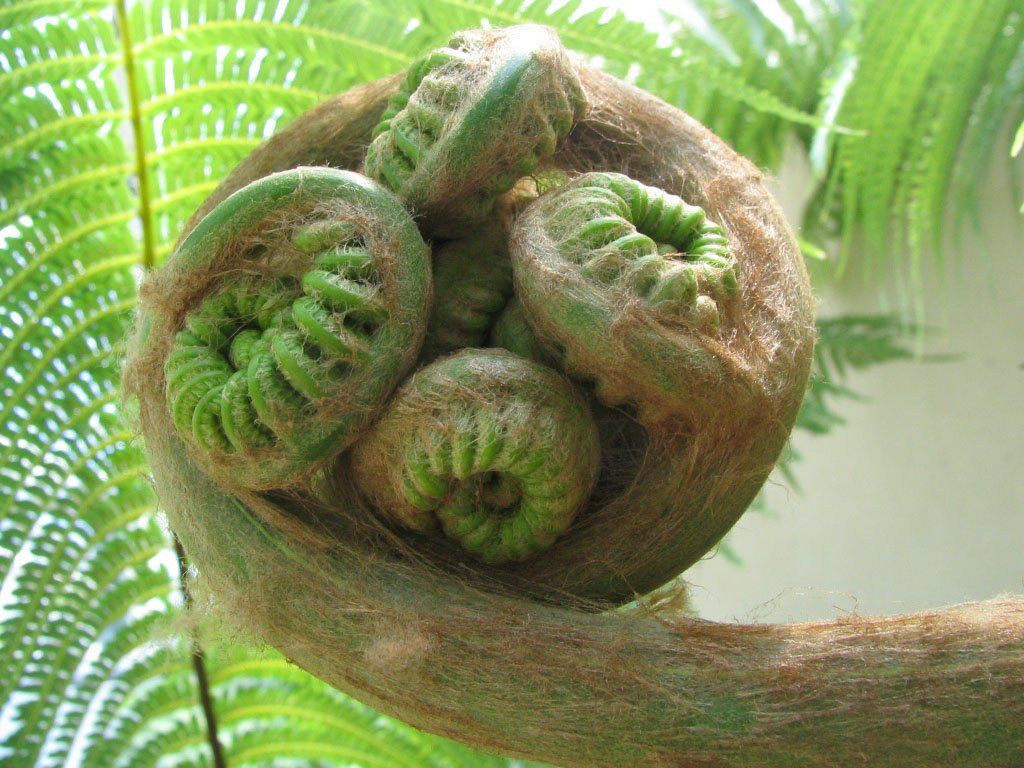
Fiddleheads are the tightly coiled, edible young shoots of certain fern species, harvested in early spring before the fronds unfurl. Named for their resemblance to the scroll of a fiddle, they are a celebrated seasonal delicacy across Canada, particularly in the Maritimes and Quebec, where they symbolize the arrival of spring. Their unique flavour, often compared to a cross between asparagus and green beans, and their brief availability have made them a prized ingredient in both home kitchens and restaurants. While ostrich fern fiddleheads are the primary variety consumed in North America, they require thorough cooking to ensure safety and are enjoyed in a variety of dishes from simple sautés to pickles.
Identification and Varieties
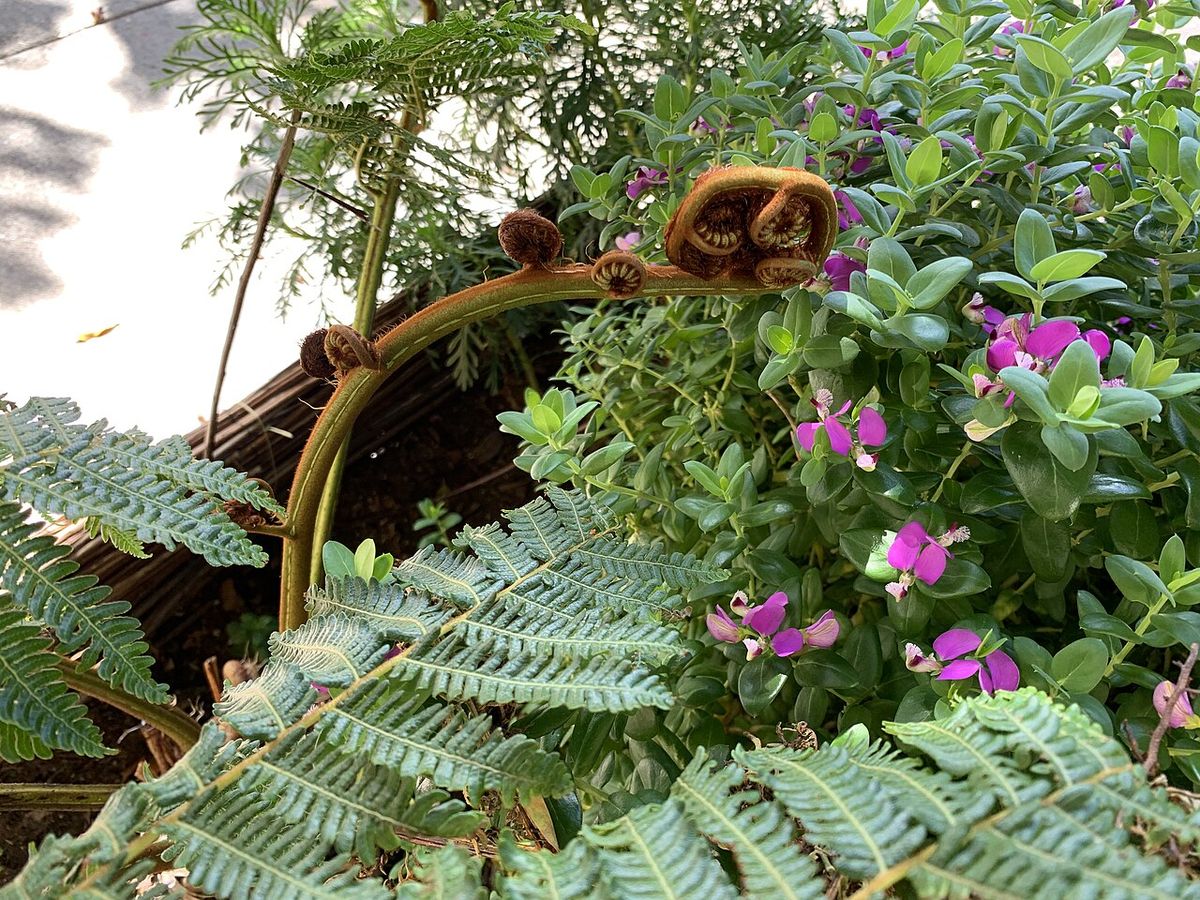
Fiddleheads are the furled fronds of young ferns, harvested just as they emerge from the ground in a tight, spiral coil. This stage of growth is known as circinate vernation, and if left unharvested, the fiddlehead would unroll into a full fern frond. While several fern species produce edible fiddleheads, the ostrich fern (Matteuccia struthiopteris) is the most commonly consumed and commercially harvested variety in North America. This fern is native to northern regions worldwide and is prevalent in the forests of eastern Canada and the northeastern United States. Other edible species include the bracken fern (Pteridium aquilinum), the lady fern (Athyrium filix-femina), and the cinnamon fern (Osmunda cinnamomea), though their palatability and safety profiles differ. It is crucial to correctly identify ostrich ferns, as not all fern fiddleheads are safe for consumption, with some containing natural toxins.
The ostrich fern itself is a tall, shade-loving plant that thrives in damp, wooded areas, often near streams or rivers. The fiddleheads appear in clusters from the crown of the plant and are typically harvested when they are about five to fifteen centimetres tall. They are characterized by a smooth, bright green stem with a deep, U-shaped groove on the inside and a brown, papery husk that must be removed before cooking. Foragers are advised to take only one third of the tops from any given plant or cluster to ensure a sustainable harvest that allows the fern to regenerate for future seasons. This practice has been followed by Indigenous harvesters for centuries and is essential for maintaining wild populations.
Historical and Cultural Significance
The consumption of fiddleheads has a long and rich history across many cultures. Indigenous peoples in Eastern Canada, including the Maliseet, Mi'kmaq, and Penobscot, have foraged and eaten fiddleheads for centuries as a vital spring food source. They introduced the vegetable to Acadian settlers in the early 18th century, and later to United Empire Loyalists who began settling in New Brunswick in the 1780s. From this foundation, fiddleheads became a entrenched part of regional cuisine, particularly in New Brunswick, where they are considered an emblematic dish. The village of Tide Head, New Brunswick, proudly bills itself as the 'Fiddlehead Capital of the World,' highlighting its connection to this wild harvest.
Beyond North America, fiddleheads feature prominently in traditional diets around the globe. In Northern France, they have been eaten since the Middle Ages, while in Asia, they are a common spring vegetable. In Korea, prepared fernbrake fiddleheads known as gosari-namul are a staple side dish and a key component of bibimbap. In Japan, fiddleheads called kogomi (from bracken) and zenmai (from flowering fern) are foraged as sansai, or mountain vegetables. Across the Indian subcontinent, from Assam to Uttarakhand and Jammu and Kashmir, various fern shoots are stir-fried, pickled, or cooked with proteins. In Nepal, they are known as niyuro and are often cooked in clarified butter or pickled. This widespread culinary use shows the fiddlehead's role as a valued seasonal resource in diverse food traditions.
Harvesting and Availability
Fiddlehead season is notoriously short, typically lasting only from late April to early June, depending on local climate and conditions. The harvest window begins when the soil is moist from spring rains and ends as the fronds begin to unfurl. In Canada, commercial harvesting is concentrated in New Brunswick, Quebec, and parts of Nova Scotia, with significant wild harvesting also occurring in Maine, Vermont, and New Hampshire. The first commercial fiddlehead farm in Ontario was established in Port Colborne in 2006, indicating a growing interest in cultivated production. Despite this, most fiddleheads available in markets are still foraged from the wild, contributing to their seasonal scarcity and relatively high cost when fresh.
Fresh fiddleheads are a fleeting luxury, available at farmers' markets and some grocery stores for just a few weeks each spring. To extend their availability, they are commonly preserved. They can be pickled, creating a tangy condiment that lasts for months, or frozen for later use. Proper freezing requires blanching the cleaned fiddleheads in boiling water for two minutes, plunging them into ice water, drying them thoroughly, and then storing them in airtight freezer bags for up to six months. It is critical to note that frozen fiddleheads must be boiled for at least ten minutes before consumption to ensure safety. These preservation methods allow Canadians to enjoy the taste of spring throughout the year.
Nutrition and Health Considerations
Fiddleheads are a nutritious vegetable, low in sodium and a good source of potassium. However, they require specific preparation to be safe for eating. Raw or undercooked fiddleheads, particularly from bracken ferns, can cause acute gastrointestinal illness, with symptoms like nausea, vomiting, diarrhea, and abdominal cramps lasting up to three days. Bracken ferns also contain ptaquiloside, a known carcinogen linked to gastric and esophageal cancers with long-term consumption. While ostrich ferns do not contain ptaquiloside, they do contain thiaminase, an enzyme that breaks down thiamine (vitamin B1), which could contribute to a deficiency if consumed in extreme excess.
Consequently, health authorities, including Health Canada, provide strict cooking guidelines to neutralize potential toxins and destroy harmful enzymes. The recommended method is to boil fiddleheads in water for a full 15 minutes or to steam them for 10 to 12 minutes. This thorough cooking is non-negotiable for safety. Gourmet recipes often begin with this boiling or steaming step before proceeding to sautéing or incorporating the fiddleheads into other dishes. This process also reduces any inherent bitterness and results in a tender-crisp texture. Adhering to these cooking times ensures that fiddleheads can be enjoyed as a safe and healthy part of a balanced diet.
Culinary Preparation and Popular Recipes
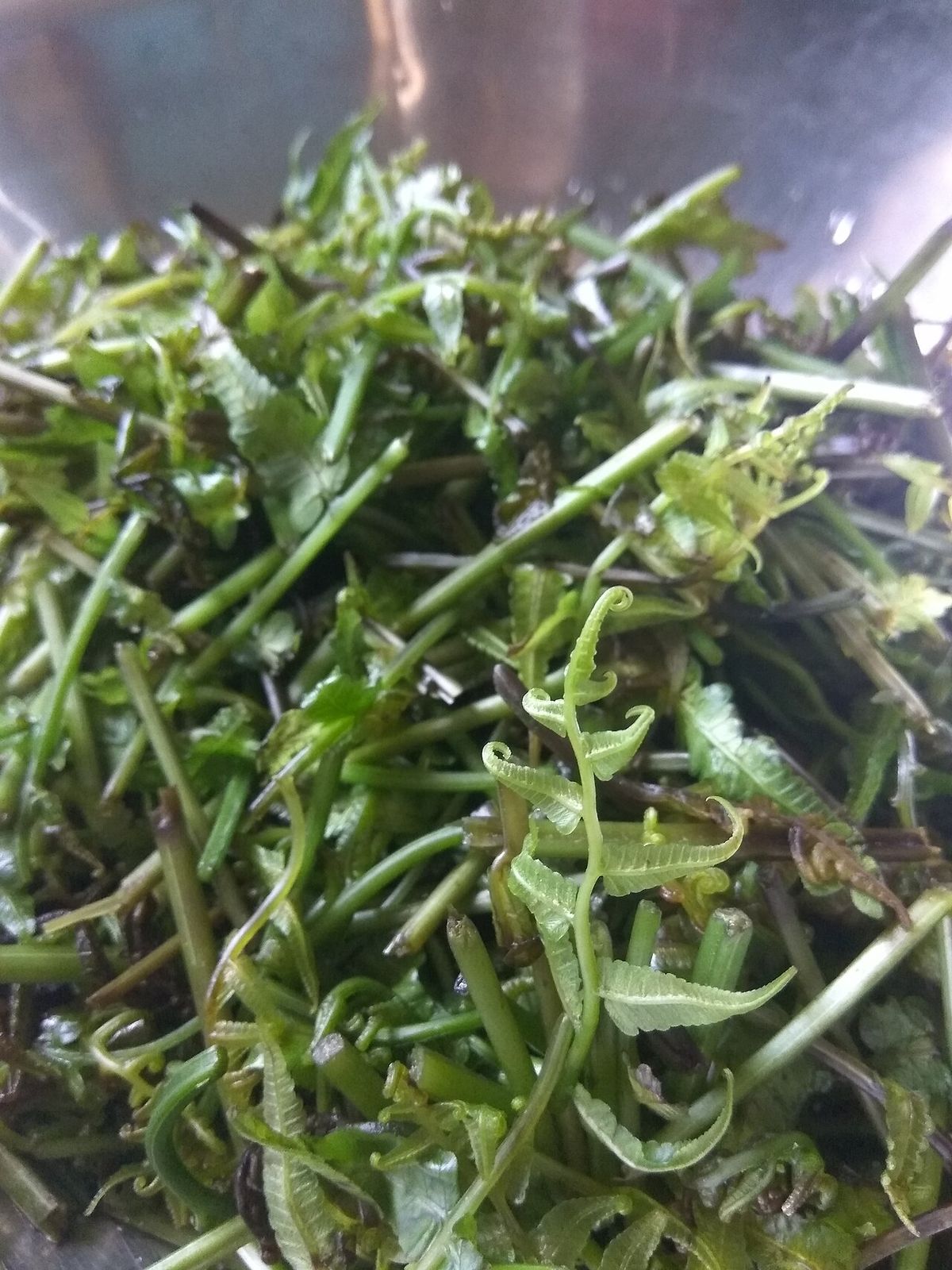
Preparing fiddleheads for cooking involves several key steps to ensure cleanliness and safety. First, the brown, papery husk must be rubbed off each coil. The ends should be trimmed, and the fiddleheads should be washed thoroughly in several changes of cold water to remove any dirt or grit trapped in the tight spirals. After cleaning, they must be cooked using a method that involves significant heat, most reliably by boiling or steaming as per health guidelines. Once pre-cooked, fiddleheads can be finished in a variety of ways, with their flavour pairing exceptionally well with garlic, lemon, butter, shallots, and salty cheeses like feta or Parmesan.
Classic Canadian preparations often keep things simple to highlight the vegetable's unique taste. A favourite method is to sauté pre-boiled fiddleheads in browned butter with garlic or wild leeks (ramps) for three to four minutes. They are commonly served as a side dish alongside spring meats like salmon or chicken. Beyond simple sautés, creative recipes incorporate fiddleheads into a wide range of dishes, transforming them from a side into a feature. Popular recipes that celebrate the short season include creamy fiddlehead soup, a spring quiche or tart with Gruyère cheese, risotto, pasta dishes with ricotta, and salads with a lemony vinaigrette. For those wishing to preserve the harvest, pickling fiddleheads with spices like peppercorns, fennel, and garlic is a popular method.
- Sautéed with Garlic Lemon Butter: Pre-boiled fiddleheads sautéed in butter with garlic and fresh lemon juice.
- Cheesy Fiddlehead Soup: A creamy soup made with chicken stock, Greek yogurt, and cheese.
- Spring Fiddlehead Tart: A savoury tart with a buttery crust, filled with fiddleheads, shallots, and Gruyère.
- Fiddlehead Risotto: Arborio rice cooked with white wine, stock, spring onions, and fiddleheads.
- Pickled Fiddleheads: Fiddleheads preserved in a vinegar brine with pickling spices.
- Fiddlehead Salad: Blanched fiddleheads served chilled with a sesame or blackberry vinaigrette.
- Stir-Fried Fiddleheads: Often combined with pork, chicken, or other proteins in an Asian-inspired stir-fry.
- Fiddlehead Pasta: Tossed with long pasta, garlic, olive oil, and ricotta cheese.
Global Fiddlehead Cuisine
While the ostrich fern is central to North American fiddlehead cuisine, many other fern species are prepared around the world, each with distinct culinary traditions. In East Asia, bracken fern fiddleheads are widely consumed. In Japan, they are called kogomi and are often roasted or blanched, while zenmai (from the flowering fern) is also prized. In Korea, gosari (bracken fiddleheads) are a fundamental ingredient, sold dried and rehydrated to make the ubiquitous side dish gosari-namul, which is also essential in bibimbap and soups like yukgaejang. In China and Taiwan, bracken fiddleheads are known as juécài.
In Southeast Asia, the vegetable fern (Diplazium esculentum) is commonly used. In Indonesia, its young fronds are cooked in a rich, spicy coconut sauce called gulai pakis. In the Philippines, the same fern, known as pakô, is often served as a fresh salad with tomato and salted egg. Across the Himalayan regions and the Indian subcontinent, numerous local fern varieties are integral to spring diets. In Assam, dhekia xak is a popular stir-fried side dish. In Uttarakhand, it is known as linguda and cooked as a vegetable, while in Jammu, kasrod is famously pickled. In Nepal, the seasonal niyuro is cooked in ghee or pickled. These diverse preparations highlight the fiddlehead's universal appeal as a foraged spring green.
Purchasing and Storage Guidelines
When purchasing fresh fiddleheads, look for firm, bright green coils that are tightly wound. Avoid any that are brown, mushy, or have begun to unfurl, as these are past their prime. Fresh fiddleheads are highly perishable and should be stored unwashed in a perforated plastic bag in the refrigerator, where they will keep for a few days. It is best to clean and cook them soon after purchase. For longer-term storage, freezing is the most effective method. As outlined in preservation guides, fiddleheads must be blanched for two minutes, shocked in ice water, dried, and then frozen in airtight bags. Crucially, these frozen fiddleheads must be boiled for at least ten minutes before being used in any recipe to ensure they are safe to eat. For those not near harvesting regions, frozen or pickled fiddleheads can often be found in specialty grocery stores or ordered online year-round.
When using preserved fiddleheads, it is important to follow specific cooking instructions. For frozen fiddleheads, a final boiling step is especially critical to mitigate risks. Health Canada recommends boiling fiddleheads for 15 minutes or steaming them for 10 to 12 minutes because raw or undercooked fiddleheads may cause illness. This careful process from market to table helps ensure this seasonal treasure can be enjoyed safely. Fiddlehead season is very short, usually from late April to early June. Cooks can thus enjoy the distinctive flavour and texture of fiddleheads at the peak of spring or months later from preserved stocks.
Questions about Fiddlehead
What do fiddleheads taste like?
Fiddleheads have a delicate flavour often described as similar to asparagus. Their flavour is sometimes said to be like fresh asparagus, but better. They are one of the first signs of spring in North America. Their unique taste and short seasonal availability make them a prized ingredient.
Are fiddleheads safe to eat raw?
No, fiddleheads should never be eaten raw. Consumption of raw or undercooked fiddlehead ferns may cause acute gastrointestinal symptoms including nausea, vomiting, diarrhea, and abdominal cramps. Health Canada recommends boiling fiddleheads for 15 minutes or steaming them for 10 to 12 minutes to destroy potential toxins. They must be cooked thoroughly before eating.
Where can I buy fiddleheads in Canada?
Fresh fiddleheads are available for only a few weeks in springtime. They can be foraged or found commercially in spring in regions like New Brunswick, Quebec, and Maine. In North America, they are commonly found in forested areas in Eastern Canada. They are also sold at farmers' markets or grocery stores during their short season. Pickled and frozen fiddleheads can be found in some shops year-round.
How do you clean and prepare fiddleheads?
To prepare fiddleheads, first rub off the brown, papery husk from each coil. Trim the dry ends of the stems, then wash the fiddleheads thoroughly in several changes of cold water, swishing them to dislodge any dirt trapped in the spirals. After cleaning, they must be cooked. The essential safety step is to boil them in water for 15 minutes or steam them for 10 to 12 minutes. They can then be drained and used in recipes like sautés, soups, or tarts.
Can I forage for my own fiddleheads?
Yes, foraging for wild fiddleheads is a popular spring activity in many parts of Canada, but it requires knowledge and caution. It is vital to correctly identify the ostrich fern, as other fern species may be toxic. Forage only in clean, unpolluted areas and harvest sustainably by taking no more than one third of the tops from any single plant cluster to allow the ferns to regenerate. Always remember that foraged fiddleheads must be cleaned meticulously and cooked thoroughly before eating.
What is the best way to preserve fiddleheads?
The two primary methods for preserving fiddleheads are freezing and pickling. To freeze, clean the fiddleheads, blanch them in boiling water for two minutes, plunge them into ice water to stop the cooking, pat them dry, and then pack them into airtight freezer bags. Frozen fiddleheads must be boiled for at least 10 minutes before use. For pickling, cleaned and pre-boiled fiddleheads are packed into jars with a hot vinegar brine and spices, then processed in a water bath or stored in the refrigerator for shorter-term preservation.
Sources and further reading
- Fiddlehead (Wikipedia)
- 15 Best Fiddlehead Recipes & Fiddlehead Fern Dishes (foodmeanderings.com)
- 9 Fern-tastic Ways to Eat Fiddleheads (skagitfoodcoop.com)
- How to Cook Fiddleheads | Easy Spring Recipe (newengland.com)
- Fiddlehead Farming & Spring Flavours (farmboy.ca)
Checked by the Novello Desserts desk. Last updated 2026-10-28.