London fog
A London fog is a popular hot tea latte invented in Canada, consisting of Earl Grey tea, steamed milk, and a sweetener, typically vanilla syrup. Despite its British-sounding name, the drink originated in Vancouver in the 1990s and has become a staple in Canadian cafés, particularly on the West Coast. It is cherished for its aromatic blend of citrusy bergamot from the tea, creamy texture, and gentle sweetness, offering a comforting alternative to coffee. The drink's popularity has grown significantly, making it a common menu item in specialty coffee shops across Canada and a favourite homemade beverage for many.
Origin and History
The London fog was invented in Vancouver, Canada, in the 1990s by Mary Loria, a ceramicist and instructor at the University of Victoria who was based in Victoria, British Columbia. Loria, who was pregnant at the time, frequented Vancouver's Buckwheat Cafe and created the drink for herself. After her initial creation, she began ordering the beverage at other cafes and recommending it to friends, which helped the trend spread throughout the local coffee shop scene. The name 'London fog' is attributed to the drink's appearance, with 'fog' referring to the layer of steamed milk atop the tea, though Loria herself does not know who coined the term. From its humble West Coast beginnings, the drink has evolved from a personal preference into a widely recognized menu item across Canada and internationally.
Core Ingredients and Preparation
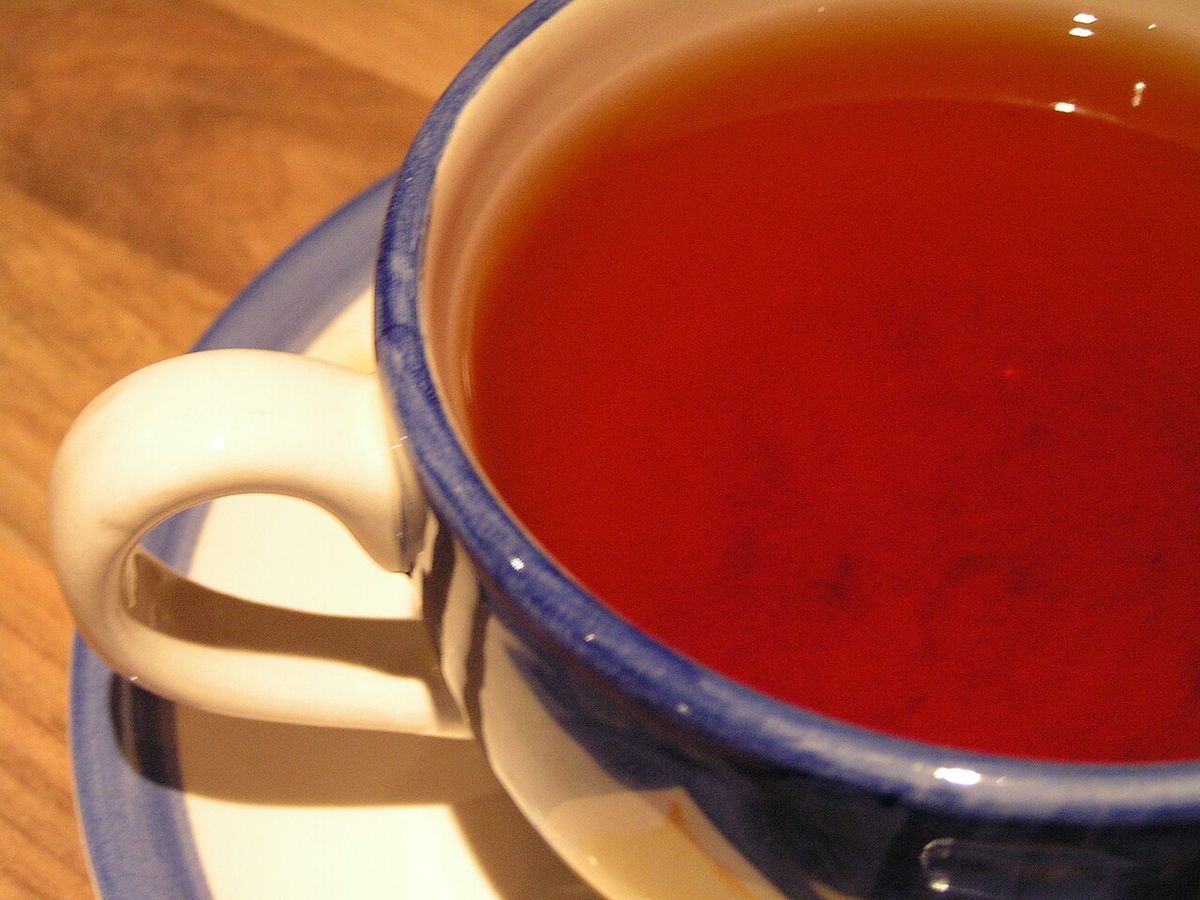
The classic London fog is built upon three essential components: Earl Grey tea, steamed milk, and a sweetener. Earl Grey tea, a black tea flavoured with bergamot oil, provides the drink's distinctive citrusy and floral aroma. The tea is typically steeped in hot water, sometimes using a concentrated brew, for three to five minutes. Steamed milk, which can be dairy or a plant-based alternative like almond, oat, or soy milk, is added to create a creamy, velvety texture. The sweetener is most commonly vanilla syrup or a splash of vanilla extract, often complemented by a teaspoon of raw honey or maple syrup. The final assembly involves pouring the steeped tea into a mug, stirring in the vanilla sweetener, and topping it with the steamed, frothed milk. A small amount of cream, a sprinkle of cinnamon, nutmeg, or dried lavender is sometimes added as a garnish for extra flavour and visual appeal.
Preparation methods can vary based on available equipment. The ideal method uses an electric milk frother or the steaming wand of an espresso machine to heat and aerate the milk. For home preparation without specialized tools, milk can be heated on a stovetop or in a microwave and then frothed vigorously with a whisk, shaken in a sealed jar, or blended with an immersion blender. The key is to achieve a warm, slightly foamy texture that blends smoothly with the strong, aromatic tea. The drink is designed to be both simple to make and highly customizable, allowing individuals to adjust the sweetness, milk type, and strength of tea to their personal taste.
Popular Variations and Adaptations
The basic London fog recipe has inspired numerous variations that substitute core ingredients or add new flavour dimensions. These adaptations often reflect regional tastes or dietary preferences, expanding the drink's appeal. Common variations include the addition of a dash of lavender syrup or dried lavender buds during the steeping process for an extra floral note. Another popular Canadian variation incorporates a twist of orange zest, as promoted by the Dairy Farmers of Canada, which complements the citrus notes of the bergamot. For those seeking different tea bases, the Earl Grey can be replaced, creating entirely new drinks such as the Dublin Fog made with Irish Breakfast tea or the Tokyo Fog made with matcha green tea. The Bangalore Fog substitutes chai tea for a spiced profile. The drink also adapts well to different dietary needs and formats, including iced versions and vegan preparations using plant-based milks.
- Manchester Fog: Made with soy milk and sugar-free vanilla syrup.
- Iced London Fog: Prepared by steeping tea and allowing it to cool, then combining it with cold milk, sweetener, and ice.
- Dairy-Free/Vegan: Uses plant-based milks like almond, oat, or coconut milk and vegan-friendly syrups.
- Decaffeinated Version: Made with decaffeinated Earl Grey tea for an evening-friendly drink.
- Reduced-Sugar: Relies on natural sweeteners like honey or maple syrup, or sugar-free vanilla syrup, to control sweetness levels.
Variations of the London fog involve substituting the tea leaves and using different types of milk. It is a popular drink in the Pacific Northwest and on Canada's West Coast. Some recipes add a dash of lavender or a sprinkle of cinnamon, nutmeg, or lavender on top. Other versions use a twist of orange zest or alternative sweeteners like maple syrup. These changes show how the drink can adapt while staying a comforting tea latte.
Cultural Significance in Canada
The London fog holds a notable place in contemporary Canadian food culture, particularly in urban centres and on the West Coast where it originated. It emerged during the 1990s café culture boom, offering a sophisticated, non-coffee alternative that appealed to a wide audience, including younger patrons. The drink is frequently cited as a nostalgic favourite for many Canadians, reminiscent of high school or university days spent in coffee shops. Its presence on the menu of major chains like Starbucks has cemented its status as a mainstream beverage choice, while independent cafés often feature their own artisanal takes. The London fog represents a blend of comfort and customization, aligning with Canadian trends towards artisanal foods and personalised dietary choices. Its story of local invention and subsequent widespread adoption is a point of quiet national pride, exemplifying how a simple idea can become a cultural staple.
Nutritional Information and Caffeine Content
A standard London fog's nutritional profile is primarily influenced by the type of milk and sweetener used. The drink provides a source of calcium and protein from the milk, though these values decrease if plant-based alternatives are used. The caffeine content is derived solely from the black tea base. An 8-ounce serving contains roughly 40 to 70 milligrams of caffeine, which is significantly less than a comparable cup of coffee. This moderate caffeine level makes it a popular afternoon pick-me-up for those sensitive to the stronger effects of coffee. For those monitoring sugar intake, recipes often suggest controlling sweetness by using pure vanilla extract with a touch of honey or opting for sugar-free syrup, which can reduce the sugar content to under 10 grams per serving.
Comparison to Similar Beverages
It is useful to distinguish the London fog from other popular café lattes to understand its unique position. The most direct comparison is to a standard Earl Grey tea latte, which typically consists of steeped Earl Grey tea and steamed milk, often without the added vanilla sweetener that defines a London fog. A chai latte, another tea-based favourite, is made with a spiced black tea blend containing ingredients like cinnamon, cardamom, ginger, and cloves, resulting in a warmer, more pungent spice profile compared to the London fog's citrus and vanilla notes. Coffee-based lattes, made with espresso and steamed milk, offer a different flavour and a higher caffeine content. The London fog's specific combination of floral bergamot, creamy milk, and sweet vanilla creates a distinct sensory experience that is milder and more aromatic than its counterparts. Its popularity stems from this unique balance, offering the ritual and comfort of a latte without the intensity of coffee or heavy spices.
Questions about London fog
Who invented the London fog drink?
The London fog was invented in Vancouver, Canada, in the 1990s by Mary Loria, a ceramicist and University of Victoria instructor. She created the drink for herself while pregnant and frequenting the Buckwheat Cafe in Vancouver. Loria helped popularize it by ordering it at other cafes and recommending it to others. The name 'London fog' emerged later, though Loria does not know who specifically coined it.
Does a London fog have caffeine?
Yes, a London fog has caffeine because it is made with Earl Grey tea, which is a black tea. Black tea contains caffeine. The caffeine level is less than that found in a coffee or espresso. You can use decaffeinated Earl Grey tea to make a version without caffeine.
What is the difference between a London fog and an Earl Grey tea latte?
The primary difference is the addition of vanilla. An Earl Grey tea latte is simply steeped Earl Grey tea combined with steamed milk, with optional plain sweetener. A London fog specifically includes vanilla, in the form of syrup or extract, as a defining sweetener. Therefore, all London fogs are a type of Earl Grey latte, but not all Earl Grey lattes are London fogs.
Can I make a London fog without a milk frother?
Absolutely. While a frother creates the ideal steamed and foamy texture, you can heat milk on a stovetop or in a microwave until steaming. To create foam, you can vigorously whisk the hot milk, shake it in a lidded jar, or use the whisk attachment of an immersion blender. The result will be warm, creamy milk that blends well with the tea, even if it lacks professional-level foam.
How do you make an iced London fog?
To make an iced London fog, first steep the Earl Grey tea as usual, then allow it to cool to room temperature or chill it in the refrigerator. Fill a glass with ice, pour in the cooled tea, and add cold milk of your choice. Stir in vanilla syrup or extract to taste. Unlike the hot version, the milk is not steamed or frothed for the iced preparation.
What are common dairy-free alternatives for a London fog?
London fogs are highly adaptable to dairy-free diets. Popular plant-based milk alternatives include unsweetened vanilla almond milk, oat milk, soy milk, and coconut milk. These milks can be steamed and frothed, though some may produce less foam than dairy milk. Ensure any vanilla syrup used is also vegan-friendly to make the drink completely plant-based.
Sources and further reading
- London fog (Wikipedia)
- How To Make a London Fog Drink (thehealthymaven.com)
- London Fog Tea Latte: What Is It and How to Make It? (grosche.ca)
- Orange-Scented London Fog | Canadian Goodness (dairyfarmersofcanada.ca)
Checked by the Novello Desserts desk. Last updated 2026-10-25.