Montreal-style smoked meat
Montreal-style smoked meat is a celebrated Canadian delicatessen food, a type of cured and smoked beef brisket that holds an important place in the food identity of Montreal and the nation. This kosher-style product is made by salting and curing beef brisket with spices, allowing it to absorb flavours over a week before being hot smoked and finally steamed to completion. Often described as a peppery, garlicky cousin of pastrami, it is distinguished by its specific preparation method, which includes dry-curing directly with salt and spices at many establishments. The dish is most famously served as a sandwich on light rye bread with yellow mustard, a combination that has become a cultural touchstone since the 19th century.
Preparation and Distinctive Characteristics
The creation of Montreal-style smoked meat is a multi-stage process that typically spans over a week, beginning with the curing of a whole, untrimmed beef brisket. Unlike its American cousin pastrami, which is often brine-cured, Montreal smoked meat traditionally employs a dry cure, where a mixture of salt, spices, and a small amount of Prague Powder #1 (a pink curing salt containing sodium nitrite) is rubbed directly onto the meat. This cure, which includes a signature blend of cracked black peppercorns, coriander, garlic, and mustard seed, is allowed to penetrate the brisket over approximately eight days, with the meat being turned regularly in the refrigerator. After curing, the brisket is soaked in cold water to remove excess salt, then coated with a final spice rub before being hot smoked at a low temperature, usually around 250°F (120°C), for four to six hours. The final and crucial step is steaming the smoked brisket for two to three hours until it reaches an internal temperature of about 195°F (90°C), a process that renders the meat exceptionally tender and juicy. The use of brisket, as opposed to the navel or plate cut used for pastrami, results in a meat that is less marbled with fat internally but features a distinct cap of fat, contributing to its flavour and moisture.
The specific spice profile is so central to the dish that it inspired the commercial product known as Montreal steak seasoning, which is essentially the dry rub used for smoked meat but with added salt. Recommendations for home smoking often suggest using lighter woods like apple or maple to complement rather than overpower the meat's spices. The entire endeavour, from sourcing a high quality, well marbled brisket to the lengthy curing and cooking, is considered a labour of love, but one that is reliably successful due to the forgiving nature of the finishing steam. This methodical approach ensures a consistent product that is both flavourful and has the proper texture for slicing and serving, making it a favourite for both professional delis and ambitious home cooks.
Historical Origins and Claims
One account credits Benjamin Kravitz, who founded Bens De Luxe Delicatessen & Restaurant in 1910, with using a brisket curing method he remembered from Lithuanian farmers, initially selling sandwiches from his wife's store. Historian Eiran Harris has suggested that Herman Rees Roth may have created the first smoked meat sandwich in Montreal as early as 1908 at his British American Delicatessen Store. Another narrative points to Itzak Rudman, an accomplished salami and smoked meat maker who arrived in 1902 and operated a shop on de Bullion Street. A further possibility is Aaron Sanft, a butcher from Iași, Romania, who arrived in 1884 and established Montreal's first kosher butcher shop, likely producing smoked meat in a style similar to Romanian pastrama. Regardless of the specific originator, the confluence of these stories highlights the dish's deep roots in Montreal's Jewish diaspora community, which adapted and refined Old World meat preservation techniques into a uniquely Montreal creation that has endured for over a century.
Serving Tradition and Variations
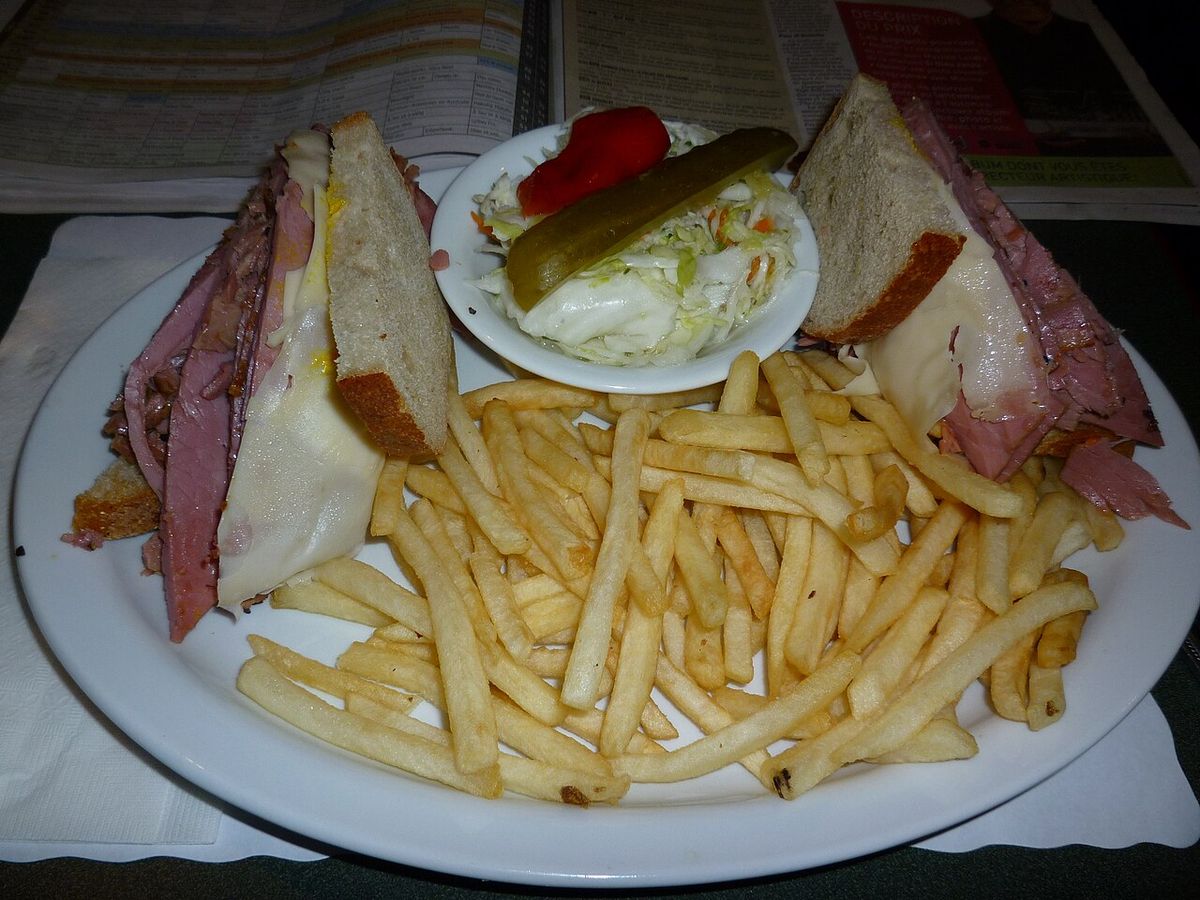
Montreal smoked meat is most famously served as a sandwich, a presentation that follows a specific and revered protocol. To preserve its tender texture, the warm brisket is always sliced by hand against the grain just before serving, rather than using a mechanical slicer. The sandwich is built upon seedless, light rye bread and piled with a generous stack of meat, often about 5 centimetres (2 inches) high, and dressed simply with classic yellow mustard. A key part of the ordering ritual is specifying the desired fat content, allowing customers to choose their preferred balance of flavour and richness. The standard cuts offered by delicatessens include lean, medium, medium fat, old fashioned (a thicker cut between medium and fatty), and fat. A unique offering called 'speck' consists solely of the spiced subcutaneous fat cap from the brisket, served without the meat.
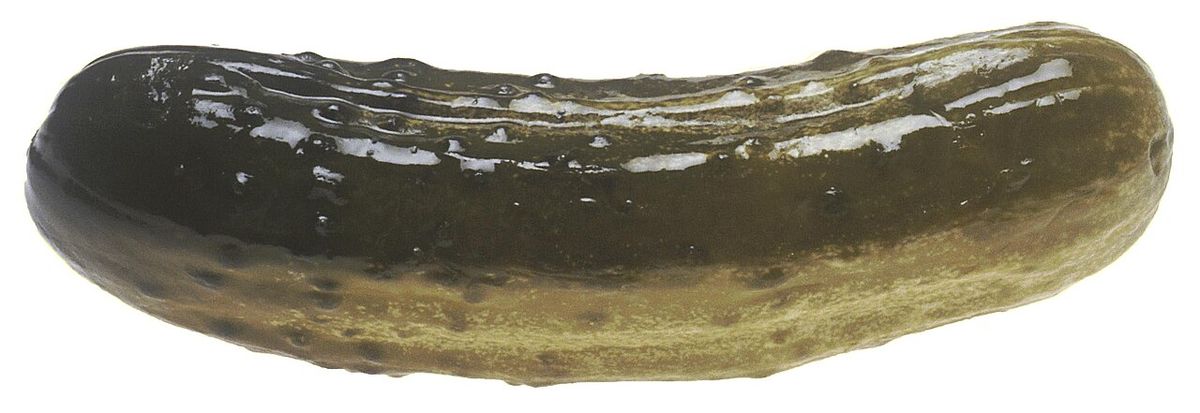
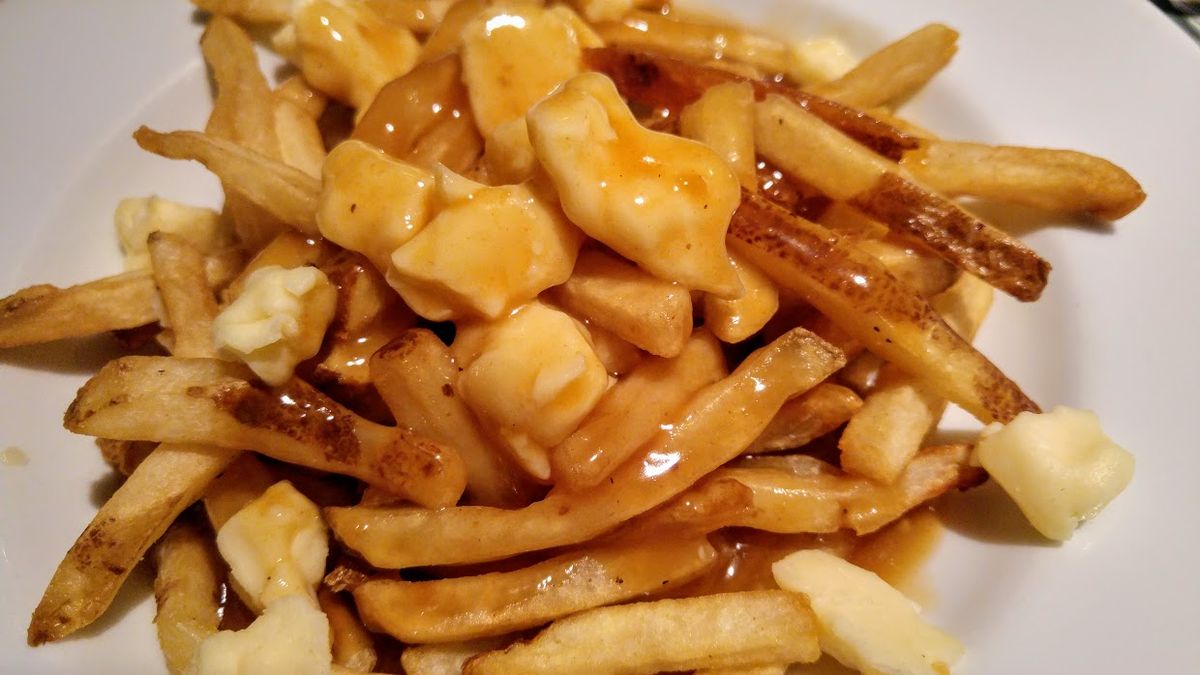
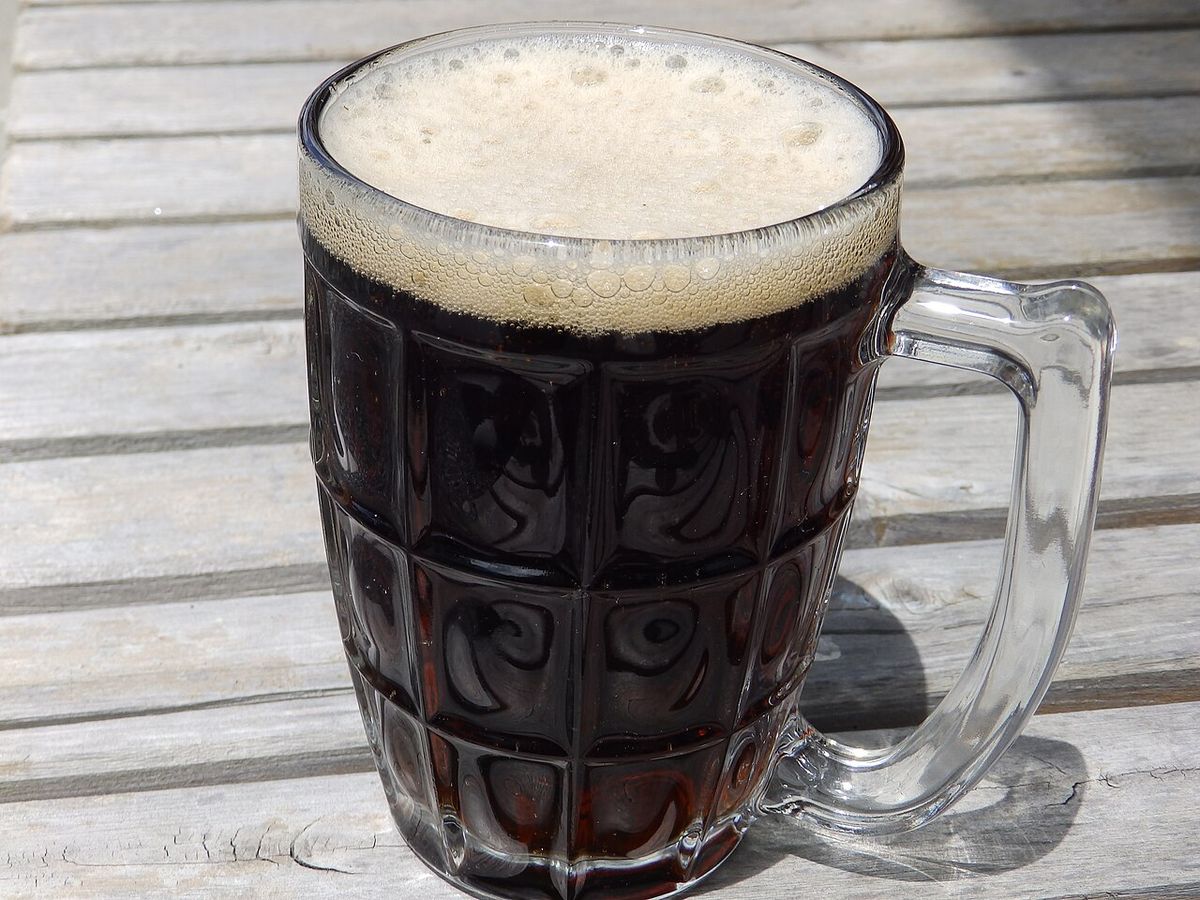
Beyond the classic sandwich, the broken bits and pieces produced during hand slicing are commonly repurposed in other dishes, demonstrating the meat's versatility in Quebec cuisine. These scraps are famously used as a topping for poutine, combined with French fries, cheese curds, and gravy to create smoked meat poutine. They are also served over spaghetti with Bolognese sauce or even as a pizza topping. The sandwich is traditionally accompanied by a kosher dill pickle, and many aficionados recommend a cold cherry soda, such as Cott's, to cut through the richness of the meat. This pairing of sweet fizz with savoury, fatty meat is considered part of the complete experience, and it is a tradition that has been maintained in delis across the city for decades.
Cultural Significance and Identity
It transcends its origins to be offered in diners and fast food chains across Canada, and its incorporation into dishes like poutine demonstrates its integration into broader Quebec food culture. Author Mordecai Richler famously referenced the spices used at Schwartz's deli in his novel Barney's Version, humorously describing them as a 'maddening aphrodisiac'. Despite its strong association with Montreal's Jewish community, most delicatessens selling smoked meat are not certified kosher, a point often clarified to counter common assumptions. The dish also became entangled in Quebec's language politics following the passage of the Charter of the French Language (Bill 101) in 1977.
The Office québécois de la langue française (OQLF) challenged establishments like Dunn's for using the English term 'Smoked Meat' on signage. The delis successfully appealed, arguing that changing the name would confuse customers, citing even Parti Québécois MNA Gérald Godin as someone who ordered the sandwich by its English name. This legal effort, led by Myer Dunn, resulted in the French term 'smoked meat' gaining formal legal recognition in Quebec in 1987, a unique linguistic accommodation for a beloved food item. This episode illustrates how the dish is woven into the social and political fabric of the province, reflecting the complex relationship between language, commerce, and cultural identity in Quebec.
Notable Delicatessens and Popularity
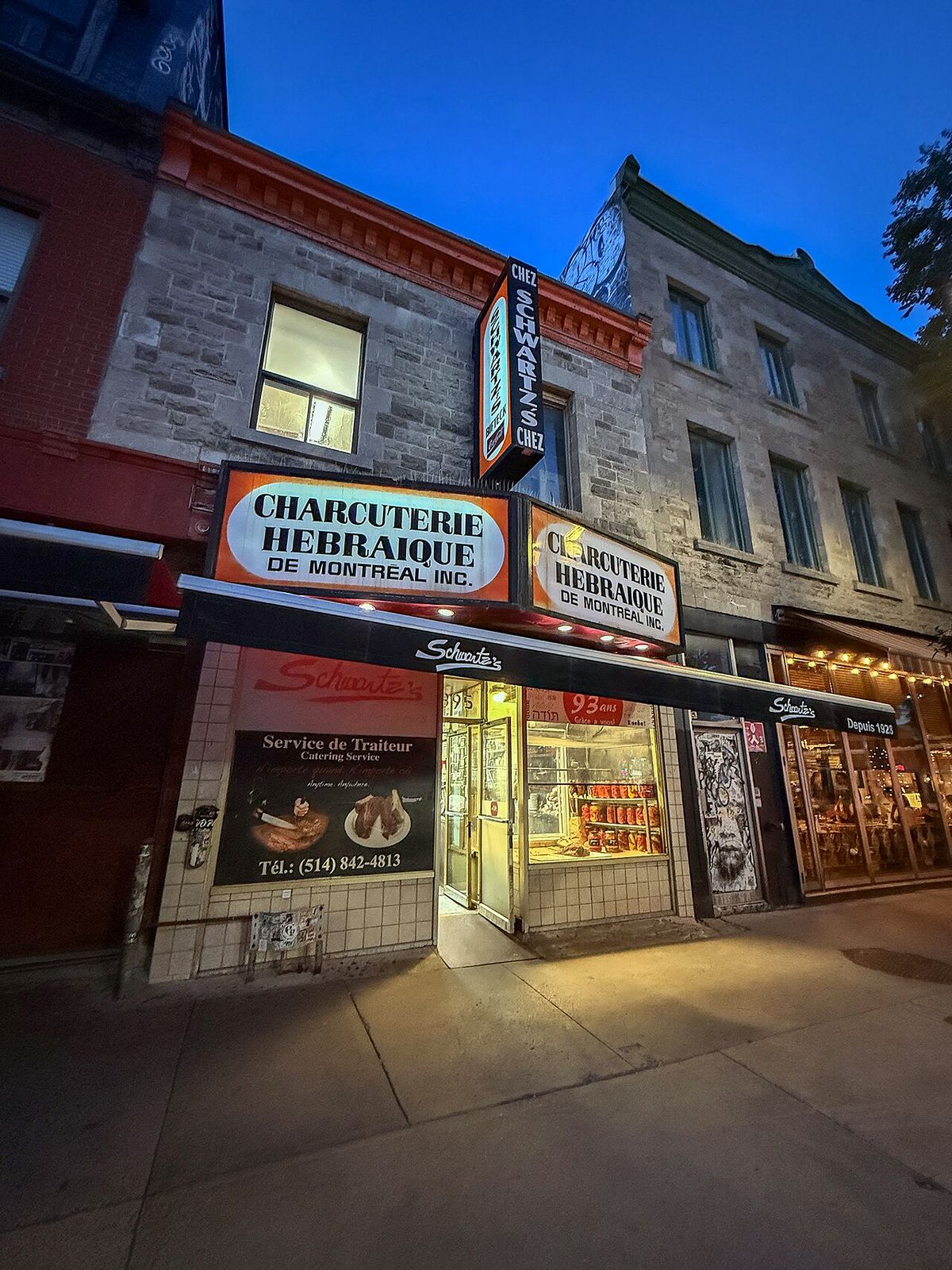
Several delicatessens in Montreal have achieved great fame for their smoked meat, drawing locals and tourists alike. In a notable piece of celebrity ownership, singer Celine Dion has been a part owner of Schwartz's for over a decade. Other highly regarded destinations include Lester's Deli and Main Deli, both known for their juicy, hand sliced sandwiches. While these institutions are popular destinations, the dish's popularity ensures that thinly sliced Montreal style smoked meat is also widely available as prepackaged deli meat or freshly sliced at grocery store counters across Canada. Its availability in the United States, however, is far more limited, prompting many expatriates and enthusiasts to attempt making it at home, following detailed recipes that replicate the lengthy curing and smoking process.
Comparison to Similar Dishes
Montreal smoked meat is a variation on corned beef and is similar to pastrami. The primary distinction is the cut of beef used, as it is made with variable-fat brisket, whereas pastrami is more commonly made with the fat-marbled navel or plate cut. The preparation method involves a different cure, with Montreal smoked meat often using a dry cure directly with salt and spices, while pastrami is generally brined. The spicing also differs, as Montreal smoked meat is cured in seasoning with more cracked peppercorns and savoury flavourings like coriander, garlic, and mustard seed.
| Aspect | Montreal Smoked Meat | New York Pastrami | Corned Beef |
|---|---|---|---|
| Primary Cut | Beef brisket | Beef navel or plate | Beef brisket |
| Curing Method | Typically dry cure | Typically brine (wet cure) | Brine (wet cure) |
| Spice Profile | Heavy on cracked black pepper, coriander, garlic, mustard seed. Less sugar | Similar spices but often includes more sugar and different proportions | Simpler spice blend (e.g., pickling spice) |
| Final Cooking | Hot smoked, then steamed | Hot smoked, then steamed (similar) | Boiled or simmered |
| Texture | Stringier, more fibrous due to brisket. Larger fat cap | Denser, more marbled with fat | Tender, less smoky flavour |
The use of brisket and a specific spice blend gives Montreal smoked meat a more peppery, savoury flavour and a stringier, more fibrous texture compared to the denser, more marbled texture of American-style pastrami. The preparation process is considered a bit more involved than that for pastrami. It requires salting and curing the beef brisket with spices over a week, allowing it to absorb the flavours. The process then involves hot smoking the meat to cook it through, followed by steaming it to completion. This unique preparation and flavour profile establish Montreal smoked meat as its own distinct delicatessen product.
Home Preparation and Recipe Essentials
For dedicated home cooks, preparing Montreal smoked meat is a rewarding project that requires patience and specific ingredients. The process is methodical and spans roughly ten days from start to finish. Success hinges on several key components and steps, beginning with sourcing the right cut of meat and the essential curing salt. The procedure involves coating the brisket in the dry cure and refrigerating it for about eight days, turning it twice daily. It is then soaked in multiple changes of cold water to desalinate, coated with the final spice rub, and hot smoked until it reaches an internal temperature of 160°F (70°C). The final steaming step, lasting two to three hours until the meat reaches 195°F (90°C), is crucial for achieving the signature tender, sliceable texture. Once rested, the meat is sliced thinly against the grain and served. While time intensive, the method is considered reliable, as the steaming phase helps ensure a moist and flavourful result even if the smoking phase is not perfect.
Essential ingredients for making Montreal smoked meat at home include a whole beef brisket and a specific blend of spices such as cracked black peppercorns, coriander, garlic, and mustard seed. The recipe requires Prague powder #1, which is a pink curing salt containing sodium nitrite, to cure the meat. The process requires a smoker to hot smoke the brisket and equipment for steaming it to completion. Home cooks must dedicate significant refrigerator space for over a week during the curing process.
- Cure: A dry cure mixture containing kosher salt, granulated sugar, Prague Powder #1 (pink curing salt #1), and spices like bay leaves and ground cloves.
- Spice Rub: A blend of cracked black peppercorns, coriander seeds, garlic, mustard seed, and other savoury spices.
- Smoker: Any smoker capable of maintaining a low temperature (around 250°F/120°C) for several hours.
- Wood: Light flavoured smoking woods such as apple or maple are recommended.
- Steaming Setup: A large roasting pan with a rack and tight fitting foil cover to steam the brisket in the oven.
Questions about Montreal-style smoked meat
What is the difference between Montreal smoked meat and pastrami?
The primary differences lie in the cut of beef, the curing method, and the spicing. Montreal smoked meat is made from beef brisket and is typically dry cured with a spice mix heavy on cracked black pepper, coriander, and garlic. Pastrami is usually made from the fattier beef navel or plate, is often brine cured, and contains a different balance of spices, often with more sugar. The texture of smoked meat is also stringier and less marbled than pastrami.
How do you order a Montreal smoked meat sandwich?
When ordering, you specify your preferred fat content. Common choices are lean, medium, medium fat, old fashioned (a thicker cut), and fat. The sandwich is traditionally built on light rye bread, piled high with hand sliced meat, and dressed with yellow mustard. It is typically served with a kosher dill pickle on the side.
Can you make Montreal smoked meat at home?
Yes, it is possible to make Montreal smoked meat at home, though it is a lengthy project requiring about ten days. The process involves dry curing a whole brisket with spices and pink curing salt for around eight days, followed by smoking and finally steaming. Essential equipment includes a smoker and a setup for steaming. Many detailed recipes are available for home cooks willing to undertake the process.
What is Montreal style smoked meat?
Montreal style smoked meat is a kosher style delicatessen meat product made by salting and curing beef brisket with spices. It is a variation on corned beef and is similar to pastrami, but is made specifically from beef brisket. The preparation involves dry curing the brisket with a spice blend that typically includes cracked peppercorns, coriander, garlic, and mustard seed, allowing it to absorb flavours over about a week, then hot smoking it, and finally steaming it to completion. It is most famously served as a sandwich on seedless light rye bread with yellow mustard, piled about 5 centimetres high. This dish is identified as emblematic of Montreal's cuisine and is a Canadian favourite.
Where did Montreal smoked meat originate?
All stories indicate the creators were of the Jewish Diaspora from Romania or Eastern Europe. Some point to Benjamin Kravitz, who founded Bens De Luxe Delicatessen & Restaurant in 1910, using a brisket curing method he recalled from Lithuania. Other claims involve Herman Rees Roth, who may have created the first sandwich in 1908, Itzak Rudman who brought the technique in 1902, and butcher Aaron Sanft who arrived from Romania in 1884. Regardless of the specific originator, it is firmly a product of Montreal's Jewish immigrant community.
Where can you get the best Montreal smoked meat?
The best Montreal smoked meat is famously found in Montreal's delicatessens, with Schwartz's Deli being a particularly popular spot that routinely sees long lines. Other popular destinations include Lester's Deli and Main Deli. Across Canada, Montreal smoked meat is offered in many diners and fast food restaurant chains. Consumers can also buy it prepackaged as deli meat or have it freshly sliced at most grocery store deli counters. It has also been incorporated into other Quebec dishes, such as poutine, and is available as an add on option at poutineries.
Sources and further reading
- Montreal-style smoked meat (Wikipedia)
- Authentic Montreal Smoked Meat Recipe (celebrationgeneration.com)
- Montreal-Style Smoked Meat Sandwiches (hexclad.ca)
- Montreal Smoked Meat Sandwich with Brisket Herbed ... (t8nmagazine.com)
- montreal smoked meat (glebekitchen.com)
Checked by the Novello Desserts desk. Last updated 2026-10-28.