Muktuk
Muktuk is a traditional food of Inuit and other circumpolar peoples, consisting of whale skin and blubber. A key component of Inuit cuisine, it is most often prepared from bowhead, beluga, or narwhal whales. The dish is consumed raw, frozen, cooked, or pickled, and serves as a vital source of nutrients in the Arctic environment. For Canadians, muktuk represents an important element of Indigenous food sovereignty and culinary heritage in the North, though its consumption is governed by strict regulations and health considerations related to environmental contaminants.
Etymology and Cultural Significance
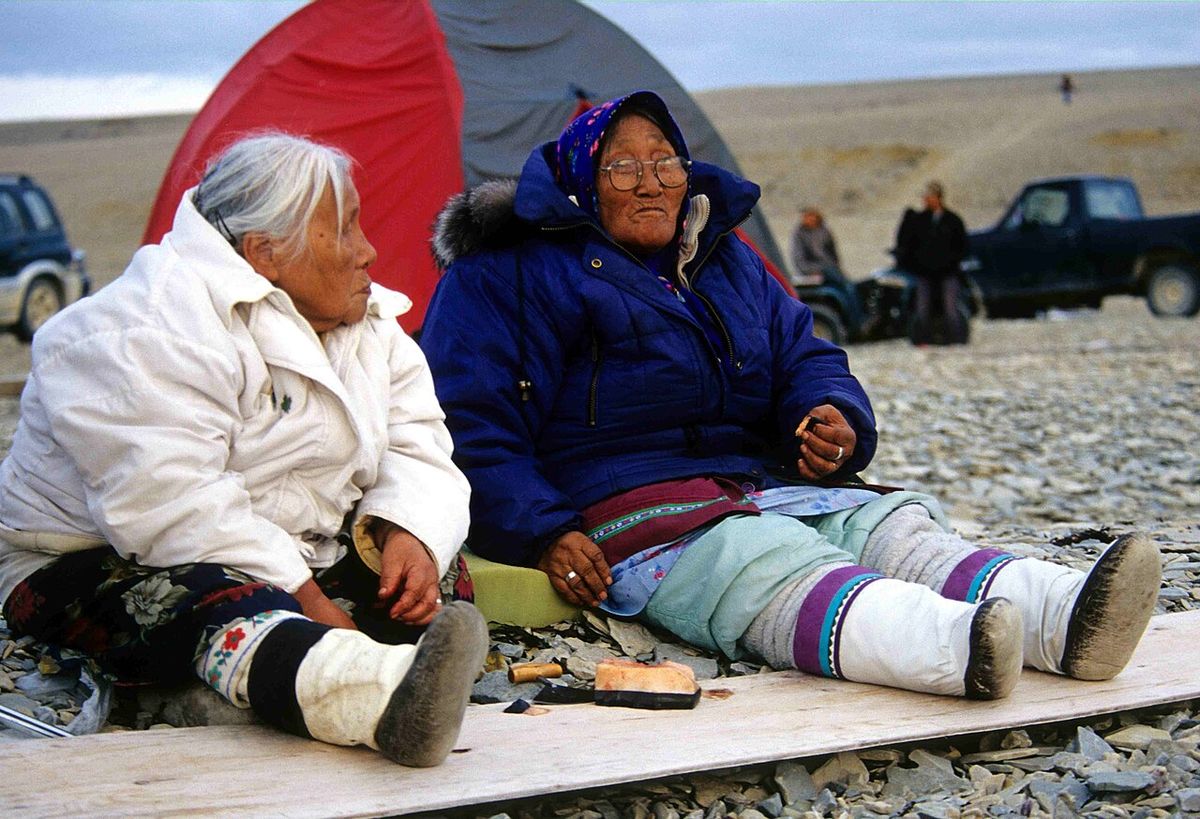
The term 'muktuk' is an English transliteration of several Inuit language terms for the edible skin and blubber of a whale. In some dialects, such as Inuinnaqtun, the word refers specifically to the skin and not the underlying fat, while in Chukchi it is known as икииԓгин (ikiilgin). For the Inuit, whose territory spans Alaska, Canada, Greenland, and Siberia, whale meat and muktuk have been dietary staples for over a millennium. The consumption of muktuk is intertwined with a philosophy of respect for the animal, ensuring that every part of the whale is used from nose to tail. This practice is celebrated during cultural events like the Nalukataq, the spring whaling festival. The dish is more than sustenance. It is a tangible connection to tradition, environment, and community identity in the Arctic, often shared during special occasions and community feasts.
Preparation and Consumption Methods
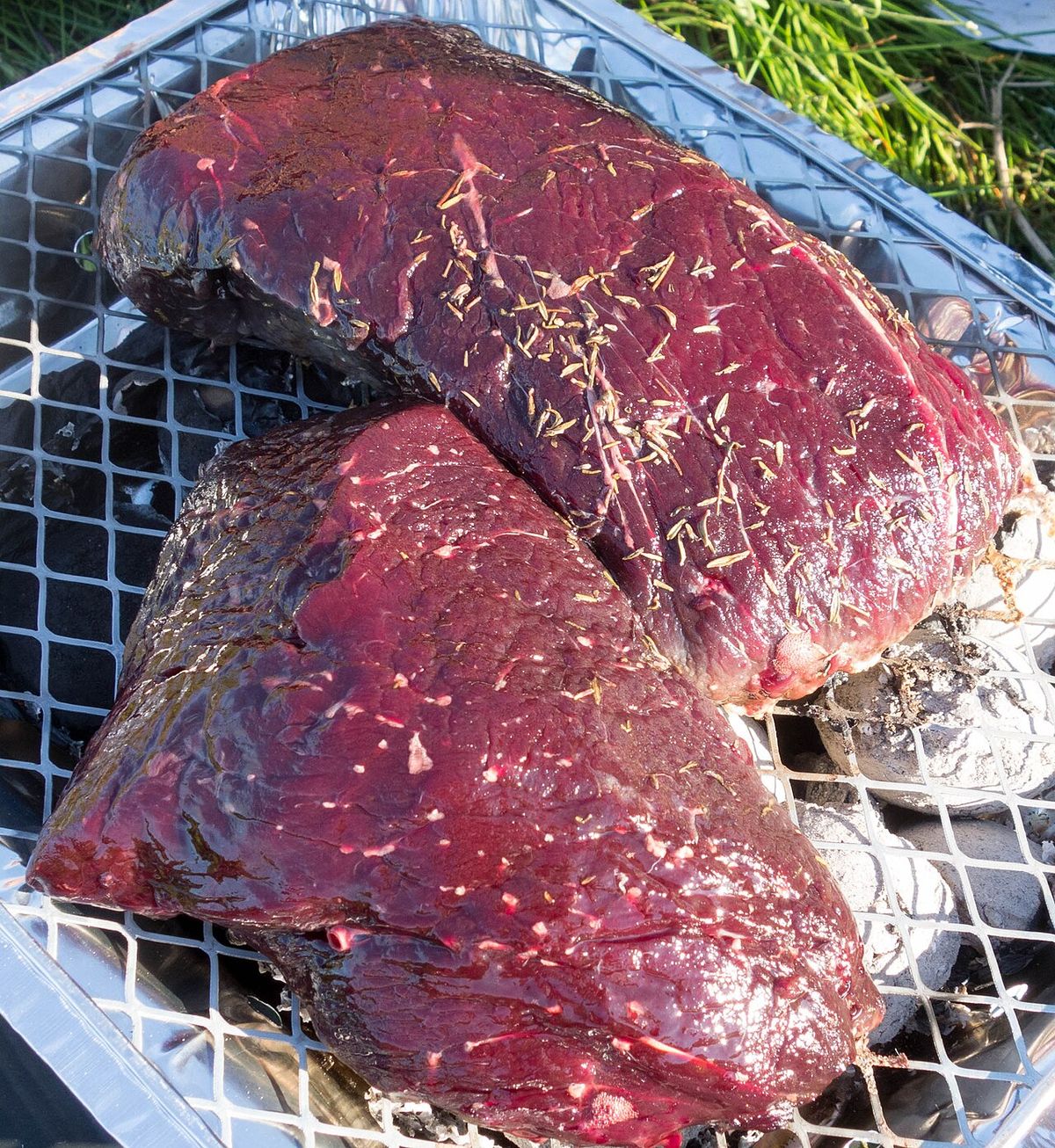
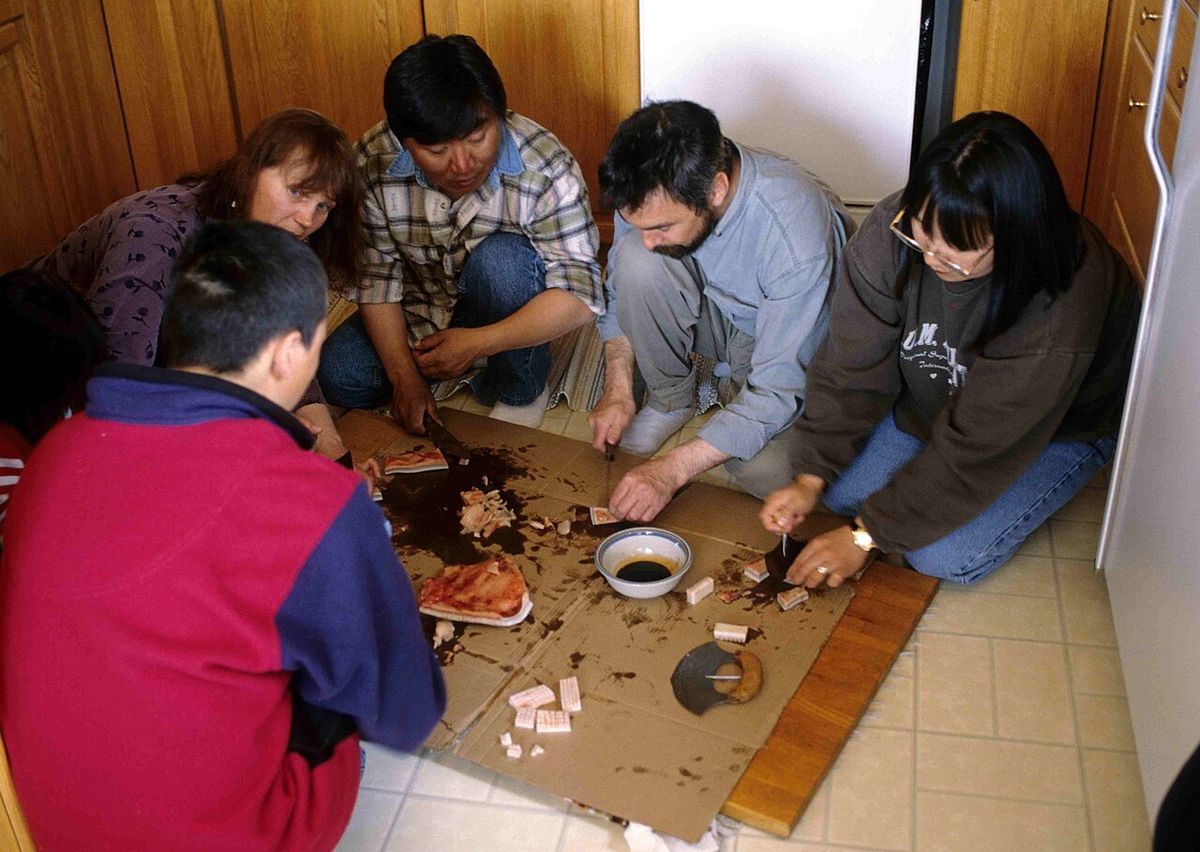
Muktuk is typically prepared during the flensing, or butchering, of a harvested whale. The skin and blubber are often eaten as a fresh snack at this time, a practice described in 21st-century accounts of indigenous whale hunts. The material is chopped into bite-sized cubes or strips, sometimes with the skin scored to make it easier to chew due to its tough, cartilaginous texture. While commonly eaten raw or frozen, it can also be prepared in several other ways. When boiled, the snack is known as unaaliq. Other preparation methods include deep-frying, pickling, or incorporating the blubber and meat into stews. In contemporary settings, muktuk is sometimes served with introduced condiments like soy sauce or HP Sauce, which locals have acquired a taste for. A detailed guide on fermenting muktuk was published in October 2026, indicating the ongoing evolution of traditional preparation techniques.
The texture and taste of muktuk are often described as challenging for those unaccustomed to it. Accounts compare its flavour to hazelnuts, fresh coconut, fried eggs, beef jerky, or sardines. One description from the Western Arctic notes its rich, spongy texture and a taste reminiscent of 'a cow fed a strict diet of sardines'. Traditional advice, such as that given by Inuvialuit elder Gerry Kisoun, often suggests swallowing small pieces with minimal chewing to manage the cartilaginous texture. It is frequently served alongside other country foods at communal gatherings. These accompanying dishes often include:
- Dried whale meat, resembling jerky with a fishy-meaty taste.
- Dried beaver meat, with a flavour akin to a large aquatic rodent.
- Dried reindeer meat, which is lean and gamey like venison.
- Boiled tundra swan, described as deliciously ducky.
- Dried strips of white fish, often eaten with butter.
- Dried seal meat, which is fatty and pungently fishy.
- Frozen raw Arctic char, melting in the mouth like ice-cold sashimi.
Nutritional Value and Historical Importance
Historically, muktuk served as a crucial source of essential vitamins in an environment with limited access to fruits and vegetables for much of the year. The whale's epidermis, or skin, is a particularly good source of vitamin C (ascorbic acid), containing up to 38 milligrams per 100 grams. This nutritional fact helped protect Inuit populations and British Arctic explorers from scurvy. The blubber layer provides a significant source of vitamin D, which is vital in regions with long periods of limited sunlight. The Proceedings of the Nutrition Society noted in the 1950s that narwhal skin (mattak) contains considerable amounts of glycogen and ascorbic acid and was considered the most important food item for Polar Eskimos. This combination of nutrients made muktuk a dietary essential for circumpolar peoples, supporting health through harsh winters when other sources of these vitamins were unavailable.
Health and Environmental Concerns
Modern consumption of muktuk carries significant health considerations due to widespread environmental contamination. Industrial pollutants have entered the Arctic marine food web over decades, leading to the bioaccumulation of toxins in whale fat and tissue. As whales grow and age, they accumulate these contaminants in their bodies, a process that makes whale meat and blubber a potential health risk. The primary contaminants of concern found in muktuk include:
- Mercury, which accumulates in the liver, kidney, muscle, and blubber.
- Cadmium, which settles primarily in the blubber.
- Polychlorinated biphenyls (PCBs), carcinogenic compounds that damage the human nervous, immune, and reproductive systems.
- Various other industrial contaminants that bioaccumulate in the marine food web.
Legal Status, Availability, and Regional Practices
The legal framework surrounding muktuk is complex and varies significantly by region and nation. In Canada, the sale of muktuk is heavily restricted under regulations governing marine mammal products. In some areas, like Tuktoyaktuk in the Northwest Territories, it is explicitly illegal to buy or sell the product. Muktuk is typically shared within communities under subsistence hunting regulations or consumed during special occasions and cultural events. It is not commercially available in restaurants or grocery stores in southern Canada. In Greenland, the product known as mattak is sold commercially to fish factories. The table below outlines the primary whale species used for muktuk and their associated characteristics.
| Whale Species | Notes on Use and Availability |
|---|---|
| Bowhead Whale | Most common source. Described as an Alaskan staple for raw muktuk. |
| Beluga Whale | Commonly used; 'baby beluga' is a specific delicacy often served frozen or raw. |
| Narwhal | Considered a rare delicacy. Described in a 2026 taste test as 'the world's rarest meat'. |
For visitors to the Arctic, sampling muktuk is generally only possible through personal invitation from community members. This was experienced by travellers in Inuvik who were invited into a local home by tour operators. The dish is not featured on standard restaurant menus, though other northern game like muskox may be available commercially. In Canada, muktuk is sold to other communities but not typically to the general public in restaurants. It remains a community-based traditional food, highlighting its role as sustenance rather than a widespread commercial commodity.
Muktuk in Contemporary Culture and Tourism
Today, muktuk remains a potent symbol of Inuit culture, resilience, and connection to the land. It features prominently in cultural tourism experiences, where visitors learn about traditional lifeways and food sovereignty from guides and elders. The dish is central to feasts and celebrations, often served alongside stories and traditional clothing made from seal, polar bear, beaver, and wolf. These experiences, such as those offered by operators like Tundra North Tours in Inuvik, provide context for the challenging flavours, which are openly acknowledged as an acquired taste. The practice of preparing and sharing muktuk continues to be a primary method of transmitting intergenerational knowledge and strengthening community bonds. It represents a direct, living link to the Arctic environment and a centuries-old way of life that persists amidst modern challenges of climate change and pollution. The ongoing documentation of its preparation, such as the 2026 fermentation guide, shows a dynamic tradition adapting while maintaining its core identity.
Comparative Global Context of Whale Consumption
While muktuk is specific to circumpolar Indigenous cultures, the consumption of whale meat occurs in other parts of the world under different cultural and legal frameworks. The notes highlight several key international contexts for whale consumption, which contrast sharply with Inuit subsistence practices.
- Iceland: Whale steaks and blubber are considered gourmet treats available to tourists.
- Norway: Whale meat has seen a resurgence in popularity in recent years.
- Japan: Whale meat can be purchased from vending machines.
- United States: The sale of whale meat is illegal and it was never widely adopted by European settlers.
- 19th-century commercial whaling: The industry primarily harvested oil, often treating the meat as a waste product.
Questions about Muktuk
What exactly is muktuk made from?
Muktuk is made from the skin and the underlying layer of blubber (fat) of whales. It is a traditional food of Inuit and other circumpolar peoples. The most commonly used whales are the bowhead, beluga, and narwhal. The skin and blubber are typically cut into small, bite-sized cubes or strips for consumption.
How is muktuk traditionally eaten?
Muktuk can be consumed in several ways. It is most often eaten raw or frozen. Other traditional preparations include boiling it (where it is called unaaliq), deep-frying, or pickling. It is sometimes served with condiments like soy sauce or HP Sauce. During whale butchering, it is common to eat pieces of fresh muktuk as a snack.
Why did Inuit people eat muktuk?
Inuit people ate muktuk for both nutritional and cultural reasons. Nutritionally, it is an excellent source of vitamin C from the skin and vitamin D from the blubber. These vitamins were essential for preventing deficiencies like scurvy in the Arctic where fresh fruit was scarce historically. Culturally, it embodies a philosophy of using every part of a harvested whale out of respect for the animal. The dish is a traditional food that has been part of Inuit cuisine for over a millennium.
Is it safe to eat muktuk today?
Eating muktuk today involves certain health risks. Whales can bioaccumulate environmental contaminants like mercury, cadmium, and PCBs in their blubber and skin, which pose long-term health risks to humans. There is also a risk of botulism if the muktuk is improperly prepared or stored. Consumption is therefore subject to health advisories.
Can you buy muktuk in Canada?
No, you generally cannot buy muktuk in Canada. The sale of muktuk is heavily restricted and is illegal in some regions, such as around Tuktoyaktuk. It is considered a country food, shared within communities under subsistence hunting regulations. It is not sold in supermarkets or restaurants in southern Canada.
What does muktuk taste like?
Descriptions of muktuk's taste vary widely. Some compare it to hazelnuts, fresh coconut, or fried eggs. Others describe a fishy, meaty flavour similar to beef jerky and sardines. The texture is often noted as firm, spongy, and sometimes tough due to the cartilage in the skin, which is why it is often swallowed with minimal chewing.
Sources and further reading
- Muktuk (Wikipedia)
- Eating Muktuk in Inuvik (canadianbucketlist.com)
- Muktuk: The Inuit Dish That's Made From Whale Blubber (mashed.com)
Checked by the Novello Desserts desk. Last updated 2026-10-28.