Pea soup
Pea soup, a thick and hearty dish made from dried split peas, is a culinary staple with ancient roots that has found a cherished place in Canadian kitchens, particularly within Quebec's French-Canadian tradition. Known as soupe aux pois, the classic Canadian version features yellow split peas simmered with a ham hock, root vegetables, and herbs, resulting in a rich, comforting meal. This nourishing soup, emblematic of frugal and resourceful cooking, has sustained communities through long winters and remains a beloved symbol of home cooking across the nation. Its variations, from the smooth purées of Europe to the chunky, ham-filled bowls common in Atlantic Canada, reflect a global history of turning simple legumes into a sustaining feast.
Historical Origins and Global Spread
Pea soup is one of the world's oldest prepared dishes, with written records dating back to classical antiquity. Historical accounts suggest the Greeks and Romans were cultivating peas as a food crop by roughly 500 to 400 BC. For centuries across Europe, a coarse pease pottage made from dried peas was a fundamental, high-protein staple of the peasant diet, valued for its affordability and long storage life. The soup's practicality made it ideal for sailors, who often boiled it with salt pork, a practice that directly influenced the ham-based pea soups popular today. The dish spread globally through trade, colonization, and migration, evolving into distinct regional traditions from the Netherlands to Indonesia and North America.
Pea Soup in Canadian Cuisine
In Canada, pea soup holds a special significance, particularly within Quebec's culinary heritage where it is known as soupe aux pois. The traditional Québécois version is made with whole yellow peas, salt pork, and garden herbs, simmered slowly to develop a deep, savoury flavour. After cooking, the pork is typically chopped and returned to the soup or served separately in slices. This style of soup historically influenced the traditional cuisines of neighbouring New England states like Maine and Vermont. In Newfoundland and Labrador, a similar pea soup is part of a Jiggs dinner, where split peas are often cooked in a bag to make pease pudding. Across English-speaking Canada, split pea soup is frequently served with johnny cake, a type of cornmeal flatbread. The soup is celebrated for its use of leftover holiday ham bones, making it a practical and flavourful post-Christmas or Easter meal. Modern recipes emphasize a hearty combination of yellow split peas, a ham hock, diced carrots, celery, onion, and seasonings like bay leaf and dried savory, all cooked low and slow for a filling result.
Key characteristics of traditional Canadian pea soup include the use of whole yellow peas or split peas. The soup often contains salt pork or a ham hock for flavour. Herbs and vegetables such as carrots, celery, onions, and turnips are common additions. In Newfoundland, the soup might include small dumplings called dough boys. This style of soup is a traditional dish in Québec cuisine and is known as soupe aux pois jaunes.
- Use of yellow split peas as the primary legume.
- Reliance on a ham hock, smoked ham bone, or salt pork for foundational flavour.
- A long, slow simmering process to tenderize the peas and meld flavours.
- A thick, somewhat smooth texture, though often with visible pieces of vegetable and ham.
- Common accompaniments like crusty bread or johnny cake.
Commercial brands like Habitant have popularized canned versions of this French-Canadian style soup. Many home cooks still prize the superior flavour of a from-scratch version made with simple, stored ingredients. The dish exemplifies the resourcefulness of traditional Canadian home cooking. It transforms basic components into a nourishing and deeply satisfying centrepiece meal.
European Traditions and Variations
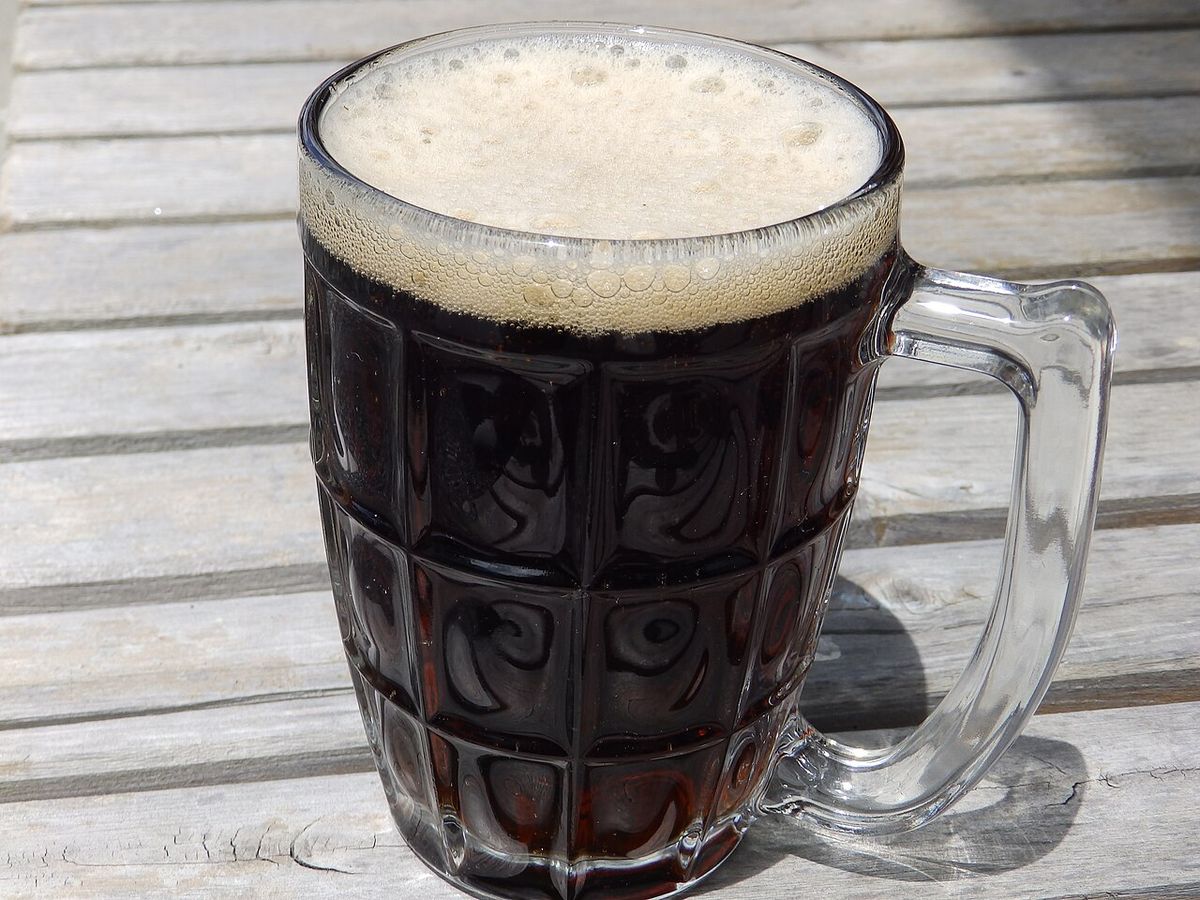
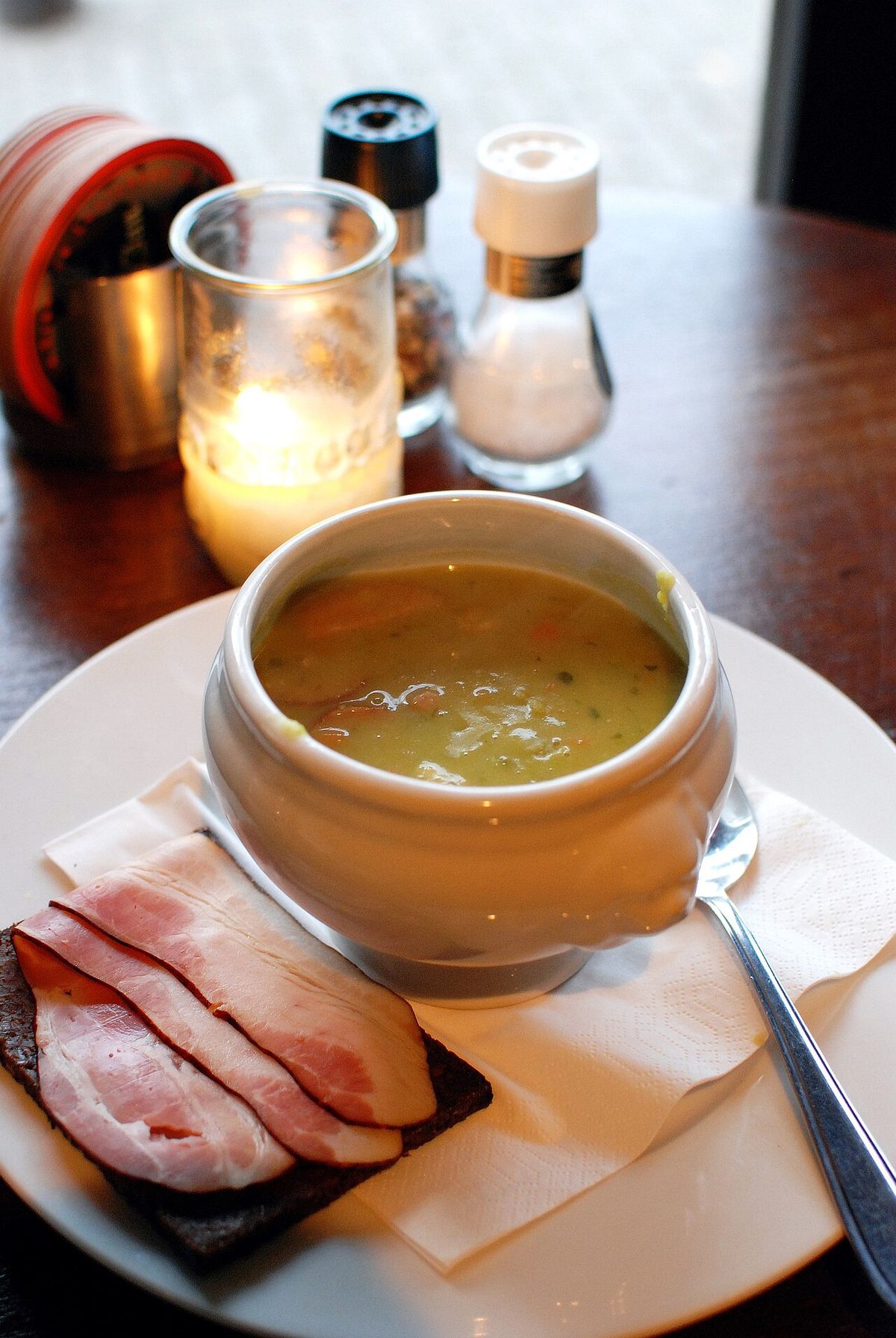
Europe has many distinct pea soup traditions, each with its own ingredients and cultural rituals. In the Netherlands, erwtensoep, also known as snert, is a thick winter stew of green split peas, pork, leeks, carrots, and potato, served with slices of rookworst (smoked sausage). A key distinction is that snert often refers to soup that has been left to stand overnight, thickening further and intensifying in flavour. A traditional test is that it should be thick enough for a wooden spoon to stand upright in the pot. It is customarily served with Frisian rye bread and bacon or pancakes. In Sweden and Finland, ärtsoppa or hernekeitto is traditionally served on Thursdays, a practice dating to pre-Reformation times as a hearty meal before Friday fasting. The Swedish version uses yellow peas and is typically followed by thin pancakes with jam for dessert, while the Finnish variant uses green peas. In Denmark, gul ærtesuppe is served with boiled pork, mustard, pickled beets, and rugbrød, often accompanied by beer and snaps on festive occasions. Polish grochówka, famously associated with the military, is a thick, nutritious soup designed to be prepared in field kitchens. German pea soup often includes bacon, sausage, or Kassler and is served with dark bread, while the Czech version, hrachová polévka, is a creamy soup seasoned with garlic and marjoram, often served with bacon and croutons.
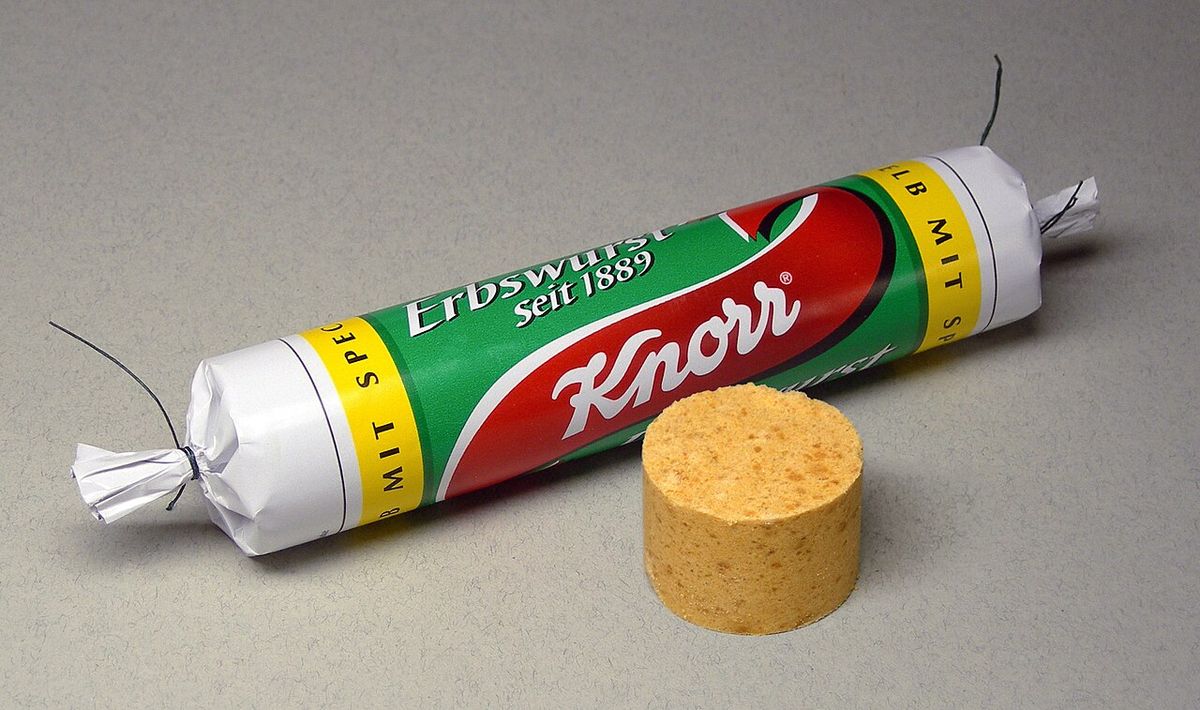
Notable European pea soup traditions and their key features include the Dutch erwtensoep or snert, a thick stew with pork and smoked sausage. In Sweden and Finland, pea soup is traditionally eaten on Thursdays and served with mustard and pancakes. The Polish grochówka is a thick soup strongly associated with military field kitchens. The German version often contains meat like bacon or sausage and was the basis for an early instant product called Erbswurst.
- Dutch Erwtensoep/Snert: A thick stew of green split peas and pork, served with rookworst and rye bread.
- Swedish Ärtsoppa: A Thursday tradition of yellow pea soup served with mustard and followed by pancakes.
- Finnish Hernekeitto: Green pea soup served on Thursdays and at the Laskiainen winter festival.
- Danish Gul Ærtesuppe: Yellow pea soup served with pork, pickled beets, and rugbrød, often with beer and snaps.
- Polish Grochówka: A thick military-style soup, often prepared in field kitchens.
- German Pea Soup: Typically contains bacon, sausage, or Kassler, served with dark bread.
- Czech Hrachová Polévka: A creamy soup seasoned with garlic and marjoram, served with bacon and croutons.
Ingredients, Preparation, and Modern Adaptations
The core ingredient of pea soup globally is the dried pea, most commonly the split pea, which is a dried, peeled, and split seed of the Pisum sativum plant. Split peas come in green and yellow varieties, with colour choice often defining regional styles. Yellow peas are standard in Quebec and Scandinavia, while green peas are used in the Netherlands and Finland. Unlike many dried beans, split peas do not require pre-soaking and will cook to tenderness in 30 to 45 minutes of simmering. The soup's flavour base, or soffritto, almost universally starts with onions, carrots, and celery. The choice of pork product is a major differentiator, ranging from a whole ham hock or smoked bone to diced salt pork, bacon, or sausage. Cooking involves simmering these components in water or broth until the peas break down and the soup thickens. Modern recipes offer numerous adaptations, including vegetarian versions that omit pork and use vegetable stock, sometimes topped with vegetarian bacon or a gremolata for flavour. Cooking methods have expanded beyond the stovetop to include slow cookers and Instant Pots for convenience. Finishing touches vary widely, from a dollop of sour cream or crème fraîche to crispy bacon bits, croutons, or a swirl of flavoured oil.
Common challenges and solutions in preparation include addressing peas that fail to soften, which may be due to old, overly dry peas or very hard water. The soup thickens considerably upon cooling and can be thinned with water or broth when reheated. For a smoother texture, part or all of the soup can be puréed with an immersion or stand blender. Salt is often added at the end of cooking to avoid hindering the peas from softening and to account for saltiness from the pork. The soup's versatility and high protein content make it an enduring choice for family meals, with leftovers typically keeping well for about three days in the refrigerator.
Cultural Significance and Serving Traditions
Beyond mere sustenance, pea soup is woven into the social and cultural fabric of many nations, often associated with specific days, seasons, and communal activities. In Sweden and Finland, the Thursday pea soup tradition remains strong in homes, schools, and restaurants, creating a weekly ritual of comfort and community. In Finland, green pea soup is also a traditional food for Laskiainen, a winter festival associated with Shrove Tuesday, celebrated with sledding and pastries. The Dutch enjoy snert as a street food from koek-en-zopie stalls that appear on frozen canals during winter, catering to ice skaters. In Poland, grochówka is nostalgically linked to military service and is now commonly served from decommissioned field kitchens at public events. The soup has even found its way into literature and history, used as a symbol of humble fare in 19th-century English works by authors like William Thackeray and Thomas Hardy. An apocryphal tale suggests Swedish King Eric XIV died in 1577 after eating poisoned pea soup. The dish's name also inspired 'London particular', a term for the city's thick historical smog, borrowed for a soup made with yellow split peas. In Australia, pea soup is the base for the Adelaide pie floater, a meat pie served in a bowl of thick pea soup, believed to date from the 1890s.
Specific historical and cultural references to pea soup include its mention in Aristophanes' play The Birds from antiquity. In 19th-century English literature, it was sometimes referenced as a sign of poverty. The Swedish king Eric XIV is said to have died after eating arsenic-poisoned pea soup, though this is not proven. The dish also has a long tradition in the Royal Dutch Navy, where it is called snert met drijfijs.
- 1765: The first known written reference to the "Pease Porridge Hot" nursery rhyme.
- 1867: Invention of Erbswurst, an instant pea soup product, by Johann Heinrich Grüneberg.
- 1890s: The believed origin period of the Adelaide pie floater in South Australia.
- Pre-Reformation Era: The origin of the Thursday pea soup tradition in Sweden.
- 19th Century: References as a symbol of poverty in works by William Thackeray and Thomas Hardy.
- 1577: The alleged year Swedish King Eric XIV died after eating poisoned pea soup.
- 1956: The Clean Air Act, after which London's "pea-soup" smogs, and the soup named for them, declined.
Nutritional Profile and Contemporary Relevance
Pea soup is nutritionally dense, offering a substantial source of plant-based protein, dietary fibre, and essential vitamins and minerals from its core ingredients of legumes and vegetables. A single serving provides a significant portion of daily fibre needs, promoting digestive health and satiety. The inclusion of split peas makes the soup high in protein, which is complemented by the additional protein from ham or other pork products in traditional recipes. This nutritional profile, combined with its low cost and the long shelf life of dried peas, has cemented its historical role as a staple food for sailors, soldiers, and households through lean times. In contemporary Canadian and global kitchens, it remains a go-to recipe for healthy eating and meal planning, valued for its ability to feed a crowd economically. Its relevance is also seen in the ongoing popularity of commercial canned soups and the proliferation of recipes online, where home cooks seek both classic techniques and modern twists, such as adding leeks or finishing with herb sauces. The soup's inherent heartiness and warmth ensure its continued status as a definitive comfort food, especially during Canada's long autumn and winter seasons.
Questions about Pea soup
What is traditional Quebec-style pea soup?
Traditional Quebec-style pea soup, known as soupe aux pois, is made with whole or split yellow peas, a ham hock or salt pork, and aromatic vegetables like onions, carrots, and celery. It is seasoned with herbs such as savory and thyme and simmered slowly until the peas break down and the soup becomes thick and hearty. The cooked pork is usually chopped and returned to the soup or served on the side. This style is a fundamental part of French-Canadian cuisine and is especially popular as a way to use a leftover holiday ham bone.
Can you make pea soup vegetarian?
Yes, vegetarian pea soup is easily made by omitting the ham hock or pork products. The soup base is built on a soffritto of onions, carrots, and celery, simmered in vegetable broth instead of chicken broth. To add depth of flavour and a smoky note, cooks often include ingredients like liquid smoke, smoked paprika, or top the finished soup with vegetarian bacon bits. A garnish of a fresh herb sauce or gremolata can also brighten the flavour profile.
How long does homemade split pea soup last?
Homemade split pea soup can be stored in an airtight container in the refrigerator for about three to four days. The soup will thicken significantly as it cools and may solidify when cold. This is normal. When reheating, simply add a little water or broth to thin it to your desired consistency. For longer storage, the soup freezes well for up to three months, making it an excellent option for make-ahead meals.
Do you need to soak split peas before making soup?
No, you do not need to soak split peas before making soup. Unlike many dried beans, split peas will cook quite quickly and easily without any pre-soaking. They typically become tender within 30 to 45 minutes of simmering. It is recommended to rinse the dried peas well under cold water and pick through them to discard any odd-looking ones before cooking. This characteristic makes split pea soup a relatively convenient dish to prepare from scratch.
Why is pea soup traditionally eaten on Thursdays in Sweden?
Pea soup is traditionally eaten on Thursdays in Sweden because the custom originated in the pre-Reformation Catholic era. The hearty, filling soup was consumed on Thursdays to prepare for the fasting that was observed on Fridays. This tradition dates back to at least the 13th century and remains a well-loved part of Swedish social life. It is commonly served in restaurants, schools, military messes, and homes every Thursday, often followed by thin pancakes with jam for dessert.
What is the difference between erwtensoep and snert?
In Dutch cuisine, erwtensoep and snert both refer to thick pea soup, but a culinary distinction is sometimes made. Snert specifically denotes the soup after it has been left to stand overnight, which allows it to thicken significantly and its flavours to develop more fully. A traditional rule of thumb states that proper snert should be thick enough for a wooden spoon to stand upright in the pot. Both are thick stews made with green split peas, pork, and vegetables, and are traditionally eaten during winter.
Sources and further reading
- Pea soup (Wikipedia)
- Split Pea Soup Recipe (Stovetop, Crockpot, Instant Pot) (cookingclassy.com)
- Quebec-Style Yellow Split Pea Soup (seasonsandsuppers.ca)
- split pea soup (smittenkitchen.com)
Checked by the Novello Desserts desk. Last updated 2026-10-25.