Smelt
Smelt are a family of small, silvery fish found in coastal and freshwater habitats across Canada, from the Atlantic and Pacific oceans to the Great Lakes. These fish, belonging to the family Osmeridae, are known for their seasonal spawning runs into rivers and streams, which have supported Indigenous, recreational, and commercial fisheries for generations. In Canada, smelt are valued both as a traditional food source and for the unique cultural festivals and winter fishing traditions they inspire. However, several populations, such as the eulachon of the Pacific coast, are now protected under species-at-risk legislation, making their management a critical issue for conservation and sustainable harvest.
Biology and Species Distribution
Smelts are small, slender fish characterized by their silvery colouration and typically do not grow longer than 20 centimetres, though some European species can reach up to 40 centimetres. They belong to the family Osmeridae, which is distinct from related families like the deep-sea smelts (Bathylagidae) and the Australian and New Zealand smelts (Retropinnidae). Most smelt species are anadromous, meaning they spend the majority of their lives in saltwater but migrate into freshwater rivers and streams to spawn, a lifecycle similar to salmon. Notable exceptions include the surf smelt, which completes its entire life cycle in marine environments. Fossil records indicate smelts have a long evolutionary history, with the earliest known fossil, Enoplophthalmus, dating to the Early Oligocene in Europe, and a possible earlier relative, Speirsaenigma, found in the Paleocene of Canada. In Canada, smelts are found in both the Atlantic and Pacific Oceans, as well as in major freshwater systems like the Great Lakes, where they form the basis of significant ecological and human communities. Some species, like the rainbow smelt, are common in the Great Lakes and northern Europe, where they run in large schools along coastlines during spring migrations.
Historical and Indigenous Use
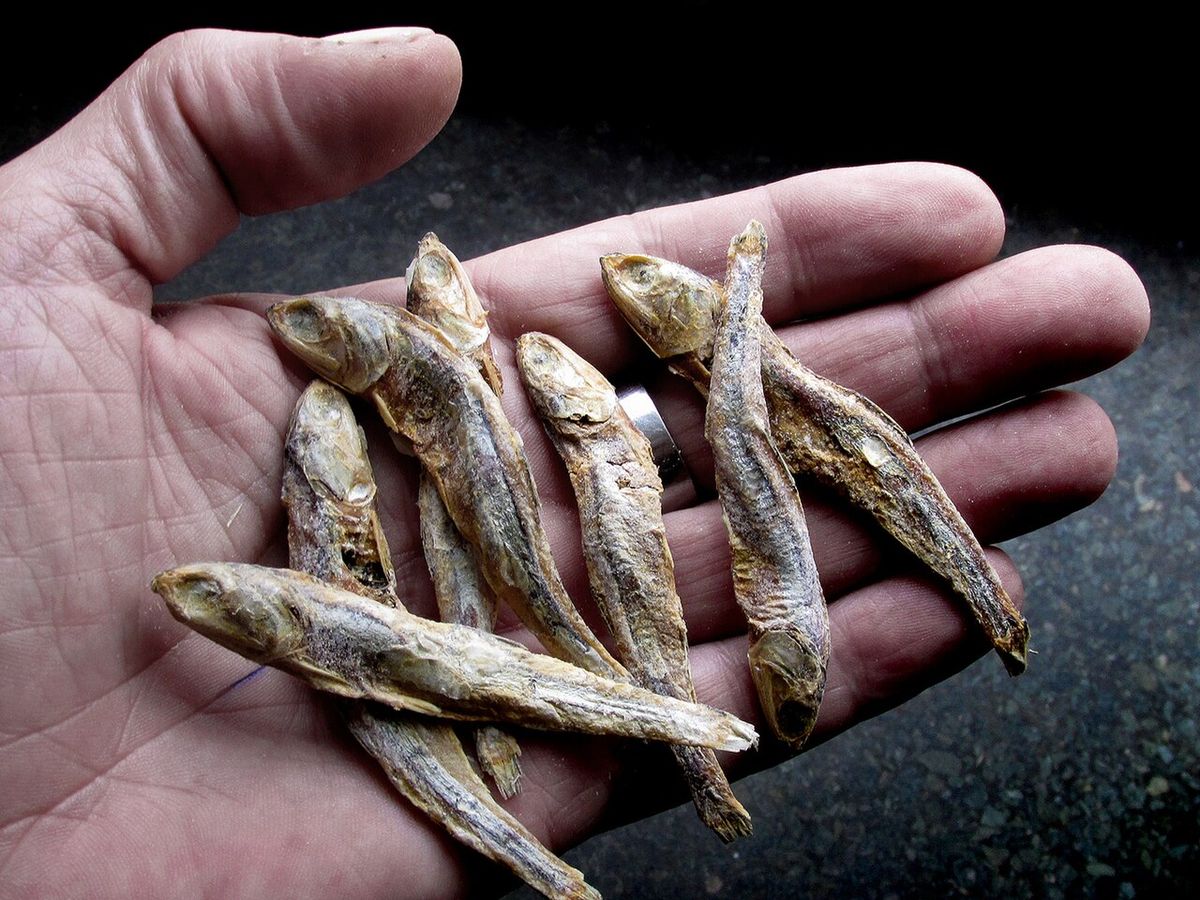
Indigenous peoples in regions with access to smelt, such as around the Great Lakes and the Pacific coast, have long utilized these fish as a vital dietary resource. Smelts provided a reliable source of protein and omega fats that could be obtained without the need for large hunting parties, making them an efficient food source. On the Pacific coast, the eulachon smelt, also known as the candlefish, was particularly important due to its high oil content. When dried, the oily eulachon could be burned like a candle, which is the origin of its common nickname. Traditional preparation methods varied, with some First Nations serving dried smelt with oil to enhance its appeal. The eulachon contains so much oil during spawning that once dried it can literally be burned like a candle. This historical reliance highlights the smelt's integral role in the food security and cultural practices of many Indigenous communities across Canada. Smelts are also considered one of the edible fish with the lowest amount of mercury, making them a healthy choice among freshwater and saltwater species.
Commercial and Recreational Fishing
Smelt have supported both commercial and recreational fisheries, particularly in the Maritime Provinces and around the Great Lakes. Historically, winter ice fishing for smelt was a common practice, with fishermen using horses and sleighs to reach fishing spots on frozen rivers. The catch was often flash-frozen on the ice before being sold, and these cold saltwater smelt were preferred over those from warmer waters. Today, recreational smelt dipping remains a popular spring activity in regions like the Great Lakes, where participants use flashlights and handheld dip nets to scoop fish from streams as waters warm to about 4°C. In the Pacific Northwest, a notable recreational dip-net fishery targets eulachon, or Columbia River smelt, though it is now tightly regulated. The fishery is managed with extreme caution, often opening for only single days or a few hours based on weekly run assessments. For the 2026 season in Washington, the Cowlitz River recreational smelt fishery concluded after two openings in February, with a total harvest of 114,675 pounds reported. A valid Washington freshwater fishing license has been required for all participants aged 16 and older since June 2024 to improve regulatory compliance and education, especially for species protected under the Endangered Species Act. The license requirement aims to provide education on appropriate gear, seasons, and limits in areas where threatened species are present.
Key regulations for the Pacific Northwest smelt fishery include a requirement for a valid Washington fishing license for all participants aged 16 and older. A new law requiring a recreational fishing license to fish for freshwater smelt in Washington went into effect on June 6, 2024. In Oregon, the Sandy River had a one-day fishery open from 12 to 7 p.m. on March 11, 2026, with a limit of 10 pounds per person. When open, each dip-netter is allowed to keep a daily limit of up to 10 pounds of smelt, which fills about a quarter of a five-gallon bucket.
- Harvest is only permitted on dates specifically opened by emergency regulation.
- The daily limit per dipper is 10 pounds of smelt, roughly a quarter of a five-gallon bucket.
- Smelt may only be taken using a handheld dip net with a rigid handle. The bag frame cannot exceed 36 inches across and mesh size must be no larger than 5/8-inch stretch.
- It is unlawful to harvest smelt from a vessel or to fish in any river unless it is officially open.
- Dippers must keep all smelt they catch, regardless of size or condition, and must use a separate, marked container for their catch.
- Each harvester must be actively participating and their catch must be in their presence or marked with their name.
The tentative schedule for the Cowlitz River fishery often proposes openings on Wednesdays and Saturdays from early February to late March. Final approval for openings depends on weekly smelt run size evaluations posted each Friday. This management approach aims to balance fishing opportunity with the conservation needs of the threatened eulachon population. The 2026 smelt return to the Columbia River was expected to be slightly less than the 10-year average of 8.6 million pounds. After accounting for harvests in February, available data did not support additional openings, and the 2026 Cowlitz River smelt season concluded.
Culinary Traditions and Preparation
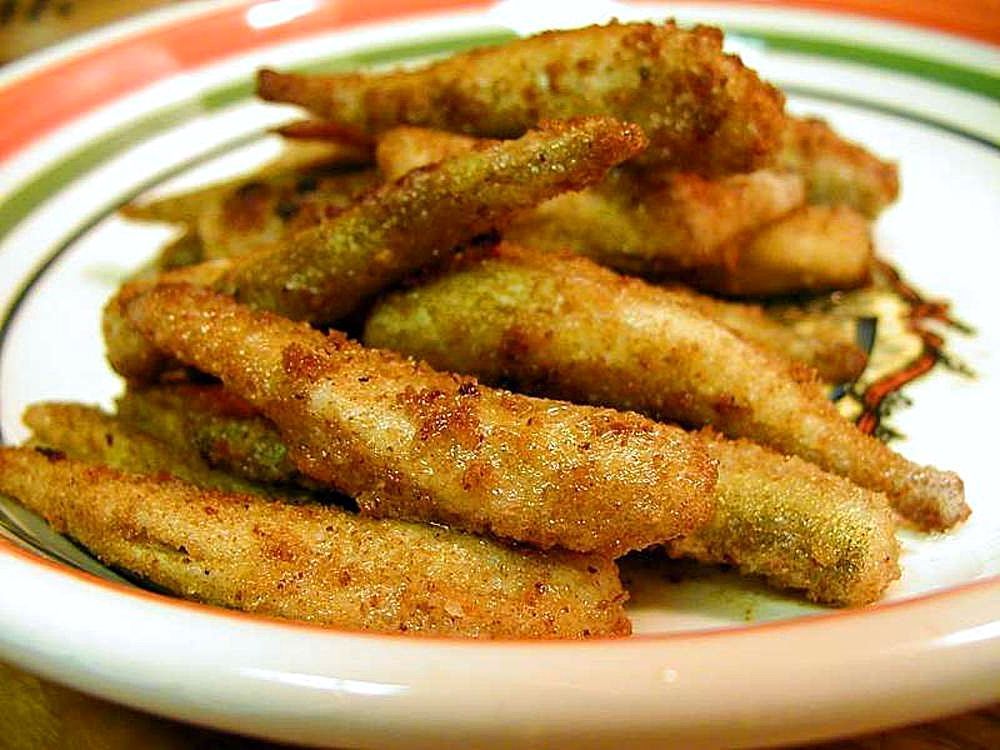
Smelt are celebrated in Canadian cuisine for their delicate flavour and are typically cooked and eaten whole, including the fins, scales, and small bones. A common preparation method is pan-frying the fish in flour and butter, often directly after being caught in ice fishing shacks along frozen rivers. Deep-frying in a light batter is another popular technique, resulting in a crispy exterior, and they are also cooked over small stoves in fishing shacks. In First Nations cuisine, modern recipes sometimes call for boning the fish, coating them in a mixture that includes lemon juice and grated parmesan cheese, and frying them in canola or peanut oil. Beyond North America, smelt hold culinary importance in various cultures. In Japan, the species Sprinchus lanceolatus is grilled and served as shishamo, especially when filled with eggs, while smelt roe from capelin, called masago, is a yellow to orange sushi ingredient. In Chinese dim sum, smelt are deep-fried with heads and tails attached and are known as 'many egg fish'. In South Korea, smelt (bing-eo) are eaten alive or deep-fried during seasonal festivals, and in Finland, the province of Paltamo holds yearly Norssikarnevaali festivals in mid-May. For some Italians from Calabria, fried smelts are a traditional part of the Christmas Eve dinner consisting of multiple fish courses.
Conservation Status and Management
The conservation of smelt populations, particularly on the West Coast, has become a major management concern. The eulachon smelt of the Columbia River system was listed as a threatened species under the U.S. Endangered Species Act in 2010, leading to stringent fishery regulations. In Canada, similar concerns exist for populations that have seen declines, and the Delta smelt in California is also protected. Fisheries are now managed with a precautionary approach, with openings authorized only when abundance data supports a limited harvest. For example, the 2026 smelt return to the Columbia River was forecasted to be slightly below the ten-year average of 8.6 million pounds. Management actions include very short fishing windows, such as the one-day fishery on Oregon's Sandy River open from noon to 7 p.m. on March 11, 2026, with a strict 10-pound per person limit. Authorities emphasize that compliance with these limits is critical for the population's recovery, as overharvest could jeopardize future opportunities. The licensing requirement for recreational fishers, implemented in Washington in 2024, is also a tool for improving education and monitoring to support conservation goals. The southern distinct population segment of eulachon supports a popular recreational dip-net fishery in southwest Washington, but fisheries do not occur every year and are often brief to protect the sensitive population.
State agencies provide general observations on smelt presence and river conditions, but these are not fishing reports and do not determine if fishing days are approved. The Washington Department of Fish and Wildlife uses a tentative schedule approach for the Cowlitz River recreational smelt fishery to provide advance notice of potential fishing days while balancing increasing fishing effort with sustainable management practices. In Oregon, officials noted that the 2026 Sandy River return did not appear as large as the previous year's, and post-spawn die-offs were already being observed, as most adults die shortly after spawning. The department asked for public support to follow all regulations and respect harvest limits to protect this unique opportunity for years to come.
Cultural Festivals and Events
Smelt runs have inspired numerous community festivals that celebrate the fish's seasonal arrival and cultural significance. These events often feature smelt frying and communal meals. In North America, the village of Lewiston, New York, hosts an annual two-day smelt festival the first weekend in May, where approximately 160 kilograms of smelt are battered, fried, and offered as free samples to support programs of the Niagara River Anglers. The event's motto, 'Lewiston never smelt so good,' plays on the dual meaning of the word. In Port Washington, Wisconsin, the American Legion Post 82 has held an annual Smelt Fry since 1951, a tradition rooted in the town's history as a Lake Michigan fishing community, and the town also hosts a Fish Day in mid-July billed as the world's largest one-day outdoor fish fry. The Magic Smelt Puppet Troupe in Duluth, Minnesota, organizes a 'Run, Smelt, Run!' parade, smelt fry, and dance party each year since 2012, and the troupe occasionally hosts other performances throughout the year. Internationally, an Ice Fishing Festival in Inje, South Korea, coincides with the smelt run from January 30 to February 2 on Soyang Lake, while Lithuania holds the 'Palangos Stinta' smelt festival in Palanga every January. Although the self-proclaimed 'Smelt Capital of the World' in Kelso, Washington, erected billboards and held festivals until runs dried up, these events elsewhere continue to highlight the smelt's role in local heritage. A Smelt Festival is also celebrated in Saint Petersburg, Russia, during the spring run in the Neva River at the head of the Gulf of Finland.
Smelt Returns and Fishery Data (2026 Examples)
Fishery managers closely monitor smelt returns to set sustainable harvest levels. The following table summarizes key data and regulations from the 2026 season for two notable Pacific Northwest fisheries, illustrating the precise and limited nature of modern smelt management. The 2026 smelt return to the Columbia River was expected to be slightly less than the 10-year average of 8.6 million pounds, influencing management decisions. The Cowlitz River season had a tentative schedule proposing openings on Wednesdays and Saturdays from February 4 to March 21, but only two days in February were ultimately approved.
| Fishery Location | 2026 Season Details | Harvest Limit |
|---|---|---|
| Cowlitz River, Washington | Season concluded after two February openings. Tentative schedule proposed Wed/Sat from Feb 4-Mar 21. | 10 lbs per dipper per day |
| Sandy River, Oregon | Single-day opening: March 11, 12:00 p.m. to 7:00 p.m. only. First time in nearly 50 years smelt returned four years consecutively. | 10 lbs per person |
The management of these fisheries is highly adaptive, with openings confirmed only after weekly evaluations of the smelt run size. In Oregon, officials recommended dippers bring waders, ice for storage, and life jackets for children. They also advised respecting private property by parking only in designated public areas. This data-driven approach ensures fishing pressure does not exceed what the vulnerable smelt populations can sustain. The fisheries are carefully managed because smelt were listed as a threatened species under the federal Endangered Species Act in 2010.
Political and Media Attention
Smelt have occasionally entered broader political and media discussions, particularly concerning environmental management and water use conflicts. In January 2025, the fish gained notoriety after being mentioned by then-president-elect Donald Trump in a critique of California Governor Gavin Newsom during the 2025 California wildfires. In a Truth Social post on January 8, 2025, Trump referred to the smelt as an essentially worthless fish and stated that Newsom blocked the provision of water for drinking and firefighting to protect local smelt populations, which he claimed led to raging wildfires and property damage. This incident reflects how smelt, often a minor species in the public eye, can become a focal point in debates over resource allocation and endangered species protection. The Delta smelt in California's Sacramento Delta is one such protected species whose habitat requirements have been part of long-standing water management controversies in the state.
Fishing Techniques and Equipment
The primary method for catching smelt recreationally is dip-netting, a technique that requires specific gear and conditions. Anglers use a handheld dip net with a rigid handle, where the bag frame may not exceed 36 inches across and the mesh size must be no larger than 5/8-inch stretch measure. Fishing typically occurs at night, with participants using flashlights or headlamps to spot the silvery fish in the water before scooping them up. On the coast of Maine, historical accounts describe smelt runs up tiny tidal estuaries so narrow a person could straddle them and catch fish using just a bucket. Ice fishing for smelt is also a common winter activity, where anglers fish through holes in river ice, often from small fishing shacks that form temporary villages along frozen rivers. In the Pacific Northwest fisheries, it is unlawful to harvest smelt from a vessel, ensuring the activity remains a wade-in or bank-based fishery. Dippers are advised to bring their own scale to ensure they do not exceed the 10-pound daily limit, as visual estimates can be inaccurate. The requirement for a separate container for each harvester's catch helps enforcement officers monitor compliance with individual limits. In the past, commercial fishing for smelt in New England and the Maritimes involved using nets at sea, and the fish were a source of supplemental income due to their abundance, though they did not command a high market price.
Questions about Smelt
What is smelt dipping and where is it done in Canada?
Smelt dipping is a recreational fishing method where participants use handheld dip nets to catch smelt as the fish migrate into freshwater streams to spawn. It is commonly practised in the Canadian provinces around the Great Lakes in early spring when water temperatures reach approximately 4°C. Fishers often use flashlights or headlamps to spot the fish at night before scooping them from the water. This tradition is also found in the Maritime Provinces and, under strict regulation, for eulachon smelt in the rivers of the Pacific Northwest. In the past on the Maine coast, smelt were a sign of spring, and people could catch them by dipping a bucket in narrow tidal streams.
Why are some smelt populations protected?
Several smelt populations, particularly on the West Coast, have experienced significant declines due to habitat alteration, water diversion, and other environmental pressures. The eulachon smelt (Thaleichthys pacificus), also known as the Columbia River smelt, was listed as a threatened species under the U.S. Endangered Species Act in 2010. This protection mandates careful fishery management to prevent overharvest and support population recovery. In the Pacific Northwest, recreational fisheries are now often limited to very short, specific openings and low harvest limits to ensure sustainability. The Delta smelt in California is another protected species whose status has influenced water policy debates.
How do you cook and eat smelt?
Smelt are typically cooked and eaten whole, with the small bones, fins, and scales being soft enough to consume after cooking. Common preparation methods include pan-frying the fish in flour and butter or deep-frying them in a light batter. In some First Nations recipes, the bones are removed and the fish are coated with ingredients like lemon juice and parmesan before frying. Smelt are also a traditional part of Christmas Eve dinners in some Italian communities and are served grilled in Japan as shishamo or as roe (masago) in sushi. In coastal Karnataka, India, they are fried or used in curries.
What is a eulachon or candlefish?
The eulachon (Thaleichthys pacificus) is a type of smelt native to the Northeast Pacific Ocean and adjacent rivers. It is famously known as the 'candlefish' because its body contains such a high oil content, especially during spawning, that once dried, it can be lit and will burn like a candle. This fish has been historically vital to Indigenous peoples of the Pacific coast for both food and oil. It is now a threatened species, and its harvest is highly regulated to protect remaining populations. The fish grow six to nine inches long and live three to five years, with most adults dying shortly after spawning.
Are fishing licenses required to dip for smelt?
Yes, fishing license requirements are in place in many jurisdictions to improve regulation and conservation. In Washington State, a valid freshwater fishing license has been required for all smelt dippers aged 16 and older since June 6, 2024. This requirement aims to educate fishers on proper gear, seasons, and limits, which is particularly important for fishing activities that could impact species listed under the Endangered Species Act, such as the threatened Columbia River smelt. Those 15 years and younger do not need a license, and existing license holders did not see increased costs when the rule was implemented.
What are some famous smelt festivals?
Numerous communities host festivals celebrating the smelt run. Notable examples include the annual two-day Smelt Festival in Lewiston, New York, held the first weekend in May, where hundreds of pounds of smelt are fried and sampled. Port Washington, Wisconsin, has hosted an American Legion Smelt Fry since 1951. Internationally, the Ice Fishing Festival in Inje, South Korea, features smelt in late winter, and Lithuania holds the 'Palangos Stinta' festival in Palanga every January. These events often combine food, community, and cultural heritage centred on the fish. The Magic Smelt Puppet Troupe in Duluth, Minnesota, also holds an annual 'Run, Smelt, Run!' event with a parade and fry.
Sources and further reading
- Smelt (Wikipedia)
- Cowlitz River smelt fishing (wdfw.wa.gov)
- Smelt fishery on Sandy River opens 12-7 p.m., Wednesday ... (myodfw.com)
- Smelt Runs in the Sandy River, Troutdale OR (troutdaleoregon.gov)
Checked by the Novello Desserts desk. Last updated 2026-10-28.