Sour cream
Sour cream is a fermented dairy product made by introducing lactic acid bacteria into cream, which thickens it and imparts a characteristic tangy flavour. In Canada, it is a common and versatile ingredient found in both traditional European dishes and modern North American cuisine, from perogies and borscht to baked goods and creamy dips. Its production and composition are regulated by Canadian food standards, which specify minimum milk fat content and permissible additives. As a staple in many Canadian refrigerators, sour cream serves as a key condiment, a baking ingredient for moisture, and a base for numerous sauces and dressings.
Production and Regulation in Canada
The commercial production of sour cream is a carefully controlled process that begins with standardizing cream to contain at least 18 percent milk fat, as mandated by Canadian food regulations. During this stage, manufacturers may add permitted stabilizers and thickeners such as algin, carob bean gum, carrageenan, guar gum, or propylene glycol alginate, in amounts not exceeding 0.5 percent of the total product. Other allowed additives include monoglycerides and mono- and diglycerides, not exceeding 0.3 percent, and sodium phosphate dibasic in an amount not exceeding 0.05 percent. The mixture is then homogenized, a mechanical process that breaks down fat globules to create a smoother, more uniform texture and a whiter appearance. Following homogenization, the cream undergoes high-temperature short-time pasteurization, heated to 85°C for thirty minutes to eliminate harmful bacteria and create a sterile environment for the starter culture.
After pasteurization, the cream is cooled to approximately 20°C, an ideal temperature for mesophilic bacterial cultures. It is then inoculated with a one to two percent active starter culture containing specific strains of lactic acid bacteria. This culture ferments the lactose in the cream into lactic acid over a period of about 18 hours, gradually lowering the pH from around 6.5 to 4.6. This acidification causes the casein proteins in the cream to coagulate and thicken, forming the final gel structure of sour cream. Canadian regulations also permit the use of milk-coagulating enzymes derived from Rhizomucor miehei or Aspergillus oryzae in amounts consistent with good manufacturing practice. The finished product must contain no less than 14.4 percent milk fat and have a total acidity of at least 0.5 percent before it is packaged, cooled a final time, and distributed to retailers. The entire process is designed to produce a consistent product that meets strict safety and quality standards for Canadian consumers.
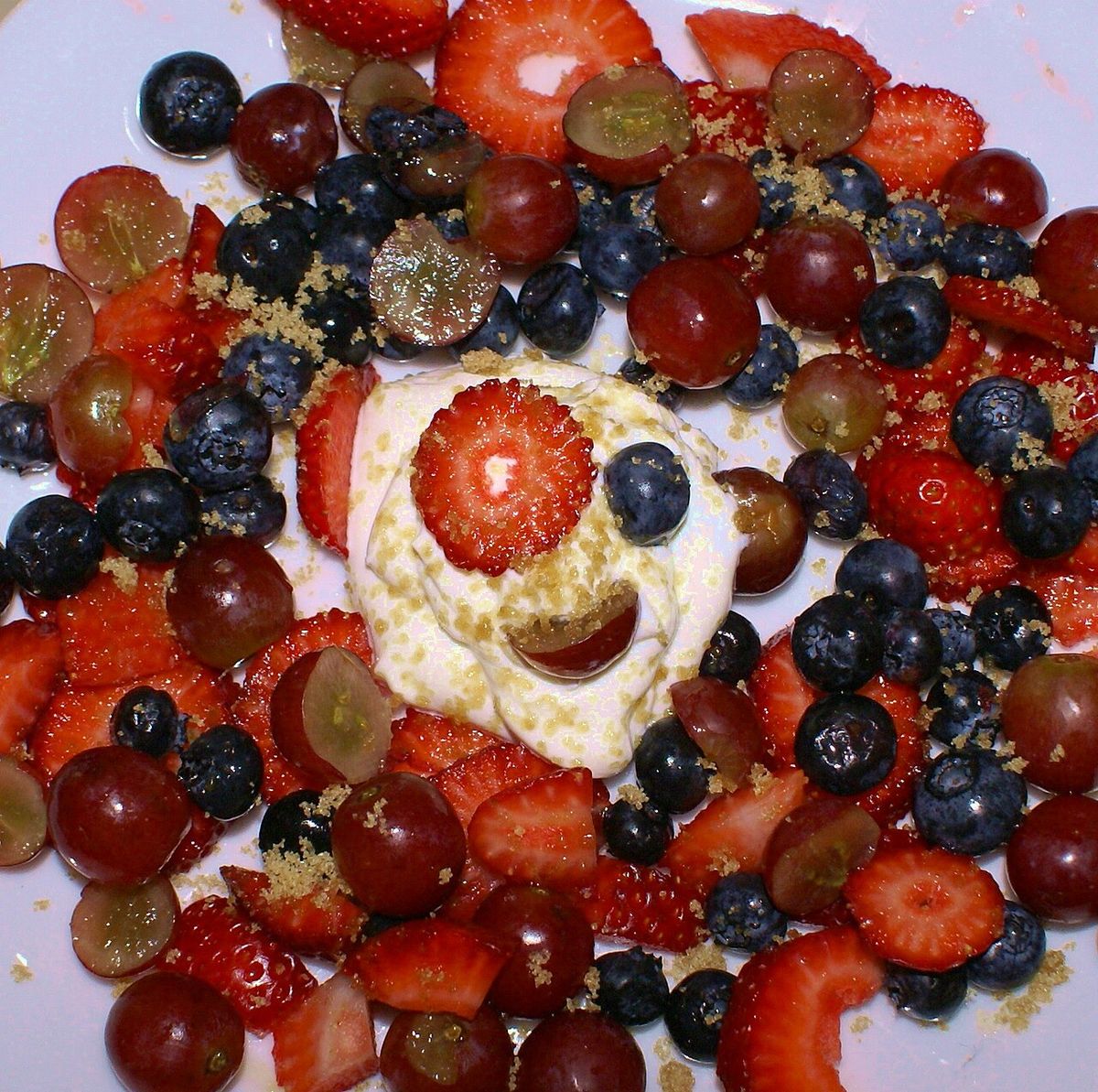
Physical and Chemical Properties
The unique texture and stability of sour cream are the result of specific physicochemical changes during processing. During the pasteurization step, whey proteins like β-lactoglobulin denature when heated above 70°C. These denatured proteins bind to the surfaces of fat globules, which increases the structural components in the mixture and contributes to a firmer final texture. The subsequent fermentation process initiated by the lactic acid bacteria is responsible for the characteristic sour taste and thickening. As the bacteria convert lactose to lactic acid, the pH of the cream drops. This decrease in pH leads to the dissolution of calcium phosphate and a reduction in the zeta potential, which is the electrostatic charge stabilizing the casein micelles in the cream.
When the pH reaches the isoelectric point of casein, approximately 4.6, the net surface charge on the micelles becomes neutral. At this point, electrostatic repulsion is minimized and hydrophobic interactions dominate, causing the casein proteins to aggregate and form a continuous gel network. The denatured whey proteins, which become insoluble at this acidic pH, precipitate alongside the casein, further strengthening the gel. These interactions create a thixotropic fluid, meaning its viscosity decreases when stirred or worked but recovers when left at rest. At room temperature, sour cream has a viscosity of about 100,000 centipoise, which is significantly thicker than water, which has a viscosity of 1 centipoise. This property is crucial for its performance as a condiment and ingredient, providing a creamy mouthfeel that holds its shape but spreads easily. The gel structure is maintained by a combination of hydrogen bonds, hydrophobic interactions, electrostatic attractions and van der Waals forces, all of which are dependent on the final pH, temperature, and processing time.
Culinary Uses and Canadian Applications
Sour cream is a remarkably versatile ingredient in Canadian kitchens, valued for its ability to add tang, richness, and moisture to a wide array of dishes. It is commonly used as a cool, creamy topping for baked potatoes, perogies, tacos, and nachos. In cooking, it is stirred into soups, stroganoffs, and casseroles to thicken and enrich them, as seen in popular recipes like sour cream noodle bake and cheesy potato casserole. Its acidity can also help tenderize meats in marinades, such as for fried chicken marinated overnight in a mixture of sour cream, milk, and harissa. In baking, sour cream is a secret weapon for creating exceptionally moist and tender cakes, muffins, and doughnuts because its fat content and acidity interact with leavening agents to improve texture.
The influence of Eastern European culinary traditions, brought by immigrant communities, is evident in many Canadian uses of sour cream. Dishes like borscht, cabbage rolls, and potato pancakes are traditionally served with a dollop of sour cream. Modern Canadian recipes continue to innovate with the ingredient, using it in everything from creamy pasta sauces and quiches to refreshing vegetable dips and salad dressings. For instance, a simple dip of sour cream mixed with dried herbs and spices is a classic party appetizer. Its functionality extends to balancing spicy flavours in Tex-Mex inspired dishes, where it cools the heat of chillies in tacos or burrito bowls. Brands like Gay Lea promote its use in specific recipes such as broccoli cheese bites, flatbread pizza, and lactose-free pasta sauces, highlighting its role in everyday Canadian cooking.
- As a Condiment: Topping for perogies, baked potatoes, tacos, and borscht.
- In Baking: Key ingredient in cakes, doughnuts, and muffins for added moisture.
- In Cooked Dishes: Used to thicken and enrich casseroles, stroganoff, soups, and sauces.
- In Marinades: Tenderizes meat for dishes like fried chicken.
- In Dips and Spreads: Base for vegetable dips, onion dip, and salad dressings.
- In Salads: Creamy component in dishes like cucumber salad (mizeria) or pea salad.
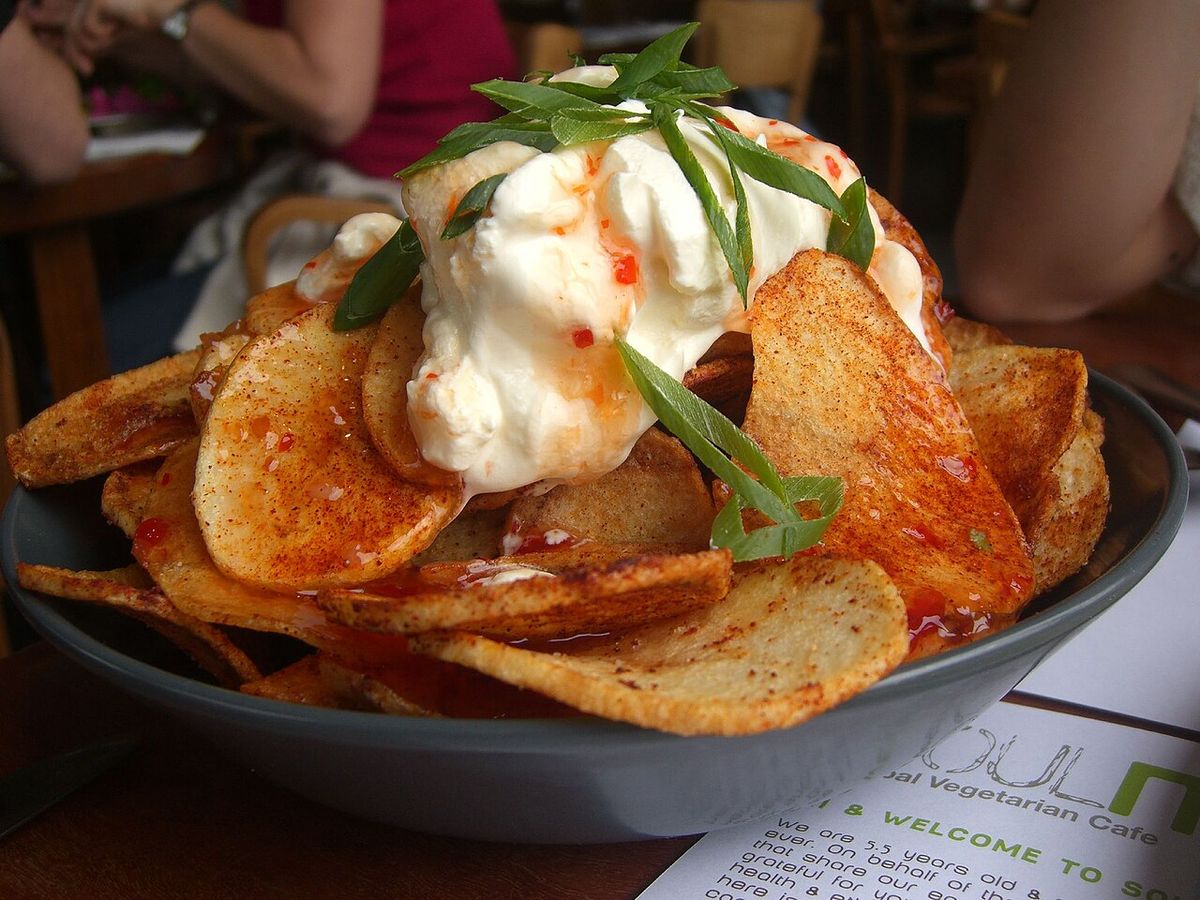
International Dishes Featuring Sour Cream
Beyond North America, sour cream is a fundamental component in many traditional dishes from Eastern and Central Europe, reflecting the culinary heritage of many Canadian families. In Polish cuisine, mizeria is a refreshing salad of thinly sliced cucumbers mixed with sour cream, dill, salt, and pepper. Ukrainian and Belarusian cooking features machanka, a hearty pork stew made with bacon, sausages, or ham and enriched with sour cream, flour, and beef stock, typically served with potato pancakes called draniki. Croatian sir i vrhnje is a simple yet beloved dish of fresh cottage cheese blended with sour cream, often seasoned with smoked paprika, garlic, salt, or pepper.
In Germany, specifically Frankfurt, Frankfurter Grüne Soße is a celebrated cold herb sauce made with sour cream and seven specific fresh herbs including borage, chervil, and chives, traditionally served with boiled eggs and potatoes. Slovenian cuisine offers sirovi štruklji, boiled rolls of thin dough filled with a mixture of sour cream and curd cottage cheese, sometimes with added sugar and raisins. From Tatarstan comes echpochmak, a savoury pastry with a filling of lamb, potatoes, and onions, where the dough itself is often made with milk, eggs, flour, and sour cream. These dishes illustrate the global reach of sour cream as a culinary staple and its integration into diverse food cultures that have influenced Canadian eating habits through immigration and cultural exchange.
Storage, Selection, and Handling
Proper storage is essential for maintaining the quality and safety of sour cream. As a fresh dairy product, it must be refrigerated at all times, both before and after the container is opened. Unopened commercial sour cream, when kept consistently chilled, can generally remain safe to consume for one to two weeks beyond the date stamped on the container, whether it is labelled as a 'best before', 'sell by', or 'use by' date. Once opened, the product should be used within seven to ten days. Consumers should always check the product for any signs of spoilage, such as an off smell, mould growth, or significant separation of liquid whey, before use. The stabilizers added during production, such as modified food starch, guar gum, and carrageenans, are specifically included to reduce whey syneresis and extend shelf life, especially during transportation when containers are jostled.
When purchasing sour cream, Canadians will find several varieties, including full-fat, light, and lactose-free options from brands like Gay Lea. The full-fat version, meeting the 14.4 percent milk fat minimum, provides the richest flavour and texture for cooking and baking. Light versions have a lower fat content, while lactose-free sour cream is processed to break down lactose, making it suitable for those with lactose intolerance. For cooking applications where the sour cream will be heated, it is important to add it at the end of the cooking process and stir it in gently over low heat to prevent curdling or separation due to its acidic nature. Processed sour cream can also contain other additives like grade A whey, sodium phosphate, sodium citrate, calcium sulfate, and potassium sorbate, which aid in preservation and texture.
Popular Canadian Recipes and Brand Campaigns
Sour cream is featured in countless Canadian home recipes, often providing the key element of creaminess and tang. A classic example is the sour cream noodle bake, a comforting casserole combining egg noodles, cottage cheese, a meaty tomato sauce, and a topping of sour cream. For breakfast, sour cream pancakes, a recipe passed down through generations like that of Ladd Drummond's grandmother Edna Mae, rely on sour cream, flour, baking soda, sugar, salt, eggs, and vanilla for a light, golden result. Cheesy potato casserole, a staple at holiday gatherings and weeknight dinners, uses sour cream to bind frozen shredded hash browns with cheddar cheese and cream of chicken soup into a creamy, baked side dish.
Other popular applications include a creamy lemon pasta sauce, where sour cream is blended with butter, garlic, and lemon juice. For desserts, sour cream pound cake or coffee cake with a cinnamon and almond streusel remains moist and rich due to the fat and acidity in the sour cream. A simple vegetable dip made by mixing sour cream with dried onion soup mix is a perennial favourite for parties. Canadian dairy brand Gay Lea actively promotes sour cream use through specific recipes and campaigns, such as their Share Joy campaign featuring a vanilla cake made moist with sour cream and whipped cream, topped with cream cheese frosting. Their marketing highlights recipes for baked apple pie cookies, fried chicken, crispy fingerling potatoes with caramelized onion dip, and taco bowls, positioning sour cream as a fundamental ingredient for both everyday and special occasion cooking.
| Recipe Type | Example Dish | Key Role of Sour Cream |
|---|---|---|
| Casserole | Cheesy Potato Casserole | Binds ingredients, adds creaminess and tang |
| Breakfast | Sour Cream Pancakes | Provides tenderness, lift, and golden colour |
| Pasta Dish | Sour Cream Noodle Bake | Creates a creamy, rich topping and sauce component |
| Dessert | Sour Cream Coffee Cake | Ensures moist, dense texture and balances sweetness |
| Dip | Onion Dip or Herb Dip | Forms the creamy, tangy base for flavourings |
| Salad | Creamy Cucumber Salad (Mizeria) | Provides the primary dressing base with dill and seasoning |
| Marinade | Harissa Fried Chicken | Tenderizes chicken and helps lock in flavour during cooking |
| Baking | Baked Doughnuts | Adds moisture and richness to batter for a tender crumb |
Scientific and Industrial Context
The industrial manufacture of sour cream involves precise scientific principles to achieve its desired consistency and shelf stability. The initial homogenization step is critical, as it breaks fat globules into sizes below 2 microns, which increases the product's overall viscosity and enhances its white colour by reducing light scattering. The adsorption of denatured whey proteins onto these fat globules during heating creates more structural components within the colloidal system. The fermentation stage relies on the metabolic activity of lactic acid bacteria, which not only produce lactic acid but also compounds like diacetyl that contribute to the characteristic aroma and flavour of sour cream.
The physical-chemical changes are mathematically described in part by Henry's equation, used to calculate the zeta potential in colloidal dispersions. This potential, represented in the formula U_E = ⌊2εzf(ka)/3η⌋ where z is zeta potential and η is viscosity, helps explain the stability of the casein micelles. As pH drops during fermentation, the changing zeta potential leads to the aggregation of casein at the isoelectric point. The specific strains of bacteria in the starter culture are selected for their ability to consistently produce the correct acidity and texture. The inclusion of stabilizers like polysaccharides and gelatin is not arbitrary. They are added to create specific gel structures, provide a smoother texture, and critically, to reduce whey syneresis, which directly impacts consumer perception of freshness and quality on the grocery shelf and in the home refrigerator.
Questions about Sour cream
What is the minimum milk fat content in sour cream sold in Canada?
According to Canadian food regulations, sour cream must contain no less than 18 percent milk fat before any bulking agents are added. In the finished product that consumers purchase, the minimum milk fat content is 14.4 percent. These standards ensure a consistent level of richness and texture for the sour cream available on Canadian grocery store shelves. The regulations also specify a minimum total acidity of 0.5 percent for the commercial product.
How long does sour cream last in the refrigerator?
When kept properly refrigerated, an unopened container of sour cream can last for one to two weeks beyond the date printed on the package. Once opened, it should be consumed within seven to ten days for best quality and safety. Always store sour cream in the main body of the refrigerator, not in the door, to maintain a consistent cold temperature and check for signs of spoilage before use. The stabilizers added during production help extend this shelf life by reducing liquid separation.
Can you freeze sour cream?
Freezing sour cream is not generally recommended as it can severely alter its texture. The freezing process causes the water and fat to separate, often resulting in a grainy, curdled consistency when thawed. While it may still be safe to eat and could be used in cooked dishes like soups or casseroles where texture is less critical, its quality as a condiment or baking ingredient will be compromised. For best results, use fresh sour cream or explore shelf-stable alternatives for long-term storage needs.
What are some common substitutes for sour cream in recipes?
Several ingredients can stand in for sour cream depending on the recipe. Plain, unsweetened yogurt is the most common substitute, offering a similar tang and texture. For baking, buttermilk or thinned crème fraîche can work. In dips and sauces, blended cottage cheese or a mixture of milk and lemon juice added to mayonnaise can provide a comparable creaminess. Lactose-free sour cream is also widely available for those with dietary restrictions. The choice of substitute depends on whether the recipe requires the acidity, fat content, or thickening properties of sour cream.
Why does sour cream sometimes separate or become watery?
A small amount of liquid, known as whey, separating from the solid curd is a natural occurrence in sour cream, especially if it has been jostled or stored for a while. This is called syneresis. The stabilizers added during commercial production, such as carrageenan and guar gum, are designed to minimize this by strengthening the gel structure. The sour cream is still safe to eat. Simply stir the liquid back in to recombine. Excessive separation can be a sign of age or temperature abuse, indicating the product may be past its prime.
Is sour cream used in baking, and what does it do?
Yes, sour cream is a popular ingredient in baking. Its high fat content adds richness and moisture to cakes, muffins, and quick breads, helping to create a tender crumb. The acidity in sour cream can also react with baking soda to produce carbon dioxide, providing additional lift and a lighter texture. It is a key component in recipes like sour cream coffee cake, pound cake, and certain doughnuts. Specific recipes, such as Gay Lea's vanilla cake for their Share Joy campaign, use sour cream combined with whipped cream to achieve a perfectly moist and fluffy result.
Sources and further reading
- Sour cream (Wikipedia)
- 32 Best Rated Dishes with Sour Cream (tasteatlas.com)
- 21 Best Sour Cream Recipes for Every Meal of the Day (thepioneerwoman.com)
- 10 Surprising Ways To Use Sour Cream (flavournetwork.ca)
- Sour Cream Recipe Page (nebeef.org)
Checked by the Novello Desserts desk. Last updated 2026-10-25.