Old Quebec
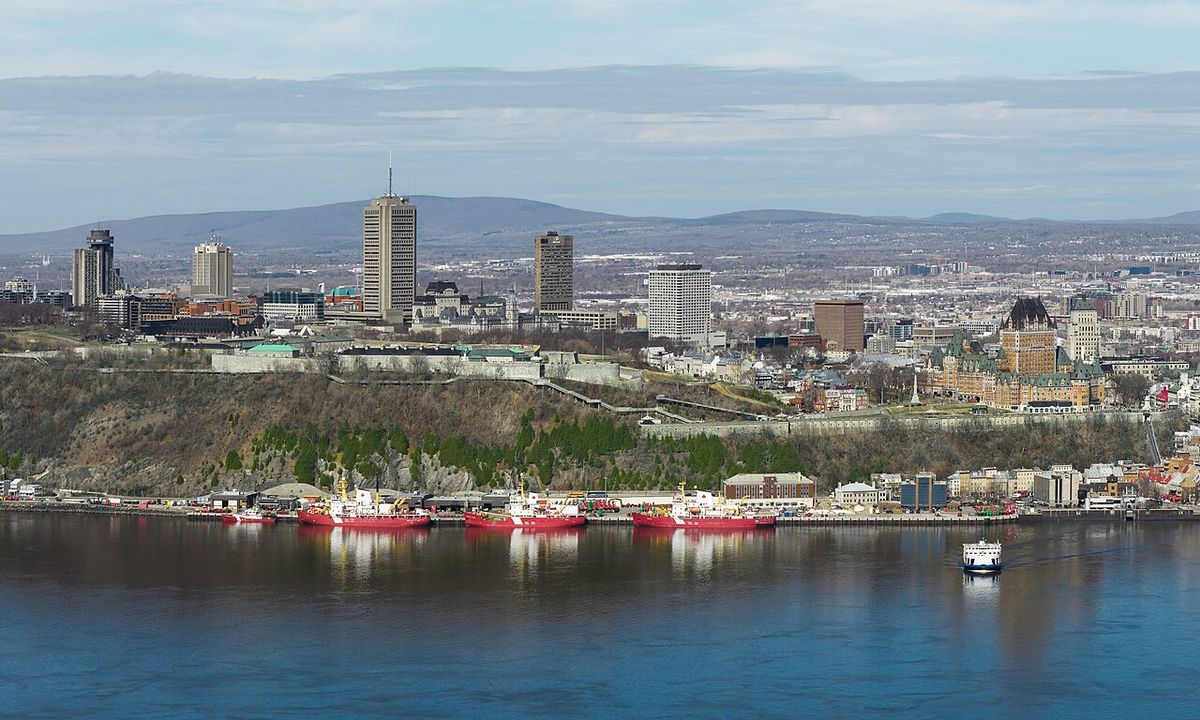
Old Quebec, known in French as Vieux-Québec, is the historic heart of Quebec City and a UNESCO World Heritage Site. Comprising the fortified Upper Town on the Cap Diamant promontory and the riverside Lower Town, it is the only walled city north of Mexico and the birthplace of French civilization in North America. The area is administratively part of the Vieux-Québec-Cap-Blanc-colline Parlementaire district in the borough of La Cité-Limoilou. For Canadians and international visitors, Old Quebec is a living museum, a major tourist destination, and an active residential neighbourhood that embodies the nation's French colonial origins.
Historical Significance and UNESCO Designation
The Historic District of Old Quebec represents the most complete surviving example of a fortified colonial town north of Mexico. Its origins trace directly to French explorer Samuel de Champlain, who established a permanent settlement and Fort Saint Louis on the site in 1608, making it the capital of New France. The area's historical significance was formally recognized through a prolonged public preservation movement between 1945 and 1965, which successfully argued against demolishing the fortifications for urban development. The National Assembly of Quebec officially declared the area a historic district on July 10, 1963, following an amendment to the Historic Sites and Monuments Act, initially protecting an area of 135 hectares. This provincial designation was expanded on May 7, 1964, to its final protected perimeter of 1.42 square kilometres, encompassing approximately 1,400 buildings. The international recognition came on December 3, 1985, when UNESCO inscribed the Historic District of Old Quebec on its World Heritage List, citing its outstanding universal value as a remarkably intact example of a European fortified colonial town.
Geography and Layout
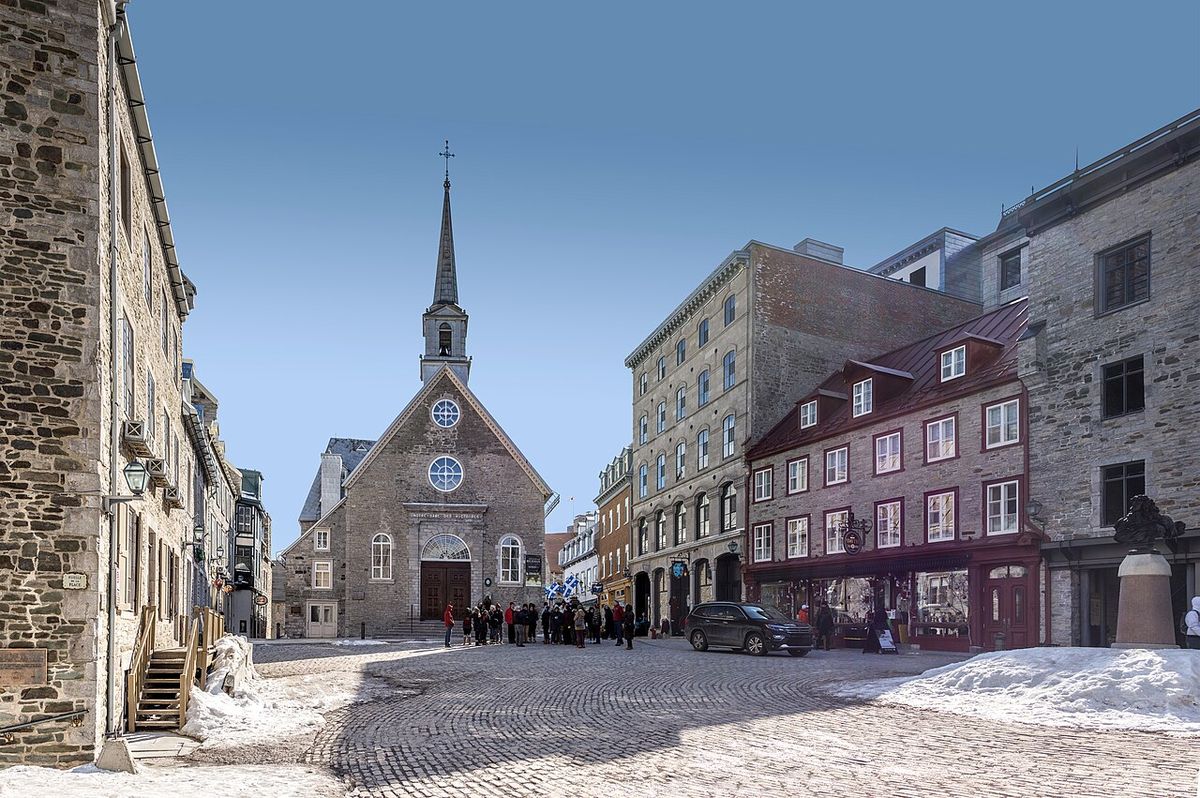
Old Quebec is geographically defined by the Cap Diamant promontory and the surrounding rivers, creating its distinctive two-level layout. The district is bounded by the Saint Lawrence River to the south and the Saint Charles River to the north, with the fortified walls encircling the core of the historic area. The neighbourhood is administratively part of the Vieux-Québec-Cap-Blanc-colline Parlementaire district within the larger borough of La Cité-Limoilou. The area is commonly divided into the Upper Town, situated atop the cliffs of Cap Diamant, and the Lower Town, located at the base along the St. Lawrence River. This dramatic topography has shaped the city's development, military strategy, and urban character for centuries. The protected historic perimeter includes not only the fortified enceinte but also surrounding areas that contribute to the district's overall historical integrity and visual setting.
Upper Town (Haute-Ville)
The Upper Town, perched on the heights of Cap Diamant, has served as the military and administrative heart of Quebec City since its founding. Samuel de Champlain selected this strategic location for Fort Saint Louis in 1608, and it remained a centre of power after the British Conquest, primarily occupied by government officials and Catholic clergy. The area's growth was historically constrained by military use, and its fortifications faced threats of demolition in the late 19th century before preservation efforts, notably championed by Lord Dufferin, secured their future. Today, the Upper Town is characterized by its 17th to 19th century architecture, active commercial streets, and significant public institutions.
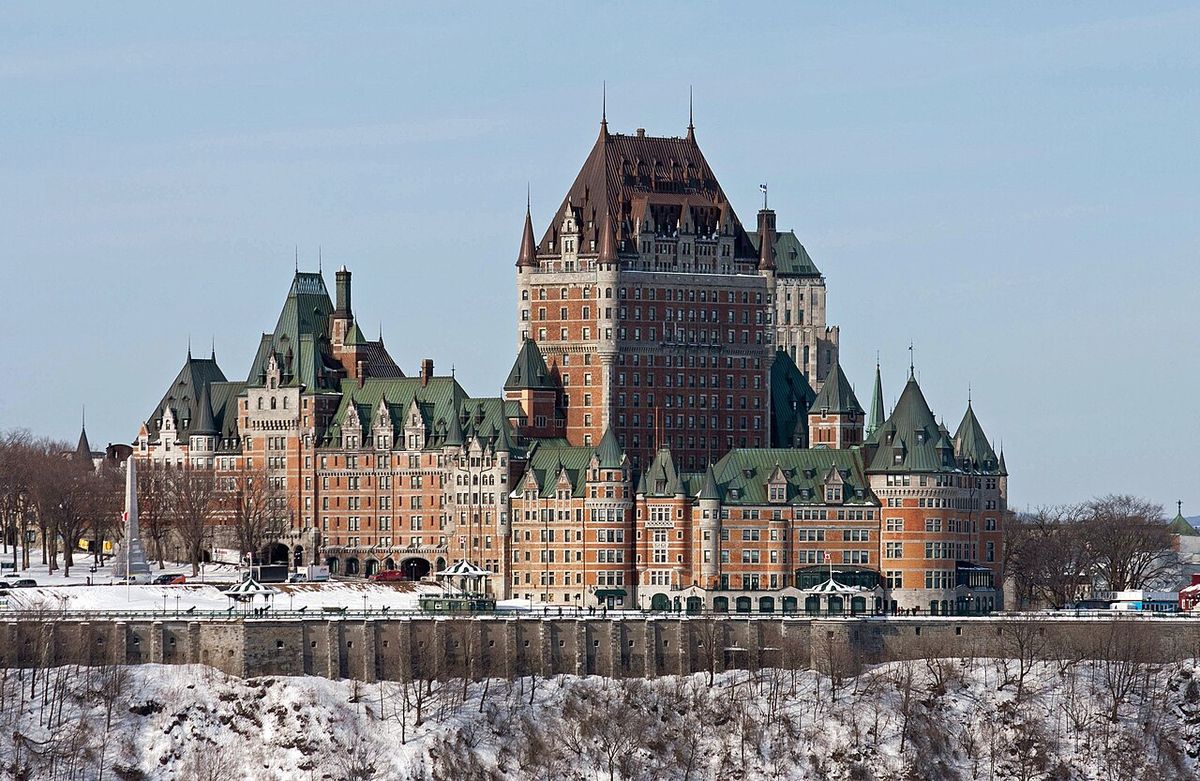
Key landmarks and streets define the visitor experience in the Upper Town. The well-known Fairmont Le Château Frontenac hotel dominates the skyline, while the adjacent Dufferin Terrace offers panoramic views of the St. Lawrence River. Major commercial arteries include Rue Saint Jean, Rue Sainte Anne, and Rue De Buade, lined with shops, restaurants, and cafes. Significant public buildings and institutions located here include the Quebec City Hall (Hôtel de Ville), the historic Séminaire de Québec, the Ursulines Convent, and the Augustinian Monastery with the Hôtel-Dieu de Québec hospital. The area also contains several notable green spaces, including Parc de l'Esplanade, Parc de l'Artillerie, Parc des Gouverneurs, and Parc Montmorency, as well as the grounds of City Hall.
Notable Upper Town Attractions:- Fairmont Le Château Frontenac (landmark hotel)
- Dufferin Terrace (promenade with river views)
- Quebec City Hall (Hôtel de Ville)
- The Citadelle of Quebec (active military fort)
- Notre-Dame de Québec Basilica-Cathedral
- Rue Saint Jean (main commercial street)
- Parc des Gouverneurs (public park)
- The Fortifications of Quebec National Historic Site
Lower Town (Basse-Ville) and Old Port
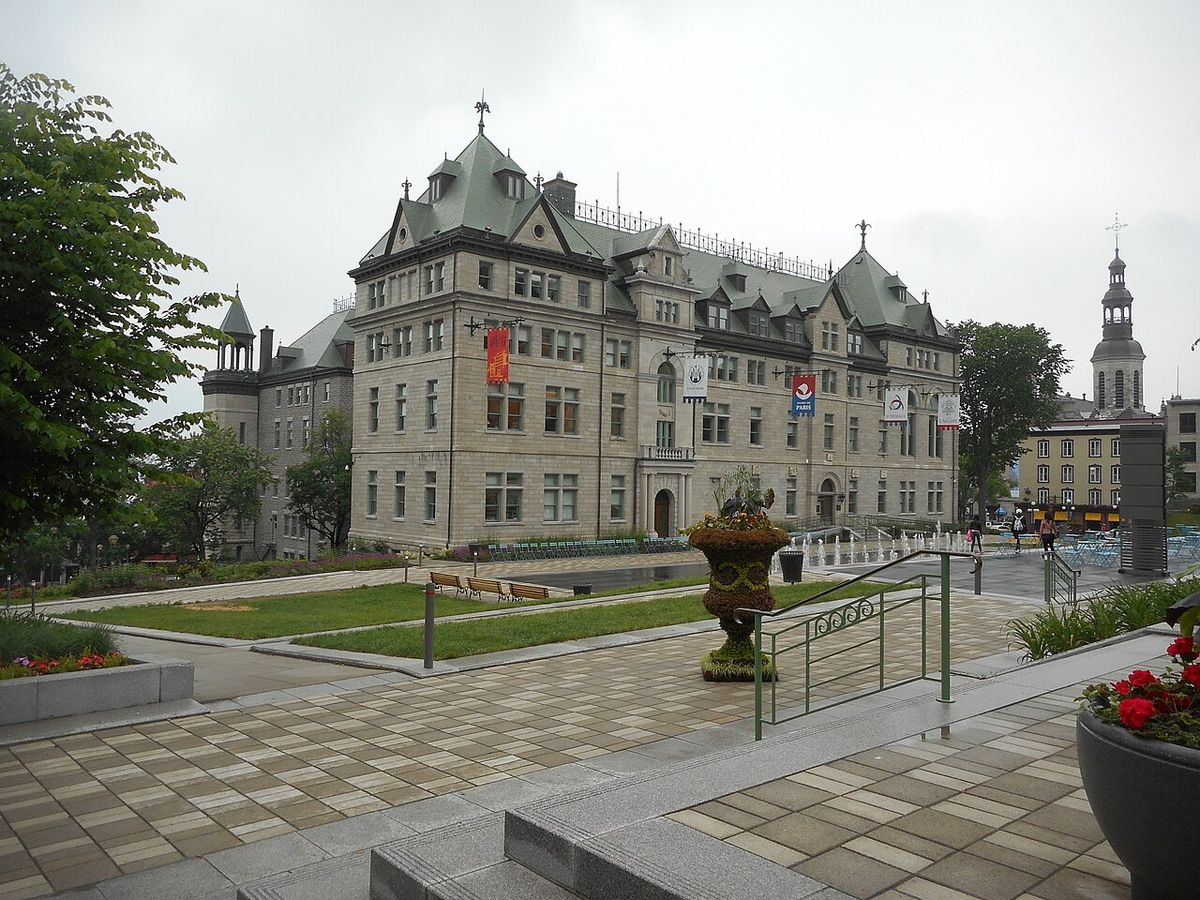
The Lower Town, located at the foot of Cap Diamant, is the oldest part of Quebec City and the site of Champlain's original 1608 habitation. It was historically the home of French and English merchants and artisans, contrasting with the officialdom of the Upper Town. The Lower Town and the adjacent Old Port area are now hubs of culture, shopping, and dining, known for their narrow, cobblestone lanes and European-style architecture. This area provides a direct connection to the city's maritime history along the St. Lawrence River.
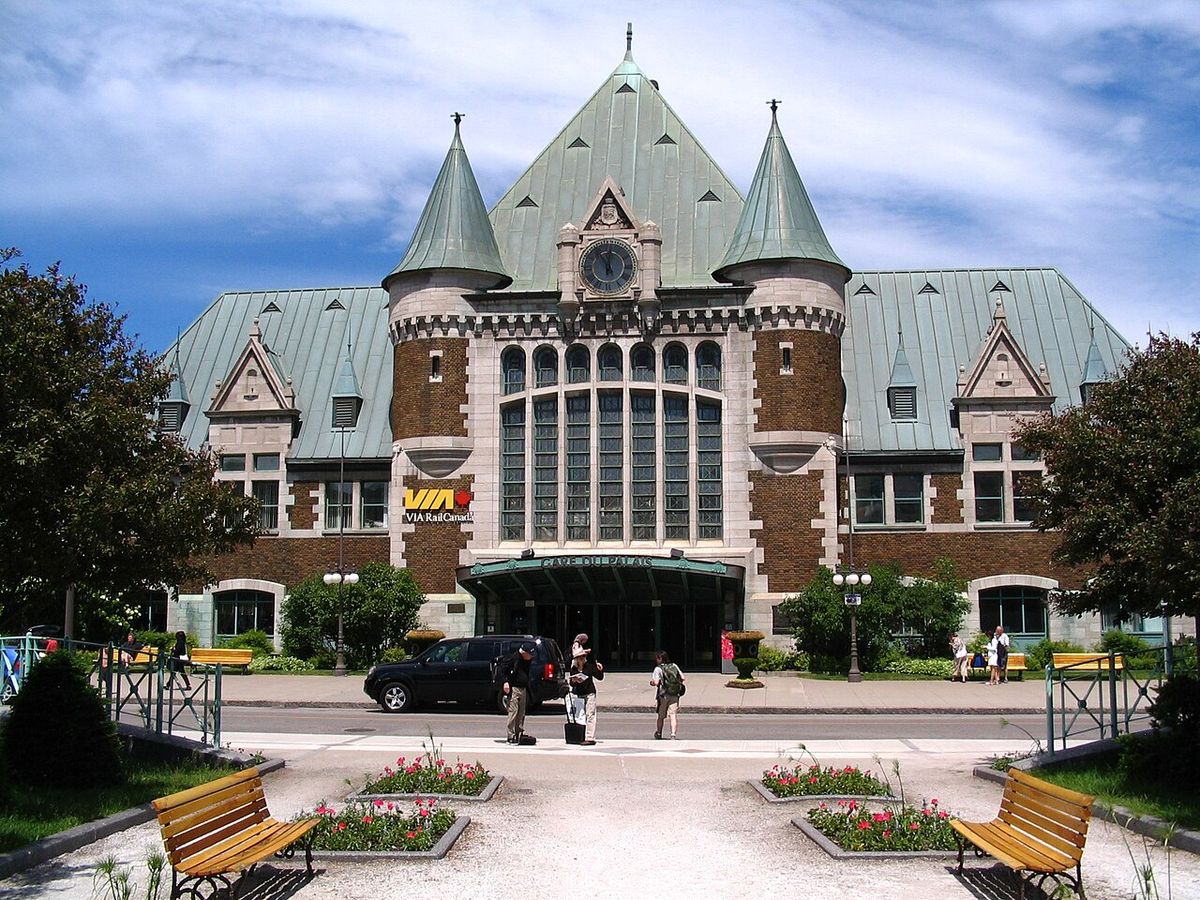
Culturally, the Lower Town is rich with museums and performance venues. Key institutions include the Musée de la civilisation, the Musée naval de Québec, the historic caserne Dalhousie, and the Théâtre Petit Champlain. The spiritual heart of the district is the Church of Notre-Dame-des-Victoires on Place Royale, whose construction began in 1687 and was completed in 1723. The Old Port area offers views of the Louise Basin and Brown Basin, and features landmarks like La Pointe-à-Carcy, the Gare du Palais train station, and the Marche du Vieux-Port public market. Historic streets such as Rue du Petit-Champlain, Rue Saint-Pierre, Rue Saint-Paul, and Rue Sault-au-Matelot are known for their boutiques, galleries, and restaurants. Rue Saint-Vallier Est, originally called Saint-Charles Street, is notable as the first paved road in Quebec.
Transportation and Access
Moving around the historic district involves a mix of modern transit and traditional means, accommodating its steep terrain and preserved streetscape. The primary intercity rail and bus gateway is the Gare du Palais station, opened in 1915 by the Canadian Pacific Railway. Designed in the châteauesque style similar to the Château Frontenac, it is served by Via Rail trains to Montreal via Drummondville and by the private coach company Orléans Express. For air travel, Jean Lesage International Airport is located approximately 16 kilometres east of Old Quebec. Within the district itself, the most common modes of transport are on foot, reflecting the area's pedestrian-friendly scale.
The elevation change between the Upper and Lower Towns is addressed by several distinctive options. The Old Quebec Funicular provides a quick and scenic connection, running from the narrow Rue du Petit-Champlain at the base of the cape to the Dufferin Terrace near the Château Frontenac. For those preferring to walk, the Breakneck Stairs (L'Escalier Casse-Cou) offer a direct but steep pedestrian route. The Côte de la Montagne road presents another winding path for both vehicles and walkers moving between the two levels. The compact, walkable nature of the district, with its uneven cobblestone streets, makes exploring on foot the most immersive way to experience its historic character.
Tourism and Cultural Experience
Old Quebec is one of Canada's premier tourist destinations, attracting visitors with its strong European ambiance and deep historical roots. The area functions as a lively open-air museum where over 400 years of history are woven into the fabric of daily life, from the stone buildings and copper roofs to the French-inspired facades. Tourism is a major economic driver, supported by a dense concentration of hotels, inns, restaurants, and specialty shops catering to both domestic and international travellers. A stay in Quebec City is considered incomplete without exploring the district's fortified walls, historic sites, and unique neighbourhoods, which together create a memorable journey through architectural treasures distinct in North America.
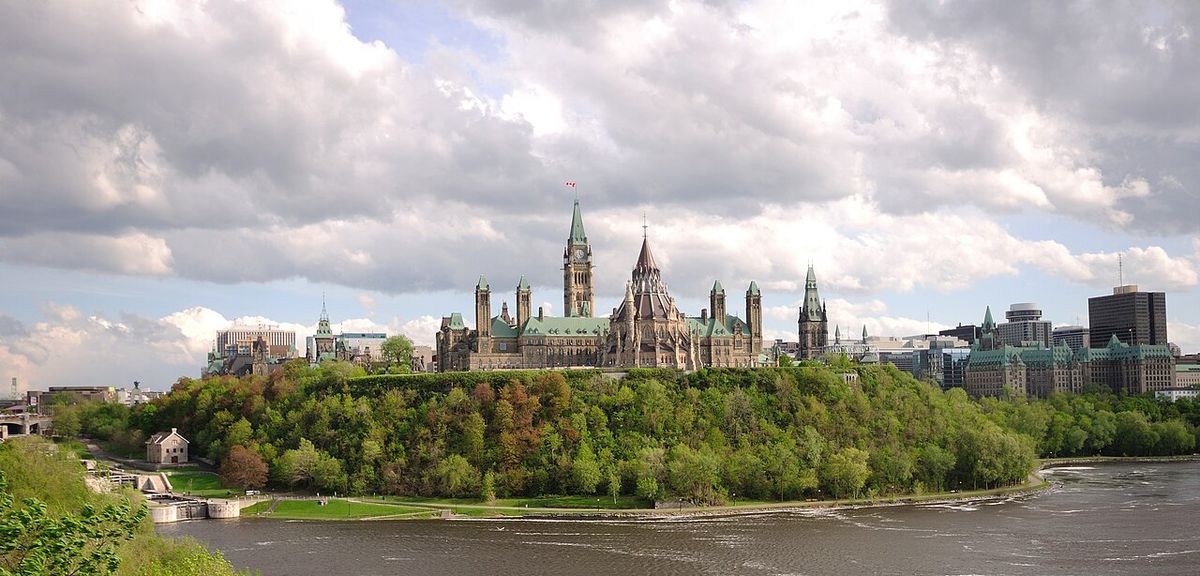
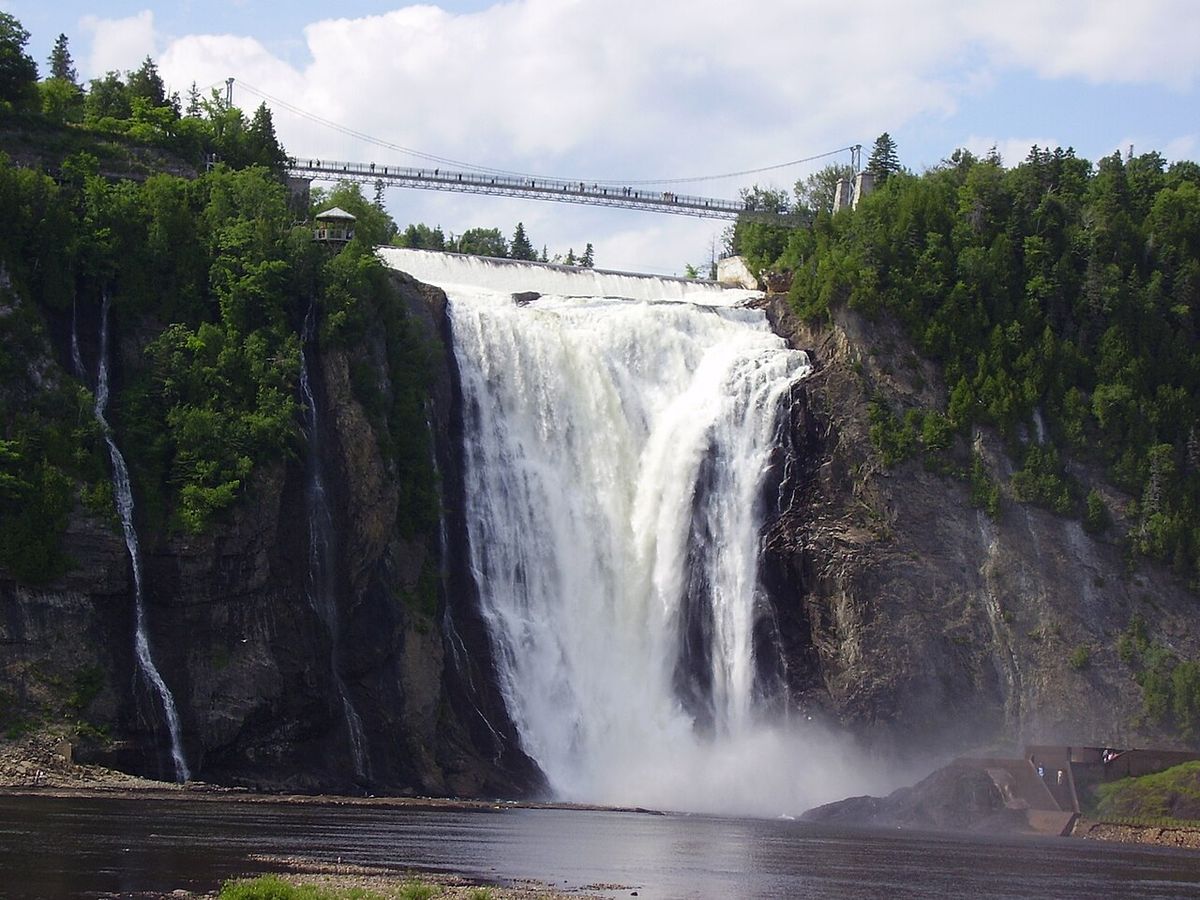
The visitor experience is often structured around key areas and activities. Guided walking tours are highly recommended to fully appreciate the rich history, with popular options including two-hour grand tours of the old city. Must-see attractions consistently include the Château Frontenac, the Citadelle, the Plains of Abraham (Battlefields Park), and the Montmorency Falls Park just outside the walls. The Petit-Champlain district is recognized as one of the oldest shopping streets in North America, offering a fairytale-like setting of cobblestones and boutiques. The Old Port area provides a perfect day of antiquing, gallery visits, and dining, while Parliament Hill, dominated by the Parliament Building, has a distinct style and elegance with access to the Grande Allée. The district is not merely a tourist enclave but also an active residential community, adding to its authentic and lively atmosphere year-round.
Architectural and Urban Character
The architectural unity of Old Quebec is a fundamental element of its World Heritage status, presenting a remarkably intact collection of buildings spanning the 17th, 18th, and 19th centuries. The district's built form is a direct reflection of its colonial history, military function, and European origins. The most dominant feature is the complete ring of fortifications, including walls, gates, and bastions, which uniquely survive in North America. This defensive ensemble creates a clear boundary between the historic city and later urban development, preserving the district's scale and character. The consistent use of local stone, steep copper roofs, and wrought-iron details creates a cohesive streetscape that feels distinctly European yet rooted in its Canadian context.
Building styles and urban patterns vary between the Upper and Lower Towns, telling the story of social and functional stratification. The Upper Town features larger institutional buildings, grand homes, and public squares that speak to its administrative and military role. In contrast, the Lower Town exhibits a denser, more intimate urban grain with narrower streets and smaller buildings that housed the merchant and artisan classes. Key architectural treasures include the châteauesque style of the Château Frontenac and Gare du Palais, the classical revival of the Parliament Building, and the simple stone dwellings of Place Royale. This harmonious blend of styles, all set within the ancient fortifications, provides a strong visual record of colonial urbanism and is the primary reason for the district's enduring appeal and historical significance.
Questions about Old Quebec
Why is Old Quebec a UNESCO World Heritage Site?
The Historic District of Old Quebec was declared a UNESCO World Heritage Site on December 3, 1985. It is recognized as the most complete surviving example of a fortified colonial town north of Mexico. The site preserves an intact ensemble of fortifications and architecture representing over 400 years of history. It is the birthplace of French North America and retains its full ring of defensive walls, bastions, and gates.
What is the difference between Upper Town and Lower Town?
Upper Town (Haute-Ville) is situated atop the Cap Diamant promontory and was historically the military, administrative, and religious centre, home to government officials and clergy. It contains landmarks like the Château Frontenac, the Citadelle, and Dufferin Terrace. Lower Town (Basse-Ville) is located at the base of the cliff along the St. Lawrence River and was the commercial and artisan district, centred around Place Royale. It features narrower, cobblestone streets like Petit-Champlain and is known for its shops and restaurants. The two levels are connected by the funicular, the Breakneck Stairs, and Côte de la Montagne.
When was Old Quebec founded?
Old Quebec was founded in 1608 by French explorer Samuel de Champlain, who established a permanent settlement and Fort Saint Louis on the site. This founding made Quebec City the capital of New France and marked the birthplace of French civilization in North America. The original habitation was built in what is now the Lower Town, near Place Royale. The Upper Town was developed shortly thereafter on the strategic heights of Cap Diamant, establishing the two-level urban structure that defines the historic district to this day.
How do I get from Lower Town to Upper Town?
There are several ways to travel between Lower Town and Upper Town. The Old Quebec Funicular provides a quick, scenic ride connecting Rue du Petit-Champlain to the Dufferin Terrace near the Château Frontenac. Pedestrians can use the historic Breakneck Stairs (L'Escalier Casse-Cou) for a direct but steep climb. The Côte de la Montagne road is a winding route accessible to both vehicles and walkers. Many visitors also choose to explore on foot using the various sloping streets and pathways that link the two levels, which is the best way to appreciate the district's intimate scale and historic character.
What are the must-see attractions in Old Quebec?
Essential attractions within Old Quebec include the Fairmont Le Château Frontenac hotel, the fortified Citadelle, and the promenade at Dufferin Terrace with its panoramic river views. The historic fortifications themselves, including the walls and gates, are a major site. In Lower Town, Place Royale and the Church of Notre-Dame-des-Victoires are central, along with the charming Rue du Petit-Champlain shopping street. Other key sites are the Plains of Abraham (Battlefields Park), the Quebec Parliament Building on Parliament Hill, and the Musée de la civilisation. A walking tour is highly recommended to connect these sites and understand their historical context.
How large is the Old Quebec historic district?
The Historic District of Old Quebec covers a total area of 1.42 square kilometres, which is approximately 135 hectares (330 acres). This protected area was established by the Province of Quebec on July 10, 1963, and its final perimeter was set on May 7, 1964. Within this area are roughly 1,400 historic buildings, encompassing the entire fortified Upper Town on Cap Diamant and a strip of Lower Town between the Saint Lawrence and Saint Charles Rivers. It is a compact, walkable district where the majority of sights are within easy reach of each other, making it ideal for exploration on foot.
Sources and further reading
- Old Quebec (Wikipedia)
- Explore Old Québec City (quebec-cite.com)
- Old Quebec Tickets [2026] - Promos, Prices, Reviews & ... (bh.trip.com)
Checked by the Novello Desserts desk. Last updated 2026-10-30.